
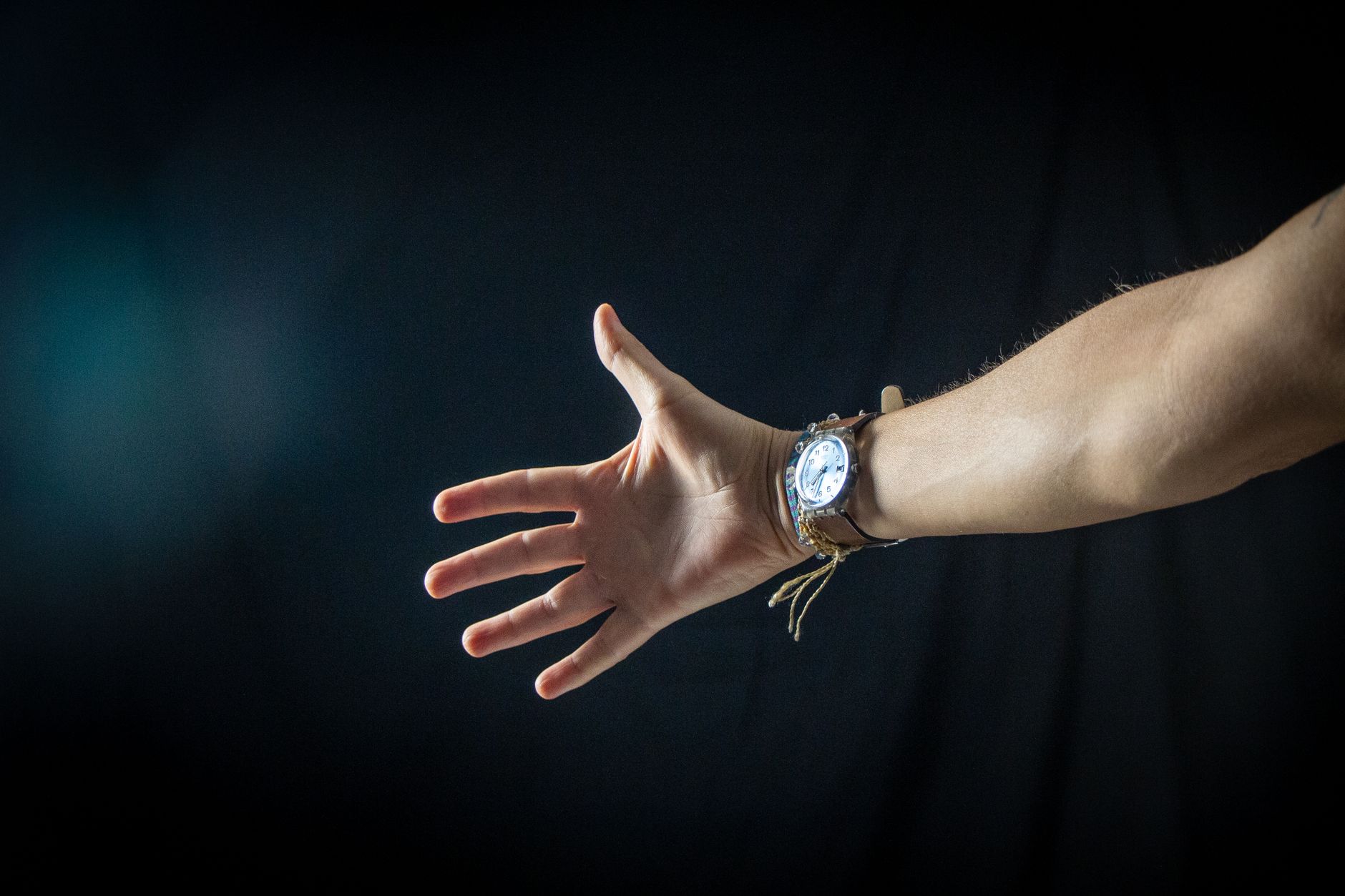
Choosing the right hand to wear a watch on is more than just a matter of personal preference; it involves practical considerations regarding comfort, style, and occasion. While tradition suggests that the left hand is the most common choice, many factors might influence your decision. This guide will help you navigate the ins and outs of wristwatch placement, ensuring that you make an informed decision that reflects your style and functional needs.
In this comprehensive piece, we’ll explore the cultural significance of where to wear a watch, how different types of watches complement various outfits, and even offer tips on styling them for different occasions. Whether you’re looking for something classic for work or a bold statement piece for a social event, knowing how to style your watch will elevate your overall look.
What Hand Should You Wear A Watch On?
The most common tradition is to wear your watch on the left wrist. This practice is primarily due to the fact that most people are right-handed, making it easy to put on and adjust the watch with the dominant hand. However, wearing the watch on the right hand is also a valid and stylish choice, especially for left-handed individuals or anyone looking to break away from norms. Ultimately, the decision comes down to comfort, functionality, and personal style preference.
The Case for Wearing a Watch on the Left Hand
The left wrist has long been considered the standard for watch-wearers, and several reasons contribute to this tradition:
- Convenience: When wearing a watch on the left hand, right-handed individuals find it easier to wind, adjust, and check the time quickly.
- Protection: Wearing a watch on the less dominant hand can result in less wear and tear from daily activities, reducing the likelihood of scratches and damage.
- Visibility: For most people, the left wrist is easier to glance at without having to consciously twist the body, making time-checking more efficient.
The Case for Wearing a Watch on the Right Hand
Though less common, wearing a watch on the right wrist has its merits:
- Left-Handed Preference: Left-handed individuals may find comfort in wearing their watches on their dominant wrist, where they can easily access the watch without the hassle of using their non-dominant hand.
- Style Statement: Opting for a right-hand placement can create a unique fashion statement, particularly for those who enjoy standing out or embracing non-traditional styles.
- Less Obstructive: For individuals who frequently engage in activities that require the use of their right hand (like writing or crafting), wearing a watch on the right can prevent the watch from getting in the way.
Factors Influencing Your Choice
When deciding which wrist to wear your watch on, consider the following elements:
1. Dominant Hand
Your dominant hand often determines comfort and ease of access. If you’re right-handed, you may prefer the left wrist, while left-handed individuals often opt for the right wrist.
2. Watch Type
The kind of watch you choose can also affect placement. For instance:
- Casual Wear: Sporty or casual watches look great on either wrist, but wearing them on the dominant wrist can allow easier access during activities like exercise.
- Formal Wear: A classic dress watch traditionally looks best on the left wrist due to the conventional approach to dress codes.
- Smartwatches: Many users prefer placing smartwatches on the non-dominant side for easier notifications and access. However, style elements can allow for flexibility.
3. Wardrobe Style
Your personal wardrobe style plays a key role in how a watch can complement your outfit:
- Minimalist Wardrobe: A simple, elegant watch placed on the left hand can enhance a clean aesthetic, keeping focus on streamlined silhouettes.
- Layered Styles: When layering with bracelets or bangles, placing the watch on the opposite wrist can create an asymmetric look that adds visual interest.
- Statement Pieces: If your watch is a statement piece, consider wearing it on the wrist that is more visible amid your outfits.
Styling Your Watch for Different Occasions
No matter which wrist you choose for your watch, understanding how to style it according to different occasions will take your outfit to the next level. Here’s a guide:
Work Wear
In a professional environment, a timeless and sophisticated timepiece is the way to go:
- For Men: A leather-strapped watch in black or brown complements tailored suits, whereas a silver metal watch adds sophistication. Wear it on your left wrist for easy access.
- For Women: A slim, elegant watch with a minimalist design suits business attire well. Pair it with a sheath dress or a blouse and tailored pants for balance.
Casual Wear
When it comes to casual outfits, your watch should be more relaxed:
- For Men: Opt for a sporty watch or a fabric strap watch to pair with jeans and a simple t-shirt. Wearing it on the dominant wrist makes sense for practicality.
- For Women: Choose a playful watch, perhaps one with color or fun designs, to enhance a relaxed outfit like cotton shorts and an oversized tee.
Formal Events
At formal gatherings, the watch becomes a piece of jewelry:
- For Men: A classic stainless steel or gold watch can complement formal attire well, suited to events like weddings or black-tie functions.
- For Women: Stylish metallic or embellished watches pair beautifully with evening gowns, enhancing the overall elegance of your attire.
Occasional Dressing
Choosing the right watch can play a significant role in event attire:
- Festivals: A bright, trendy smartwatch can blend functionality with style. Pair it with casual summer outfits for a fun look.
- Seasonal Celebrations: During holidays, consider wearing a themed watch to embrace the festive spirit without compromising your style.
Layering Watches with Other Accessories
Layering your watch with other accessories can create a cohesive look or an impactful statement. Here are some ways to approach it:
Pairing with Bracelets
Combining your watch with bracelets can enhance your personal style:
- Mix Materials: Pair a leather watch strap with metal bracelets for an interesting contrast.
- Color Coordination: Match the metals in your jewelry with your watch. Gold watches shine alongside gold bracelets, while silver watches work best with silver or leather accents.
Combining with Other Accessories
Your watch can take center stage or accentuate other accessories such as:
- Rings: Wearing rings on the opposite hand from your watch can create a balanced look, ensuring that neither accessory competes for attention.
- Belts and Bags: Color-coordinated belts and bags that match your watch create a unified look.
Understanding Watch Fit and Comfort
Regardless of which hand you choose to wear your watch on, comfort and fit are crucial. Here are some tips for ensuring your watch fits well:
Check the Watch Size
The size of the watch face and strap should be proportionate to your wrist. A watch face that is too large can look overwhelming, whereas one that is too small may seem lost.
Adjust the Strap
Whether you have a metal bracelet or leather band, ensure that the strap has been adjusted properly. It should fit snugly without slipping around or causing pinching or discomfort.
Consider Movability
When you move your wrist, the watch should ride comfortably without being overly tight or loose. An ideal watch will allow for a small amount of movement while remaining secure.
Care Tips for Your Watch
Taking care of your watch ensures that it remains in excellent condition:
- Regular Cleaning: Use a soft cloth to gently wipe your watch against dirt and grime. For metal straps, consider using a soft brush for hard-to-reach areas.
- Remove During Activities: Take off your watch during strenuous activities or when swimming (if it’s not waterproof) to avoid damaging it.
- Battery Care: For quartz watches, periodic battery replacements are necessary. Don’t let the battery die out completely as this may hinder timekeeping accuracy.
A Brief History of Watches and Their Placement
To understand the cultural context behind wearing a watch on a specific wrist, it’s helpful to know a bit of history:
- Early Timepieces: Pocket watches were the norm in the 19th century; as wristwatches gained popularity in the early 20th century, they too were primarily worn on the left wrist due to right-handed practicality.
- Style Evolution: Over the decades, watches have evolved not only in technology – from mechanical to smart – but also in the way they complement fashion. Today, a watch serves as both a practical item and a fashion accessory.
Making Your Watch Your Own
Ultimately, how you choose to wear your watch is a matter of personal expression. Embracing your unique style can lead to incredible fashion outcomes. Here are some final thoughts to inspire you:
- Personality: Let your watch reflect who you are. Choose styles that resonate with your personal aesthetic, whether classic, contemporary, or avant-garde.
- Experimentation: Don’t be afraid to switch things up. Try wearing your watch on the other wrist occasionally or experiment with layering to discover new styles.
Wearing a watch can be much more than keeping time; it’s an opportunity to express your individuality and complete your look. Whether you prefer practicality or style, understanding the nuances of wrist placement allows you to share a piece of your identity with the world while remaining fashionable and functional.
Take a moment to assess your wardrobe and your wrist. Now that you have a better understanding of what hand to wear a watch on and how to style it, explore the potential of your outfit combinations. Try matching your watch to your clothing colors, and incorporate bold styles or understated elegance into your looks. If you’re looking for more inspiration, feel free to dive into related guides on the site for outfit ideas and styling tips.
For more related outfit ideas and styling tips, check out what hand do you wear a watch on and what hand does a watch go on.