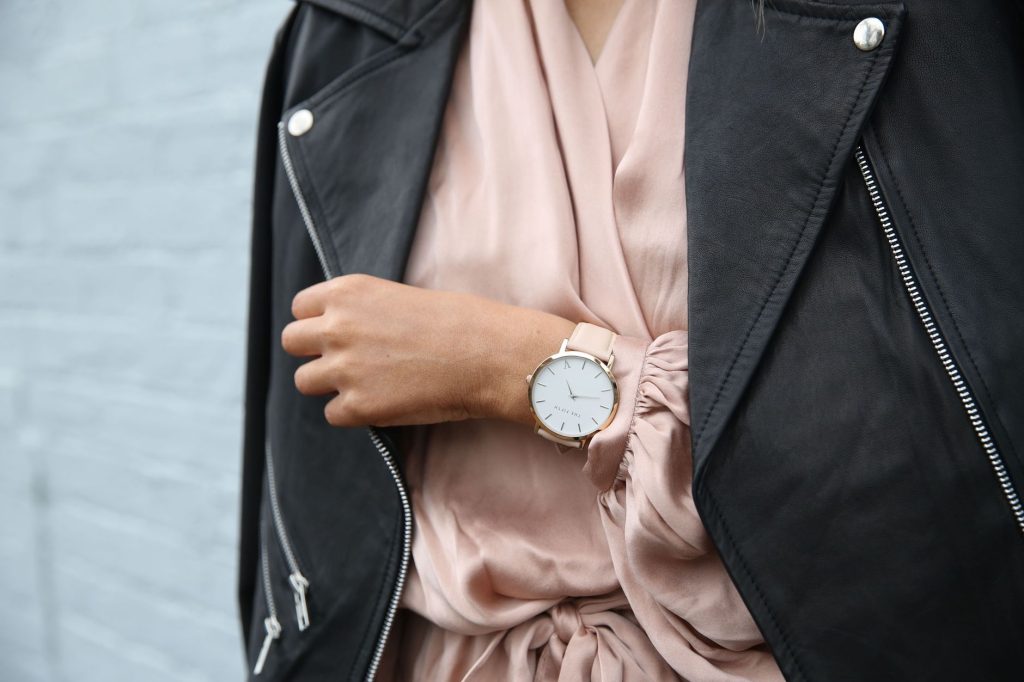
Choosing which wrist to wear your watch on can feel like a small detail, but it’s an important aspect of personal style and functionality. Whether you’re sporting a casual timepiece or an elegant wristwatch, the wrist you select can complement your outfit and reflect your personality.
Below, we explore the factors influencing this decision, including comfort, style, and practicality, while providing tips for incorporating watches into your overall look.
Which Wrist To Wear Watch?
Ultimately, the choice between your left or right wrist depends on comfort, functionality, and personal preference. Wearing a watch on the non-dominant wrist (for most right-handed individuals, that means the left wrist) is common as it reduces wear and tear and allows easier access when writing or performing tasks.
However, there are no hard rules, and many individuals choose to wear their watch on the wrist that feels most comfortable. Below we dive deeper into considerations and styling tips for both wrists.
Consider Your Dominant Hand
Your dominant hand plays a significant role in deciding which wrist to wear your watch on. Right-handed individuals often wear watches on the left wrist, while left-handed individuals might choose the right wrist.
Here are a few reasons for this common practice:
- Comfort: Wearing a watch on your non-dominant wrist minimizes interference while you engage in daily activities.
- Wear and Tear: Protecting your watch from damage is easier when it is placed on the wrist that is used less frequently.
- Visibility: For right-handed individuals, it might be easier to check the time with a watch on the left wrist since you can easily glance at it while performing tasks.
Wrist Size and Watch Size
The relationship between your wrist size and the size of the watch can drastically affect how the watch looks when worn. Here are some tips for finding the right fit:
- Measure your wrist circumference to determine what watch size looks best. A larger wrist can usually support a larger watch face.
- A smaller wrist may look better with a minimal-style watch or a watch that is not overly bulky.
- Experiment with different placements: Don’t hesitate to adjust positioning on either wrist to see what feels most comfortable and flattering.
Watch Styles and Their Placement
Different styles of watches can also influence which wrist you might choose. Here, we break down common watch styles and their ideal placements:
Casual Watches
Casual watches come in various styles, from sporty to minimalist. They are typically versatile and can be worn on either wrist without feeling out of place. If you have a go-to casual watch, follow these recommendations:
- For a classic look, wear casual leather straps on your non-dominant wrist.
- Sports watches are often bulkier. Position them on the wrist that gives you more flexibility while exercising.
Dress Watches
Formal and dress watches often come with sleek designs, thin profiles, and metal bracelets. These watches are typically worn for events or professional settings.
- Wearing a dress watch on the non-dominant wrist can enhance its elegance while keeping your dominant hand free.
- Always ensure the watch is fitted correctly to your wrist for a polished look, avoiding excessive movement.
Smartwatches
Smartwatches are increasingly popular, offering functionality along with traditional timekeeping. Their design often accommodates active lifestyles.
- Smartwatches may be more comfortable on the wrist you use most often, allowing for quick access to notifications and apps.
- Consider the band style: sport bands may be more forgiving on either wrist, while leather or metal bands can be suited to more formal settings.
Accessorizing With Watches
Watches are an excellent accessory that can elevate your outfit. Here we detail how to style watches with various outfits.
Watches with Casual Outfits
In casual settings, watches can act as a focal point or complementary accessory. Here’s how to style them effectively:
- Pair a casual watch with denim and a basic tee for a relaxed weekend look.
- Incorporate layer styles, such as jackets, to draw attention to your wrist and watch.
- Mix textures to add dimension, such as pairing a leather strap watch with a knit sweater.
Watches with Professional Attire
A watch can subtly reinforce your style when dressing for work. Keep the following tips in mind:
- Opt for a dress or minimalist timepiece that complements your work attire.
- Pair watches with smart-casual looks, like blazers or tailored pants, while maintaining a coherent color palette.
- When attending formal events, match your watch’s metal tone (gold or silver) with your belt or shoes for a cohesive appearance.
Watches with Evening Attire
A well-chosen watch can complement evening looks beautifully. Consider these tips when accessorizing:
- Choose a timepiece with embellishments or a unique design to add flair to your outfit.
- Combine a leather strap with a chic dress for formal occasions, ensuring the watch adds to your overall elegance.
Seasonal Considerations
Seasonal changes can influence how and where you choose to wear your watch. Understanding these factors can enhance your overall style.
Spring and Summer
Warmer weather often calls for lighter clothing, allowing your watch to shine. Here’s how to approach watch-wearing in summer:
- Opt for lightweight straps, such as fabric or rubber, that are comfortable in the heat.
- Refresh your look with bright colors or patterns that may complement your watch.
Fall and Winter
The cooler months allow for layering and a different approach to watch styling:
- Layering clothing can create an opportunity to showcase oversized timepieces that catch the eye.
- Select darker, richer watch hues that align with autumn or winter palettes—think deep browns, blacks, or metallic options.
Choosing the Right Fit and Care for Your Watch
How a watch fits on your wrist is critical. An ill-fitting watch can be uncomfortable and distract from your overall look. Here’s how to ensure a perfect fit:
- Wrist watches should sit comfortably on your wrist without sliding too far up or down. It should feel secure but not tight.
- Consider adjusting the band or strap to suit your wrist size, ensuring it does not pinch or leave marks.
In terms of care, here are essential points to keep in mind:
- Regularly clean your watch according to the manufacturer’s instructions to keep it in good condition.
- If your watch is water-resistant, check seals routinely to prevent moisture damage.
Shopping Considerations for Watches
When it’s time to shop for a watch, certain factors should guide your decision:
- Style: Determine the aesthetic you want and how it will fit into your wardrobe.
- Functionality: Assess your needs, such as water resistance, smart features, or movement type (automatic vs. quartz).
- Budget: Set a realistic budget that doesn’t compromise on style and quality.
By keeping these aspects in focus, you can find a watch that complements your personal style and lifestyle.
Fashion Trends and Watch Styles
As fashion evolves, watch trends emerge that reflect current styles. Here are some trends to consider:
- Bold Dial Colors: Vibrant colors bring life to a traditional accessory.
- Mixing Materials: Combining different materials, like leather with metal, creates a fashionable contrast.
- Vintage Styles: Retro designs are making a comeback, providing unique, timeless appeal.
Common Mistakes to Avoid
Wearing a watch can enhance your outfit, but some common missteps can undermine its impact. Here are mistakes to avoid:
- Wearing an oversized watch on a smaller wrist, which can overpower your look.
- Matching too closely your watch and outfit colors, rather than complementing them.
- Neglecting to check your watch’s fit and comfort, resulting in distraction or discomfort.
Final Thoughts
Deciding which wrist to wear your watch is more than a matter of habit; it becomes an integral part of your personal style. Experiment with options and apply the suggestions in this article to find the right balance between comfort and style.
Take the time to explore how your watch can fit into different outfits, align with seasonal changes, and elevate your look, regardless of occasion. With thoughtful consideration, your watch can be a reflection of you, enhancing your wardrobe effortlessly.
For further insights, explore these related fashion guides and styling articles: What Hand to Wear Watch, Is Titan Fashion Watch?.