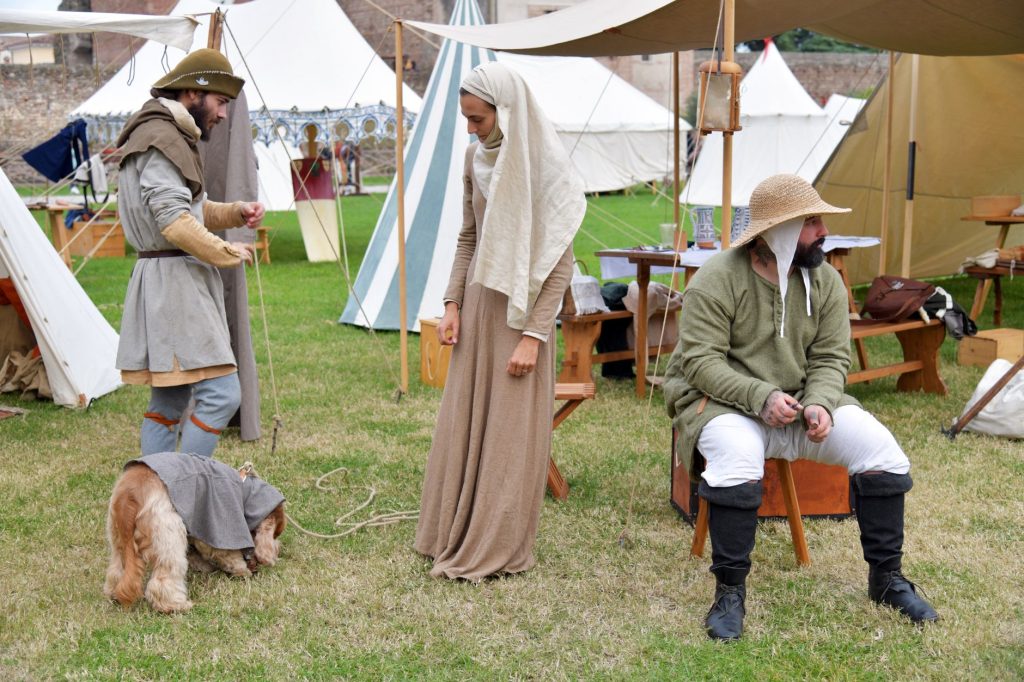
Attending a Renaissance fair is an enchanting experience that allows you to step back in time and immerse yourself in a vibrant world of history, art, and culture. Choosing the right outfit not only enhances your enjoyment but also lets you partake in the festive atmosphere. With a variety of styles and aesthetics to choose from, understanding what to wear can elevate your experience.
This comprehensive guide will take you through outfit ideas, styling advice, and essential considerations to help you dress appropriately for a Renaissance fair, while also ensuring comfort and personal expression.
What To Wear To A Renaissance Fair?
The attire for a Renaissance fair typically includes historically inspired garments that reflect the fashions of the period, including flowing dresses, tunics, and accessories that add flair. The best options balance historical accuracy with modern comfort.
Exploring the Styles of the Renaissance Era
The Renaissance era spanned roughly from the 14th to the 17th century, marked by a revival of classical art and culture. The clothing styles of this time were characterized by opulence and intricate details.
Women’s Attire
- Long Gowns: Flowing gowns in rich fabrics such as velvet or brocade are iconic. Look for styles with fitted bodices and flared skirts, often adorned with lace or embroidery.
- Layering: Including overdresses or bodices layered over a chemise creates depth and authenticity.
- Accessories: Complete your look with accessories such as ornate belts, brooches, or period jewelry. Corsets can also add a historical touch and provide structure.
Men’s Attire
- Tunics and Breeches: A tunic paired with knee-length breeches serves as a classic ensemble. Choose tunics with embellishments or patterns for increased character.
- Shirts: Loose-fitting linen or cotton shirts underneath add comfort and an authentic feel.
- Footwear: Leather boots or sandals align with the era while maintaining practicality.
Seasonal Considerations
Renaissance fairs can be held during different seasons, which means your outfit should adapt to the climate.
Spring and Summer Fairs
- Light Fabrics: Opt for breathable materials like cotton or linen to stay cool.
- Flowy Silhouettes: Choose dresses or tunics with loose fits that allow for airflow.
- Sun Protection: Consider wearing a wide-brimmed hat or a shawl to shield from the sun.
Autumn and Winter Fairs
- Layering: Embrace layers with thermal undergarments, cloaks, and heavier fabrics such as wool.
- Warm Accessories: Scarves, gloves, and even fur accents will keep you cozy while still looking stylish.
- Footwear: Waterproof boots can be a practical choice during wetter months.
Casual Versus Refined Looks
Depending on the level of formality at the Renaissance fair you’re attending, you can choose between casual and refined styles.
Casual Looks
- Simple Dresses or Tunics: A relaxed-fitting dress adorned with a flower crown can create a whimsical vibe.
- Mix-and-Match: Combine skirts with simple tops and add fun accessories for individuality.
- Craft Market Style: Jeans or leggings paired with period-inspired tops make for a comfortable but thematic outfit.
Refined Looks
- Detailed Costumes: Invest in a more elaborate gown or noble attire if you’re aiming for authenticity.
- Quality Fabrics: Use rich colors and elaborate materials to make your outfit stand out.
- Elegant Footwear: Heels or polished boots can lend a regal touch to your appearance.
Capsule Wardrobe for Renaissance Fairs
Creating a capsule wardrobe can simplify your process of dressing for Renaissance fairs. Consider the following essential items for both men and women.
Wardrobe Essentials for Women
- Two to three long gowns in various colors
- One or two period-appropriate tops
- A few layering pieces like a cape or shawl
- Accessories including a flower crown, jewelry, and belts
- Comfortable yet stylish shoes
Wardrobe Essentials for Men
- A couple of tunics in diverse styles
- One pair of classic breeches
- A selection of shirts (long-sleeve or short-sleeve)
- Accessories like hats, belts, and jewelry
- Durable shoes or boots
Color Coordination and Textures
Choosing the right colors and textures can make your Renaissance outfit pop. Here’s how to coordinate effectively.
Color Choices
- Rich and Deep Tones: Jewel colors like emerald, royal blue, ruby, and deep purple can reflect the richness of the era.
- Earthy Hues: For a more rustic look, consider greens, browns, and muted tones.
- Metallic Accents: Gold and silver accents can be incorporated through accessories to enhance the historical feel.
Texture Combinations
Mixing different textures adds depth and visual interest to your outfit.
- Layer Different Fabrics: Combine velvets with silks or lace for a cohesive yet dynamic outfit.
- Consider Patterns: Stripes, florals, or brocade can bring an outfit to life while remaining era-appropriate.
Footwear Choices for Comfort and Style
Your footwear choice is vital as you will likely spend significant time walking, standing, and enjoying the fair.
Women’s Footwear Options
- Flat Boots: Knee-high or ankle-height boots can add to the costume while providing comfort.
- Sandals: Leather sandals with straps give a historical look without sacrificing comfort.
- Flats and Low Heels: Look for stylish flats or low-heeled shoes that enhance your outfit while keeping your feet happy.
Men’s Footwear Options
- Leather Boots: Sturdy but sleek, perfect for completing a tunic or breeches ensemble.
- Sandals: Practical and easy to wear, sandals can also be period-appropriate.
- Low-cut Shoes: Comfortable shoes with laces or buckles offer a polished yet historical finish.
Accessorizing Your Renaissance Fair Ensemble
Accessories are key to achieving a polished Renaissance look. They can also allow you to incorporate personal touches.
Jewelry and Accents
- Brooches: Utilize ornate brooches to attach capes or adorn clothing.
- Rings: Statement rings can evoke wealth and status.
- Period-appropriate Jewelry: Chokers or elaborate pendants that reflect historical designs add authenticity.
Headwear
- Hats: Explore options like tricornes or floppy hats that fit well with period styles.
- Flower Crowns: A beautiful addition, particularly for women, adds a whimsical touch.
- Headscarves: They can be both practical and stylish, offering a nod to historical custom.
Garment Care for Renaissance Attire
Taking care of your Renaissance garments ensures they last for years, making them worthwhile investments.
Washing and Storing
- Read Care Labels: Always adhere to washing instructions from garment labels.
- Gentle Washing: Hand-wash or use a gentle cycle with mild detergent for delicate fabrics.
- Storing: Store items in breathable garment bags to protect them from dust and pests.
Ironing and Maintenance
- Steam Ironing: Use a steam iron on low heat for fabric that needs refreshing.
- Pilling: Remove pills on fabric with a lint shaver or fabric comb.
Shopping for Renaissance Fair Attire
Finding the right garment can be an adventure. Here are tips to make your shopping experience smoother.
Where to Shop
- Specialty Renaissance Shops: These often offer authentic costumes, fabrics, and accessories that fit the theme perfectly.
- Online Marketplaces: Websites like Etsy provide handmade, unique pieces that cater to individual tastes.
- Thrift Shops: Explore thrift and vintage shops for one-of-a-kind finds that can be repurposed creatively.
Budget Considerations
- Set a Budget: Decide on how much you’re willing to spend before shopping.
- Quality over Quantity: Invest in a few high-quality pieces rather than numerous lower-quality ones.
- DIY Options: If you’re crafty, consider making your own costume to save money while expressing your personal style.
A Note on Sustainable Fashion
As we shop for attire, it’s worth considering sustainability by opting for eco-friendly materials and brands.
Sustainable Choices
- Natural Fabrics: Choose garments made from organic cotton, linen, or other non-synthetic materials.
- Secondhand Shopping: This reduces waste while allowing for unique costume finds.
- Supporting Local Artisans: Buy from local designers or small businesses that prioritize sustainable practices.
Final Thoughts
Choosing what to wear to a Renaissance fair involves melding creativity, history, and practicality. By considering historical styles, seasonal needs, and sustainability, you can create an outfit that lets you shine while embracing the spirit of the occasion.
Explore related fashion guides and styling articles for more inspiration on dressing for various occasions, like what kind of dress to wear with cowboy boots and what to wear to a Renaissance fair.