Fashion merchandising is a multifaceted aspect of the fashion industry that blends creativity with business acumen. It encompasses a range of activities that aim to promote and sell clothing, accessories, and beauty products, ensuring that they meet consumer demands. Understanding fashion merchandising is essential for anyone interested in pursuing a career in fashion or simply looking to enhance their personal style.
In the rapidly evolving world of fashion, merchandising plays a crucial role in determining how products are showcased, marketed, and ultimately purchased. This article will delve into the various components of fashion merchandising, explore how it impacts consumer choices, and provide practical insights that readers can apply to their own shopping and styling experiences.
What Is Fashion Merchandising?
Fashion merchandising refers to the process of planning, buying, and selling fashion items to meet consumer demand. It involves understanding market trends, consumer behavior, and retail strategies to create effective marketing campaigns and optimize inventory. Fashion merchandisers work closely with designers and retailers to present collections in a way that resonates with the target market.
This field requires a keen sense for aesthetics, trends, and business strategies. It includes activities such as product selection, pricing strategies, promotion methods, and analysis of sales performance. The goal is to ensure that the right products are available in the right place at the right time.
Key Components of Fashion Merchandising
1. Market Research
Successful fashion merchandising starts with thorough market research. This entails gathering information on consumer preferences, current trends, and retail analytics to inform product selection. Understanding the target market is essential to creating merchandise that appeals to customers.
2. Product Selection
Once market research is conducted, fashion merchandisers decide on the range of products to offer. This can include choosing styles, colors, sizes, and quantities. The goal is to curate a collection that meets consumer needs while also reflecting current trends and brand identity.
3. Pricing Strategies
Setting the right price for fashion items is crucial. Fashion merchandisers must consider production costs, competitor pricing, and consumer willingness to pay. Effective pricing strategies can help maximize profitability while keeping the brand competitive.
4. Visual Merchandising
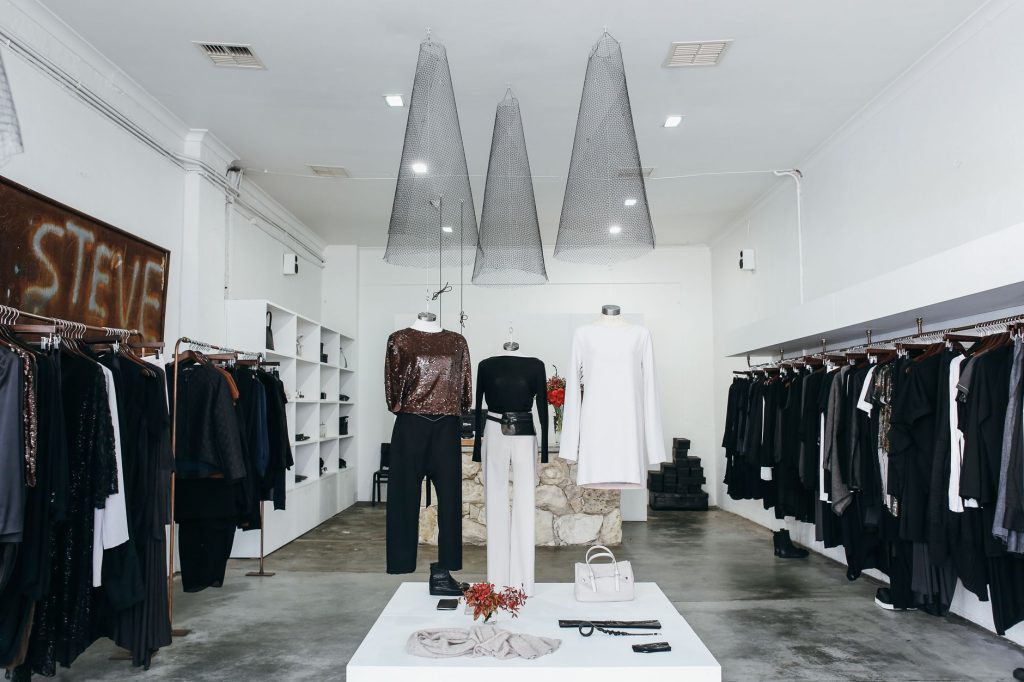
The way products are displayed in stores or online significantly affects consumer choices. Visual merchandising involves the strategic placement of items to attract attention and encourage sales. This includes creating appealing displays, arranging clothing and accessories, and designing effective online layouts.
5. Promotional Activities
Fashion merchandising also involves developing promotional campaigns to drive sales. This can include advertising, social media marketing, and special offers. The aim is to create buzz around a collection and entice customers to make purchases.
6. Performance Analysis
Measuring the success of merchandising efforts is vital. Analyzing sales data, customer feedback, and inventory turnover helps fashion merchandisers assess what worked and what didn’t. This insight guides future decisions, ensuring continual improvement.
The Importance of Fashion Merchandising
Fashion merchandising plays a pivotal role in how brands connect with consumers. It influences the shopping experience and shapes purchasing decisions. Here are several reasons why effective merchandising is important:
- Consumer Connection: Well-executed merchandising creates an emotional connection with consumers, enhancing their engagement and loyalty.
- Market Trends: Staying attuned to market trends allows brands to adjust their offerings and remain relevant in a competitive landscape.
- Revenue Generation: Effective merchandising strategies lead to increased sales and profitability.
- Brand Identity: Merchandising helps communicate the brand’s aesthetic and values, reinforcing its identity in consumers’ minds.
How Fashion Merchandising Affects Consumer Choices
The intersection of fashion merchandising and consumer behavior is crucial. The way products are presented can sway shopper decisions. Here’s how merchandising influences consumers:
1. First Impressions
The initial presentation of a product, whether in-store or online, can significantly impact consumer perceptions. Brands must create an inviting and appealing atmosphere that encourages exploration and buying.
2. Product Placement
Strategic product placement can draw attention to certain items, making them more likely to be noticed and purchased. Highlighting new arrivals or bestsellers often encourages impulse buys.
3. The Power of Storytelling
Effective merchandising often tells a story. By showcasing how items fit together or are influenced by current trends, consumers can envision how these products will work in their own wardrobes.
4. Social Proof
Highlighting customer reviews, celebrity endorsements, or influencer partnerships within merchandising strategies enhances credibility and influences consumer trust and desire.
Practical Tips for Fashion Merchandising at Home
You may not be a professional fashion merchandiser, but you can implement some strategies in your own wardrobe and browsing habits to enhance your personal style. Here are practical ways to approach fashion merchandising concepts:
1. Conduct a Wardrobe Audit
Take the time to review your current wardrobe. Identify what pieces you love, what you wear regularly, and what can be donated or discarded. This will help you understand your personal style better.
2. Understand Your Style
Consider the colors, cuts, and styles that resonate with you. Identifying your personal aesthetic will guide your future purchases and help you create cohesive outfits.
3. Create Outfit Formulas
Determine what combinations of clothing you feel most confident in. For example, pairing a tailored blazer with a simple tee and jeans is versatile and suitable for various settings.
4. Experiment with Visual Arrangements
When organizing your wardrobe, arrange pieces by color, occasion, or season. This visualization can inspire new outfit ideas and make it easier to see the potential of existing items.
5. Stay Informed About Trends
Familiarize yourself with current fashion trends but adapt them to fit your style. Subscribing to fashion newsletters, following style blogs, or utilizing social media platforms like Pinterest and Instagram can help you stay updated.
Seasonal Fashion Merchandising
Fashion merchandising is also affected by seasonal trends. Transitioning from one season to another can involve strategic changes in your wardrobe. Consider these tips for managing seasonal shifts:
1. Spring/Summer
- Incorporate bright colors and lightweight fabrics to embrace warmer weather.
- Utilize accessories like sunglasses and hats to complement your outfits.
- Layering is often less necessary, but consider light cardigans or layers for cool evenings.
2. Fall/Winter
- Introduce richer tones and more textured fabrics, like wool or cashmere, to reflect the season.
- Focus on layering for warmth, such as pairing turtlenecks under dresses or sweaters.
- Invest in versatile outerwear that can elevate both casual and formal outfits.
Building a Capsule Wardrobe
A capsule wardrobe is a curated collection of essential items that can be mixed and matched to create a variety of outfits. This concept aligns well with fashion merchandising by emphasizing versatility and intentionality. Here are key steps to create your capsule wardrobe:
1. Identify Essentials
- Classic white button-down shirt
- Tailored trousers or jeans
- Versatile dress or skirt
- Neutral footwear that can be dressed up or down
- Signature outerwear piece, such as a trench coat or denim jacket
2. Choose a Color Palette
Limit your palette to a few core colors that mix well with each other. This will maximize outfit combinations and simplify shopping.
3. Add Layering Options
Opt for lightweight pieces that can be layered easily to adapt to changing temperatures throughout the day.
4. Regularly Rotate and Update
Review your capsule periodically to ensure it represents your current style and lifestyle needs. Update pieces as necessary, keeping what works and replacing what doesn’t.
Responsible and Sustainable Fashion Merchandising
With increasing consumer awareness about sustainability, fashion merchandising must adapt. Incorporating sustainable practices can significantly affect consumer perceptions and loyalty. Here are practical steps for responsible merchandising:
1. Ethically Sourced Materials
Focus on sourcing materials that are biodegradable or sustainably produced. Share this information with consumers to enhance brand transparency.
2. Encourage Upcycling and Recycling
Merchandising can include promoting products designed for longevity or provide information on how to upcycle clearly.
3. Inclusive Marketing
Create marketing campaigns that celebrate diversity, inclusivity, and body positivity to connect with a broader audience.
4. Eco-Friendly Packaging
Consider the environmental impact of packaging. Opt for recyclable or compostable options whenever possible.
Conclusion
Fashion merchandising is a dynamic field that combines creativity with strategy. Understanding its principles can help consumers make more informed choices and elevate their personal style. By applying insights from merchandising, such as market research, product selection, and visual merchandising strategies, readers can enhance their shopping habits and create cohesive wardrobes tailored to their preferences.
For further exploration of fashion topics, consider checking out our guides on what fashion is and what fashion designers do.