Old money style embodies understated elegance and refined sophistication, reflecting wealth without ostentation. This fashion sensibility favors classic, timeless pieces over trendy labels, prioritizing quality and craftsmanship. In this article, we’ll explore what defines old money style, offering insights into essential wardrobe staples, outfit ideas, and styling tips to help you incorporate this aesthetic into your own everyday looks.
Whether you’re navigating a formal occasion or seeking everyday attire that speaks of quiet luxury, old money style provides a versatile framework. Let’s delve into its key components, from wardrobe essentials to seasonal outfits and accessorizing, ensuring you can effortlessly embody this chic and polished look.
What Is Old Money Style?
Old money style refers to a fashion aesthetic associated with affluent families whose wealth has been inherited over generations. It is characterized by classic, timeless clothing and accessories that emphasize quality over brand recognition. This style is about sophistication and discretion, eschewing flashiness while embracing understated luxury.
Core elements include tailored silhouettes, high-quality fabrics, and neutral or muted color palettes. The approach to fashion emphasizes longer-lasting trends rather than rapidly changing fashion fads, resulting in a wardrobe that feels both elegant and practical.
Wardrobe Essentials for Old Money Style
Creating an old money wardrobe starts with identifying key essential pieces that form the backbone of this aesthetic. These items should be versatile enough to mix and match while showcasing quality tailoring and luxurious materials.
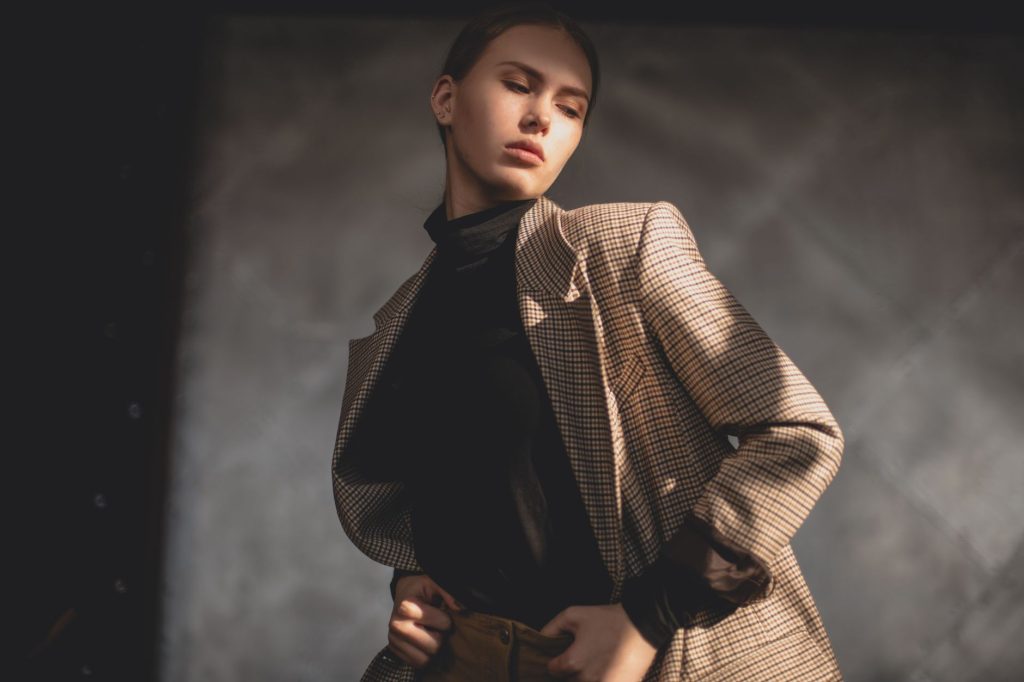
- Tailored Blazers: A well-fitted blazer in neutral tones like navy, grey, or beige is indispensable. It creates a polished look and can be dressed up or down.
- Crisp White Shirts: A high-quality button-up or tailored blouse is a classic staple. Look for cotton or silk for a luxury feel.
- Pencil Skirts: A tailored pencil skirt can transition seamlessly from office to evening, pairing well with blazers and blouses.
- Trousers: Opt for tailored trousers in natural fibers such as wool or linen, ensuring they fit well at the waist and are appropriately hemmed.
- Classic Dresses: Look for sheath or fit-and-flare dresses in solid colors or subtle patterns, which can be accessorized to suit various occasions.
- Cashmere Sweaters: A soft cashmere sweater adds elegance while providing warmth. Choose pieces in neutral shades for maximum versatility.
- Leather Handbags: Invest in a high-quality leather handbag in a simple silhouette that won’t go out of style.
- Quality Footwear: Classic loafers, ankle boots, or understated heels made from top-quality leather are essential for completing any outfit.
Outfit Ideas for Different Occasions
Now that we’ve covered key essentials, let’s move on to how you can assemble these pieces into outfits suitable for various occasions.
Work Attire
For a professional setting, the old money style emphasizes competence and reliability. Consider the following outfit:
- Tailored navy blazer
- Crisp white button-up shirt
- Pencil skirt in a neutral tone
- Classic black pumps
- Structured leather handbag
Casual Outings
When dressing for leisure, aim for comfort while maintaining sophistication. A classic casual outfit could include:
- Cashmere sweater in a light shade
- Tailored trousers in a soft color
- Loafers or chic ballet flats
- A classic trench coat for layering
Evening Events
For formal occasions, you want to project elegance and grace. Try this combination:
- Sleek black sheath dress
- Minimalist pearl earrings
- Classic pointed-toe heels
- Small clutch handbag
Weekend Getaways
For a relaxed yet polished weekend look, you might go for:
- Lightweight linen shirt
- Tailored Bermuda shorts
- Stylish espadrilles
- Sun hat for added elegance
Seasonal Fashion Adaptations
Old money style is adaptable to various seasons with appropriate layering and the right choice of fabrics. Here’s how you can adjust your wardrobe for different times of the year:
Spring
In spring, choose lighter fabrics and embrace soft colors:
- Opt for silk blouses and cotton blazers.
- Add soft pastels or floral prints in dresses and skirts.
- Pair with loafers or low-heeled sandals.
Summer
During summer, focus on breathable materials:
- Choose linen trousers or skirts.
- Go for sleeveless blouses or simple maxi dresses.
- Accessorize with wide-brimmed hats and sunglasses for added flair.
Autumn
As the weather cools, layering becomes essential:
- Add tailored coats over your existing outfits.
- Incorporate rich, warm colors like burgundy or forest green.
- Opt for ankle boots or closed-toe flats for the season.
Winter
In winter, prioritize warmth while keeping the look refined:
- Invest in a classic wool overcoat.
- Layer cashmere sweaters under tailored blazers.
- Complete with knee-high leather boots for a polished finish.
Stylish Accessories to Complement Old Money Aesthetic
Accessories play a crucial role in embodying old money style, as they can enhance your outfits without overpowering them. Here are some key accessories to consider:
- Jewelry: Opt for simple and elegant pieces like gold stud earrings or a classic wristwatch. Avoid overly flashy or trendy designs.
- Sunglasses: Choose timeless shapes such as aviators or oversized frames in classic colors.
- Scarves: A silk scarf can add a touch of sophistication, whether tied around the neck or as a hair accessory.
- Belt: A high-quality leather belt can cinch dresses or blazers, adding structure.
- Hats: Consider a fedora or a tailored beret; both can elevate casual looks.
Color Coordination in Old Money Style
Old money style favors a muted color palette, often composed of earth tones and neutral colors. Here’s how to effectively coordinate colors:
- Stick to Neutrals: Colors like beige, cream, navy, and grey are foundational and can easily be mixed.
- Accent Colors: Use soft pastels or deeper hues (like forest green or burgundy) sparingly as accents rather than dominant colors.
- Monochromatic Looks: Consider outfits in varying shades of one color for an elegant and streamlined appearance.
- Layering Colors: Use layers to introduce color variations without overwhelming the outfit.
Fabric Choices and Garment Care
The choice of fabric is paramount in achieving an old money look. Here are key points for selecting materials and caring for your wardrobe:
- Prioritize Natural Fibers: Fabrics like cotton, wool, linen, and silk provide breathability and comfort while exuding luxury.
- Invest in Quality: Higher-quality fabrics generally last longer and wear better, making them worthwhile.
- Follow Care Instructions: Always adhere to garment care labels to maintain fabric integrity and appearance.
- Dry Cleaning and Repairs: Regularly use professional cleaning services and repair minor damages promptly to extend lifespan.
Shopping Tips for Old Money Style
When looking to build your old money wardrobe, keeping a few essential shopping strategies in mind can help ensure you buy wisely:
- Assess Quality: Always check the stitching, fabric quality, and construction of garments.
- Choose Timeless Over Trendy: Look for styles that have demonstrated longevity in fashion rather than fleeting trends.
- Shop Off-Season: To find better deals on quality items, consider shopping for winter clothing in the summer and vice versa.
- Visit Thrift and Vintage Shops: Often, you can find high-quality pieces that encapsulate the old money aesthetic at a fraction of the price.
Common Mistakes to Avoid
As you assimilate old money style into your wardrobe, be aware of a few common pitfalls:
- Overly Trendy Choices: Avoid pieces that are too fashion-forward or logo-heavy, which can detract from the style’s essence.
- Poor Fit: Tailoring is key—clothes should fit well to appear polished. Invest in alterations when necessary.
- Neglecting Quality: It’s better to have a few high-quality items than a full wardrobe of lower-quality items that wear out quickly.
Conclusion
Incorporating old money style into your wardrobe means embracing timeless elegance, quality, and class. With a focus on tailored pieces, muted color palettes, and carefully chosen accessories, you can exude sophistication in any setting. Start by investing in essential wardrobe staples and gradually build a collection that aligns with your personal style while reflecting the understated luxury of the old money aesthetic.
For more insights on achieving a refined personal style, feel free to explore how to achieve an old money look or read about the royal family’s influence on fashion.