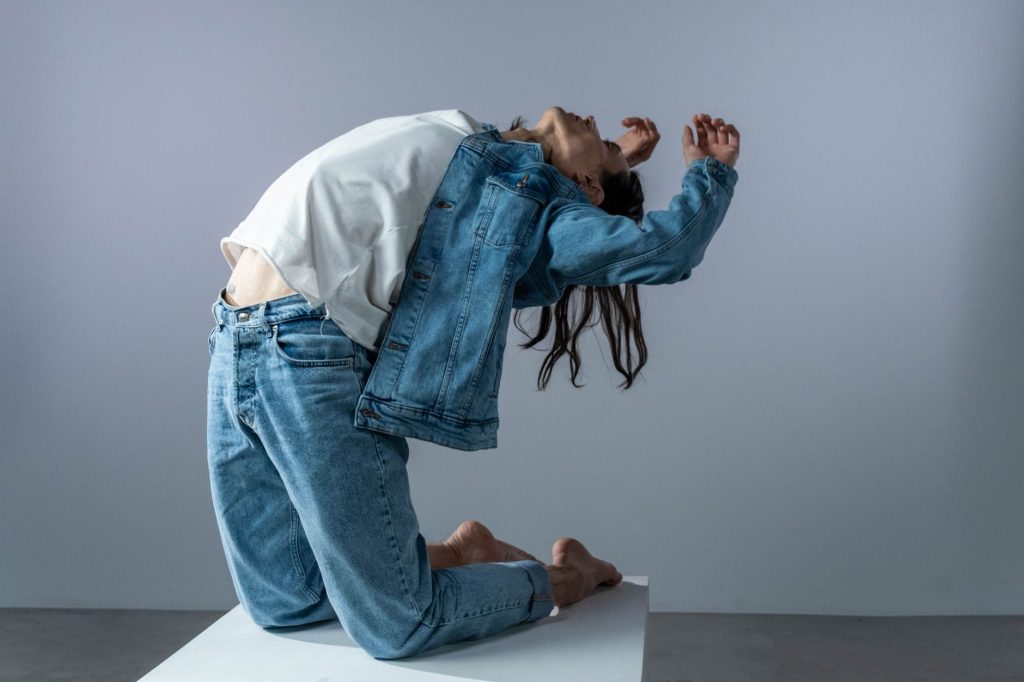
Modeling is not just about striking a pose; it encompasses a wide array of skills, from understanding fashion trends to mastering the art of self-presentation. Whether you’re aspiring to grace runways, fill magazine spreads, or simply enhance your personal style, knowing how to model can elevate your presence in the fashion world.
This article will discuss valuable tips and techniques on how to model effectively. We will cover essential aspects such as understanding your body, mastering poses, coordinating outfits, and presenting yourself confidently in any setting.
How To Model Effectively?
Modeling effectively involves demonstrating confidence, understanding fashion, and showcasing garments in the best possible light. This includes practicing various poses, being adaptable to different styles, and maintaining good body care and presentation.
The Importance of Understanding Your Body
Embracing your unique body type is crucial when it comes to modeling. Each body shape, height, and size offers specific advantages and can influence the type of modeling you may pursue. Understanding your body will help you know which angles and poses work best for you.
- Identify Your Body Shape: Recognize whether you have an hourglass, pear, apple, or rectangle shape. This helps you choose clothing that enhances your best features.
- Know Your Measurements: Familiarize yourself with your height, chest, waist, hips, and inseam. These details help you select clothing that fits well.
- Focus on Proportions: Learn how to balance your body proportions when modeling to create striking images.
Mastering Poses
One of the quintessential skills of modeling is mastering a variety of poses. Poses should highlight your outfit while conveying emotion and engagement. Try the following tips to excel in this area:
Finding Your Angles
Angles play a crucial role in modeling. Experiment with different angles to see which ones flatter your features. Here are some to begin with:
- Turn Your Body: Instead of facing the camera straight on, turn your body slightly to one side to create a more dynamic look.
- Shift Your Weight: Place your weight on one leg while allowing the other leg to fall naturally. This will create a more relaxed and natural stance.
- Use Your Arms: Avoid letting your arms hang limply. Instead, incorporate hand placement by placing one hand on your hip or slightly bent at your side.
Practice Iconic Poses
Some poses have become classics in the modeling industry. Practice these iconic poses to build versatility:
- The S-Curve: Create an “S” shape with your body by bending your back and hips, doing this elongates your silhouette.
- Over the Shoulder: Look back over one shoulder for an alluring and relaxed look.
- Seated:** Sit with one leg over the other, leaning slightly forward. It gives a more approachable persona.
Confidence and Presence
Confidence is a critical factor in modeling. No matter how incredible the outfit is, if you lack confidence, it won’t shine through your photographs or runway walks. Cultivating confidence can take time, but here are a few practical tips:
- Stand Tall: Good posture exudes confidence. Stand up straight, roll your shoulders back, and lift your chin.
- Practice in the Mirror: Spend time perfecting your poses and expressions in front of a mirror.
- Visualize Success: Before a shoot or runway walk, take a moment to visualize yourself doing well.
Coordinating Outfits
Your ability to coordinate outfits is essential in modeling. Understanding how to style yourself or work with a stylist can enhance how you present clothing. Here are some suggestions:
Understanding Outfit Combinations
Creating visually appealing outfits is about cohesion between colors, textures, and shapes:
- Color Theory: Familiarize yourself with color combinations that work well together. Pair complementary colors or experiment with monochromatic looks.
- Texture Mixing: Combine different textures (e.g., leather with cotton) for visual interest.
- Layering: Use layers to add depth to your outfit, but avoid overwhelming your look.
Seasonal Styling
Adapting your outfits to the seasons is essential for effective modeling. Consider the following:
- Spring/Summer: Focus on lighter fabrics and bright colors. Layering can still apply with light cardigans or denim jackets.
- Autumn/Winter: Choose heavier materials such as wool and incorporate rich, earthy tones.
Dressing for Occasions
Models often need to adapt their outfits to fit different events or shoots. Understanding dress codes can guide your selections:
- Casual: Jeans, tees, and a stylish jacket work well. Accessorize simply but purposefully.
- Smart Casual: Tailored trousers or skirts with a chic blouse or a button-up shirt can elevate your look.
- Formal: A well-fitted suit or elegant dress is crucial at formal functions. Detail matters, from the tailoring to the accessories.
Footwear Choices
Footwear greatly impacts your overall look and modeling effectiveness. Consider the following when selecting shoes:
- Choose Appropriately: Footwear should match the outfit and occasion, whether heels for elegance or stylish flats for casual looks.
- Comfort vs. Style: Strive to find a balance between stylish options and comfortable footwear. If you’re modeling for extended periods, choose shoes you can wear with ease.
Accessorizing Your Look
Accessories can elevate your modeling by adding personality to your outfits. Here are some pointers:
- Choose Wisely: Limit accessories to avoid cluttering the look. Pick one or two statement pieces.
- Match the Tone: Ensure accessories align with the overall tone of your outfit—go for bold pieces with muted outfits and delicate items with more intricate styles.
Fabric and Garment Care
Understanding fabrics and how to care for garments is essential for maintaining a polished look. Here’s a primer on care:
- Read Labels: Pay attention to garment care labels detailing washing and drying procedures.
- Store Properly: Proper hanging or folding can prevent wrinkles and maintain the shape of your clothes.
- Know Fabric Types: Familiarize yourself with the characteristics of different fabrics to make informed styling and care decisions.
Fit Matters
The fit of your clothes can dramatically affect your overall appearance. Here’s how to ensure the best fit:
- Tailoring: If clothing does not fit perfectly, a tailor can adjust it to complement your body better.
- Check the Silhouette: Ensure that garments flatter your figure without being overly tight or loose.
Building a Capsule Wardrobe
A capsule wardrobe is a strategic collection of versatile pieces that can be mixed and matched for numerous outfits. Consider the following foundational elements:
- Basics: Invest in quality basics (t-shirts, jeans, blazers) that form the backbone of your wardrobe.
- Versatile Pieces: Look for items that can transition from day to night, such as a little black dress or tailored trousers.
- Accessories: Choose accessories that can be styled in multiple ways to enhance different outfits.
Shopping Guides
Effective shopping is key to building an outstanding wardrobe. Here are tips to make your shopping experience successful:
- Set a Budget: Define a spending limit to ensure mindful purchasing.
- Research Brands: Investigate brands to understand quality and style before making purchases.
- Try Before You Buy: When possible, try on items to ascertain fit and comfort.
Staying Current with Fashion Trends
Staying informed about fashion trends can help enhance a model’s relevance in the industry. Here’s how to stay up-to-date:
- Follow Fashion Weeks: Pay attention to collections showcased during Fashion Weeks worldwide.
- Read Fashion Publications: Regularly consult fashion magazines and online platforms for the latest trends.
- Engage in Fashion Communities: Join social media platforms and forums where fashion discussions take place.
Creating a Personal Style
Your personal style is a reflection of your individuality. Here’s how to cultivate it:
- Experiment: Don’t shy away from trying various styles until you discover what resonates.
- Mix and Match: Combine different pieces that you love and feel comfortable wearing.
- Stay True to Yourself: Avoid trends that don’t align with your personality. Authenticity speaks volumes.
Final Thoughts
Modeling is a diverse field that requires patience, practice, and a willingness to learn. By understanding your body, mastering poses, carefully coordinating outfits, and cultivating confidence, you can effectively model in various contexts. Always remember that the most important aspect of modeling is feeling comfortable in your skin, no matter your body shape, size, or style.
As you embark on your modeling journey, aim to challenge yourself continuously and enjoy the process of self-discovery. Step into your personal style and let your personality shine as you model whatever you choose.
For further reading, you might find “How To Become A Model” and “How To Pose For Modeling Photos” particularly helpful to enhance your modeling skills.