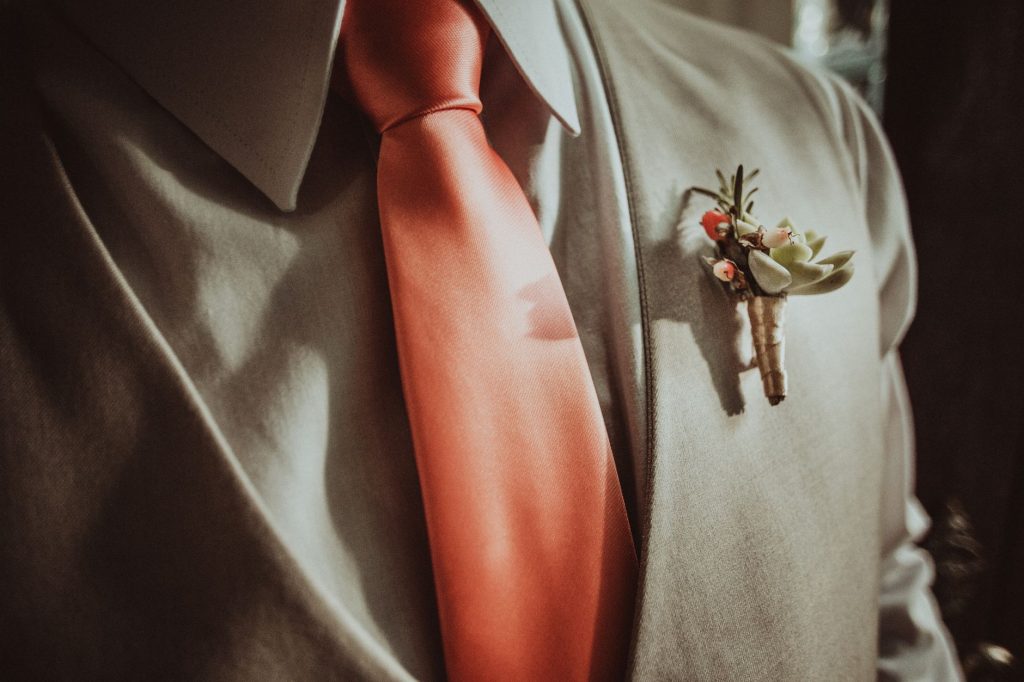
The length of a tie plays a crucial role in achieving a polished and well-structured look. A tie that is too short or too long can disrupt the overall aesthetic of your outfit. Understanding the appropriate tie length ensures a balanced and sophisticated appearance, whether you’re dressing for work, a formal event, or a casual outing.
In this article, we’ll explore the ideal tie length, how it varies depending on different factors, and practical styling tips to enhance your look while adhering to proper guidelines. Whether you’re new to neckwear or simply need a refresher, this guide will help you master the perfect hang of your tie.
How Low Should A Tie Hang?
A properly fitting tie should hang so that the tip rests between the top of your belt buckle and the waistband of your trousers. For most individuals, this translates to a length where the tie finishes around the middle of the belt buckle. This ideal position creates a flattering silhouette and complements your overall outfit.
Now, various factors can influence tie length beyond basic measurements, including the type of knot you tie, your height, and body shape. Let’s delve into these considerations to help you fine-tune your tie-hanging game.
Understanding Tie Length Variations
Knot Type
The type of knot you choose can significantly affect how low your tie hangs. Different knots create varying amounts of fabric, which can alter the tie’s final position. Here are some common types of knots and their impact on tie length:
- Four-in-Hand Knot: This is the most popular knot among men due to its simplicity and versatility. It tends to leave the tie hanging a bit longer, making it suitable for an average look.
- Windsor Knot: This knot is larger and more formal. It can cause the tie to hang higher, so you may need a longer tie if you wish to maintain the ideal hanging length.
- Half-Windsor Knot: A moderate knot that balances size and elegance. It fits well for those seeking a polished yet approachable look.
Height and Build
Your personal height and body type are essential considerations when determining the ideal tie length. Taller individuals may find that standard ties hang higher on their frame, while shorter individuals might need a shorter tie to achieve the perfect hang. Here’s a general guideline:
- Shorter Frames (5’6” and below): Opt for a shorter tie, around 54-56 inches.
- Average Frames (5’7” to 6’0”): Standard 57-58 inch ties will typically work well.
- Taller Frames (6’1” and above): A longer tie, around 60 inches, is generally recommended.
Style and Occasion
The style of your outfit and the occasion will also dictate how low your tie should hang. Formal occasions may permit slightly longer ties for added sophistication, while casual settings call for a more relaxed approach.
- Casual Looks: In casual settings, the tie can hang lower or be styled with a more relaxed knot.
- Office Attire: Maintain an appropriate tie length that rests at or just above the belt buckle for a professional look.
- Formal Events: A classic approach is to ensure the tie hangs at the belt buckle height, suggesting elegance and refinement.
Choosing the Right Tie
As you consider how low your tie should hang, selecting the right tie length is just as important. Here are some aspects to keep in mind:
Fabric and Texture
The fabric and texture of a tie can also influence how it hangs. Heavier fabrics like wool or silk can drape differently compared to lighter materials like cotton or linen. This may affect your knot choice and eventual length. If you opt for a heavier fabric, ensure the tie falls gracefully when tied without appearing bulky.
Print and Pattern Considerations
The print or pattern of a tie can make a significant visual difference. Solid ties or subtle patterns often work best for formal settings, while bold prints may add personality to a casual ensemble. Regardless of the pattern, ensure it complements your shirt and suit color for a harmonious overall look.
Practical Styling Tips
Now that we’ve identified the ideal tie length and influencing factors, let’s explore practical styling tips to help you wear ties effectively:
Outfit Coordination
To enhance your tie’s appearance, you should coordinate it with your shirt and suit. Here’s how:
- Shirt and Tie Coordination: Ensure your shirt color complements your tie color. If wearing a patterned shirt, opt for a solid or subtly patterned tie.
- Suit Color: A darker suit allows for more vibrant tie options, while a light suit calls for a more subdued tie palette.
- Same Color Family: Choosing colors in the same family but varying shades creates a sophisticated and cohesive look.
Accessories
Accessories play a vital role in rounding out your look. Consider the following:
- Pocket Squares: Coordinate your pocket square with your tie for a polished finish; it should complement rather than match your tie exactly.
- Watches and Cufflinks: Keep metal colors consistent across your watch and cufflinks to maintain a unified look.
- Footwear: Stick to classic options like dress shoes or loafers that align with the formality of your outfit and complement your overall aesthetic.
Dress Codes Demystified
Understanding dress codes helps ensure you choose the right tie and outfit combination. Here’s a brief overview:
- Business Professional: A classic tie with a standard knot, hanging between the belt buckle and waistband.
- Business Casual: Ties can be skipped; if worn, opt for more relaxed styles and knots.
- Formal Attire: Your tie should maintain the classic length, often accompanied with a formal or bow tie for evening events.
Common Mistakes to Avoid
Wearing a tie might seem straightforward, but several common pitfalls can disrupt your look. Here are key mistakes to avoid:
- Too Short or Too Long: Ensure the tie falls within the ideal range; not doing so can make even the best outfit appear disheveled.
- Inconsistent Styles: Choose styles that complement each other. Avoid combining overly formal ties with casual watches, for example.
- Neglecting Fabric Care: Properly maintaining your ties ensures they hang well and remain in great condition. Always check the care label and clean as recommended.
Seasonal Considerations
Adapting your tie choice to the seasons can enhance your overall look. Here are seasonal direction points:
- Spring: Opt for lighter fabric ties such as cotton or linen in bright, fresh colors.
- Summer: Stick to breathable fabrics and lighter colors; floral patterns can add a lively touch.
- Fall: Embrace warming tones like burgundy or mustard in heavier fabrics such as wool blends.
- Winter: Darker, richer colors with textured fabrics can elevate your winter wardrobe, perfect for formal occasions.
Shopping for the Perfect Tie
When shopping for the ideal tie, consider these factors:
- Length and Width: Check the specifications for lengths; recall the general guidelines according to your height and the styles you prefer.
- Materials: Choose quality materials that suit your style while also ensuring comfort and adaptability.
- Style Versatility: A well-chosen tie should work in multiple situations—think about how it pairs with different suits and shirts.
Care and Maintenance for Ties
Caring for your tie ensures longevity and keeps it looking its best. Here are essential care tips:
- Storage: Hang ties on a dedicated tie rack or roll them gently to prevent creasing.
- Cleaning: Always check the care label—some ties require dry cleaning, while others can be spot-cleaned gently.
- Ironing: For silk ties, use a low heat setting and a cloth barrier to avoid damage. Avoid direct contact with the iron.
Conclusion
By understanding how low a tie should hang and considering the various factors that influence its appearance, you can create a polished and sophisticated look. Embrace the tips shared here to ensure your ties enhance rather than detract from your total outfit. Remember, every detail counts in your personal style journey, so choose wisely.
For more related fashion guides, be sure to check out how long a tie should be and tips on how to wear a bolo tie to expand your neckwear knowledge and styling repertoire.