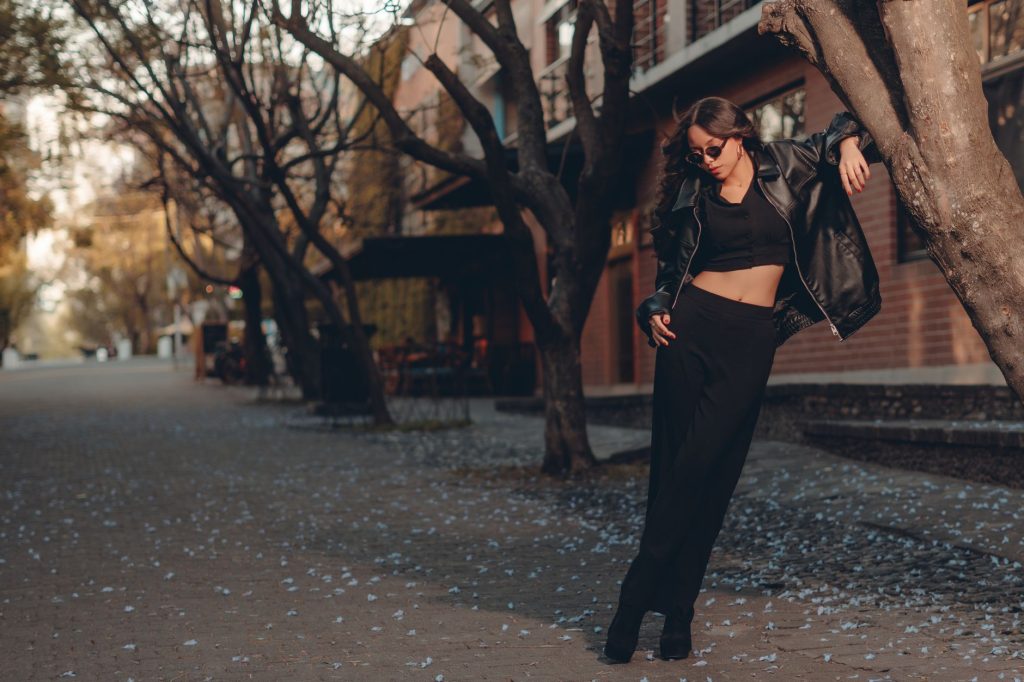
Every aspiring model faces a unique journey in the fashion industry. Knowing how to navigate this path can help you find success. This guide will explore the essential steps, styling tips, and practical advice for getting into modeling effectively.
Modeling is not just about posing and being photogenic; it’s also about understanding fashion, maintaining your physical appearance, and building a professional network. Here, we will break down everything you need to know about getting into modeling and making a mark in this exciting industry.
How To Get Model?
To get into modeling, build a portfolio, understand your body type, network with industry professionals, and consider your marketable qualities. Along the way, develop your personal style and learn about the different types of modeling available to you.
Understanding Different Types of Modeling
Before you begin your modeling journey, it’s crucial to understand the various types of modeling opportunities available. Each type has its requirements and characteristics.
- Fashion Model: Generally seen on runways and in high-fashion shoots, fashion models are typically required to have specific measurements and a strong presence.
- Commercial Model: These models appear in advertisements for a wide range of products. They often represent a wide array of body types and demographics.
- Plus-Size Model: Representing sizes 14 and up, plus-size models have become increasingly important in the industry, challenging beauty standards.
- Fitness Model: Fitness models focus on promoting health and athletics, often working with brands related to exercise and nutrition.
- Editorial Models: These models work primarily for magazine shoots, creating artistic visuals that convey a story.
Building Your Portfolio
Your portfolio is your calling card in the modeling world. It should showcase your versatility and talent.
What to Include in Your Portfolio
- High-Quality Images: Use professional photography to ensure your images have the best lighting, poses, and backgrounds.
- Diverse Looks: Include a range of styles, outfits, and expressions to demonstrate your ability to convey different moods.
- Full-Body and Headshots: A mix of both allows potential clients to see your entire figure as well as your face closely.
- Unique Contexts: Show your versatility by including photos taken in various locations and contexts.
Finding the Right Photographer
Choose a photographer known for their work in fashion or modeling. Look for recommendations or check online portfolios. Ensure they can capture your style and vision.
Navigating the Industry: Networking and Agencies
Networking is vital in the modeling industry. Once you have your portfolio ready, consider the following steps:
Finding an Agency
- Research Agencies: Look for reputable modeling agencies that align with your interests and goals.
- Submit Your Portfolio: Most agencies ask for online submissions. Follow their guidelines carefully.
- Industry Events: Attend workshops and events to meet professionals, gain insights, and increase your chances of finding representation.
Networking Tips
When meeting industry professionals, keep these tips in mind:
- Be Professional: Dress appropriately, be punctual, and maintain a positive attitude.
- Practice Your Poses: Be prepared to show your skills when asked.
- Follow Up: After meeting someone, send a thank-you message to keep the connection alive.
Developing Your Personal Style
Your personal style plays a crucial role in how you market yourself as a model. Consider the following pointers:
Understanding Fashion Trends
Stay updated on current fashion trends to create a wardrobe that reflects contemporary styles. Follow fashion blogs, magazines, and social media accounts of influential figures in the industry.
Defining Your Signature Look
- Identify Your Body Type: Choose clothing that flatters your silhouette and enhances your best features.
- Experiment with Colors: Understand which colors work best for your complexion and hair color.
- Accessorize Wisely: Accessories can elevate an outfit. Learn how to choose the right ones to complete your look.
Seasonal Fashion Considerations
Fashion is highly seasonal, making it essential to adapt your wardrobe accordingly:
- Spring/Summer: Incorporate lighter fabrics, vibrant colors, and floral patterns.
- Fall/Winter: Layering becomes key. Focus on rich textures like wool, cashmere, and leather.
Choosing the Right Outfits for Opportunities
When attending castings or bookings, your outfit can make a significant difference. Follow these guidelines:
- Fit and Comfort: Choose outfits that fit well and allow you to move easily.
- Neutral Colors: Opt for neutral colors that showcase your features without overwhelming them.
- Avoid Busy Patterns: Simple designs help models stand out more than overly busy patterns.
Caring for Your Garments
Proper care for your clothing will help maintain their quality, especially if they’re key pieces in your modeling portfolio.
Fabric Care Tips
- Read Labels: Always follow the care instructions on garment labels for washing, drying, and storage.
- Storing: Use appropriate hangers and garment bags to store your clothes, maintaining their shape and avoiding damage.
- Regular Cleaning: Keep your outfits fresh and in good condition with regular cleaning while being careful not to over-wash delicate fabrics.
Common Mistakes to Avoid
As you embark on your modeling career, being aware of pitfalls will help you avoid common mistakes:
- Neglecting Your Health: Maintain a balanced diet and exercise regimen to stay in good shape for modeling.
- Ignoring Feedback: Be open to constructive criticism, as it can help you grow as a model.
- Overexposing Yourself: Limit the number of castings or sessions you attend to avoid burnout.
Finding Your First Modeling Job
Securing your initial modeling job can be daunting. Follow these strategies to increase your chances:
Using Online Platforms
- Modeling Websites: Create a profile on credible modeling websites that connect models with potential clients.
- Social Media: Use platforms like Instagram to showcase your portfolio, network with photographers, and potentially attract brands.
Getting Experience
- Start Local: Look for local fashion shows or shoots that may not require professional experience but can help build your resume.
- Volunteer: Offer your modeling services for events or to local fashion students needing models for their designs.
The Importance of Confidence
As a model, confidence is your best accessory. Follow these tips to boost your self-confidence:
- Practice Posing: The more you practice, the more comfortable you will become in front of the camera.
- Positive Affirmations: Focus on your unique qualities and strengths and remind yourself of them often.
- Embrace Rejection: Understand that rejection is a part of the modeling world. Use it as motivation to improve and keep moving forward.
Staying Informed About the Industry
The fashion industry is dynamic and ever-changing. Staying informed will help you remain relevant:
- Follow Fashion News: Subscribe to fashion journals and blogs to stay updated on trends, designers, and modeling opportunities.
- Network with Peers: Building relationships with other models can provide guidance and support.
Conclusion
Getting into modeling requires a mix of preparation, networking, and self-development. With a strategic approach, you can build a successful modeling career and showcase your unique talents to the world. Start by creating a strong portfolio, understanding your personal style, and actively networking with industry professionals.
Explore more about how to break into the industry with guides on getting into modeling and securing your first modeling job.