Business casual is a versatile dress code that strikes a balance between formal office attire and laid-back outfits. Understanding how to navigate this style can enhance your professional presence while allowing for comfort and individuality. This article provides essential tips and outfit ideas for dressing business casual, helping you make the right choices for any occasion.
From the right fabrics to appropriate colors, incorporating accessories, and selecting suitable footwear, our guide will equip you with all the knowledge you need to master this look seamlessly. No matter the season or setting, you will find everything necessary for establishing a polished business casual wardrobe.
What Is Business Casual?
Business casual combines professional attire with a relaxed, comfortable vibe. It allows for creativity while maintaining a polished appearance. Often found in corporate environments, this dress code can vary by industry and workplace culture.
Essentials of a Business Casual Wardrobe
Creating a business casual wardrobe starts with understanding the key staples that make up this style. Here are some foundational pieces for both men and women.
For Men
- Shirts: Collared shirts, including button-downs or polo shirts in solid colors or subtle patterns.
- Pants: Chinos, dress pants, or darkjeans without rips or fading.
- Blazers: Casual blazers can elevate a simple shirt and pant combination.
- Sweaters: Lightweight sweaters or cardigans can add warmth and style, especially in cooler months.
- Shoes: Loafers, brogues, or clean sneakers work well, depending on your workplace norms.
For Women
- Tops: Blouses, tailored shirts, or high-quality knit tops that offer a professional silhouette.
- Pants and Skirts: Dress pants, tailored trousers, knee-length pencil skirts, or chic midi skirts.
- Blazers: A fitted blazer can serve as a statement piece and offers structure to your outfit.
- Dresses: Simple, understated dresses that hit the knee or slightly above are excellent for business casual.
- Shoes: Flats, low-heeled pumps, or tasteful ankle boots that are comfortable for all-day wear.
Understanding Fit and Proportion
Fit is crucial in achieving a polished look. Ensure clothing is neither too tight nor too loose. Aim for tailored fits that allow for comfort while providing a clean silhouette. Key fit considerations include:
- Shoulders: The seam of the shoulder should align with your shoulder bone.
- Waist: Trousers should sit comfortably at your waist without sagging.
- Length: Shirts should extend just past your waistband, and the sleeve length should end just past your wrist.
Optimal Fabrics for Business Casual
Choosing the right fabrics enhances both comfort and style. Consider the following materials:
- Cotton: Breathable and versatile, great for shirts and most pant styles.
- Wool: Suitable for blazers and tailored pants; offers structure and warmth.
- Blends: Polyester blends are often wrinkle-resistant, making them great for travel.
- Linen: A lighter option for hot weather; ensures a relaxed yet stylish appearance.
Seasonal Business Casual Style
Your business casual attire should adapt to seasonal changes to ensure comfort and style. Here’s how to transition your looks throughout the year.
Spring
Lightweight fabrics in bright colors can freshen up your wardrobe. Consider:
- Chino pants in pastel shades.
- Lightweight blazers over breathable fabrics.
- Floral blouses or patterned shirts.
Summer
Focus on breathable materials to stay cool. Ideas include:
- Short-sleeve button-ups or blouses.
- Dress shorts paired with blazers.
- Sarong skirts or breathable dresses.
Fall
Layering becomes essential in the fall. Utilize:
- Cardigans and light sweaters over shirts.
- Dark denim or tailored trousers.
- Closed-toe shoes or ankle boots.
Winter
Embrace warmth without sacrificing style. Opt for:
- Thicker fabrics like wool or knit.
- Layered outfits with scarves and gloves.
- Tailored coats over blazers or dresses.
Color Coordination Tips
Choosing the right colors can elevate your business casual look. Consider these guidelines:
- Neutrals: Black, white, gray, and navy are foundational colors that can be mixed and matched.
- Accent Colors: Use bolder colors in smaller pieces, like ties, scarves, or jewelry, to add personality.
- Patterns: Subtle patterns (stripes or small checks) can add interest without overwhelming the look.
Wardrobe Essentials for Business Casual
A capsule wardrobe can simplify the process of dressing business casual. Here’s a list of essential pieces for both genders to include:
Essential Pieces for Men
- Three pairs of dress pants in different colors.
- Five dress shirts in various colors and patterns.
- One versatile blazer.
- Two pairs of loafers and one pair of casual shoes.
- Two to three sweaters for layering.
Essential Pieces for Women
- Two tailored blazers.
- Three versatile dresses or skirts.
- Five tops in varying styles.
- Two pairs of trousers in different hues.
- Comfortable footwear options that still look professional.
Accessorizing for Business Casual
Accessories can enhance your business casual look. However, moderation is key. Consider these accessory ideas:
- Watches: A classic timepiece conveys professionalism without being overbearing.
- Jewelry: Opt for simple earrings or a delicate necklace that complements your outfit.
- Ties and Scarves: Patterned ties for men or lightweight scarves for women can add elegance.
- Belts: A well-fitted belt can add polish to both men’s and women’s outfits.
Common Mistakes to Avoid
When navigating business casual, there are some pitfalls to steer clear of to maintain professionalism:
- Wearing overly casual items, such as sweatpants or flip-flops, is a major faux pas.
- Choosing flashy accessories can distract from your overall look.
- Opting for wrinkled or poorly fitting clothing undermines a polished appearance.
Shopping for Business Casual
When shopping for business casual attire, consider these tips to maximize your selection:
- Know Your Fit: Understand your size across different brands and try on multiple styles.
- Quality Over Quantity: Invest in fewer high-quality pieces rather than an extensive collection of lower-quality items.
- Versatility: Choose items that can be mixed and matched to create multiple outfits.
Fashion Trends in Business Casual
Staying updated on current fashion trends allows you to infuse your business casual wardrobe with fresh styles. Popular trends include:
- Relaxed Tailoring: Looser fits and more comfortable styles have made their mark on the business landscape.
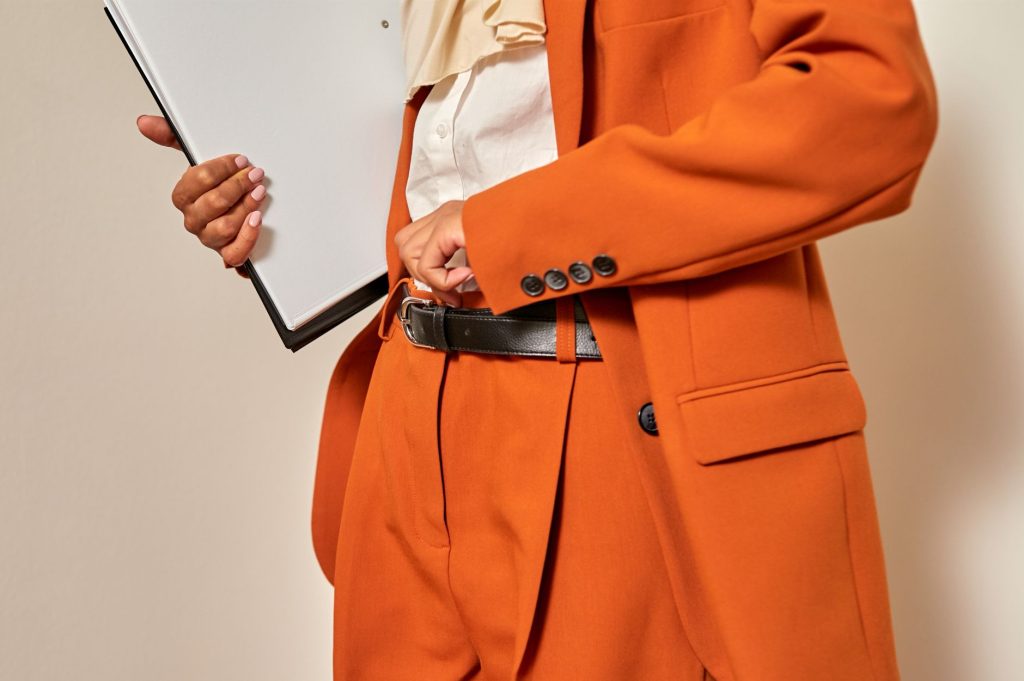
- Colorful Blazers: Blazers in bold hues are trending and can serve as an anchor piece.
- Sustainable Fashion: Many brands are focusing on eco-friendly materials and ethical production practices.
Caring for Your Business Casual Wardrobe
Maintaining your wardrobe is essential for longevity. Follow these garment care guidelines:
- Check Labels: Always follow care instructions for washing and drying.
- Proper Storage: Use hangers for blazers and wrinkle-free storage for dresses.
- Regular Cleaning: Ensure garments are cleaned regularly to keep them fresh and presentable.
Final Thoughts on Dressing Business Casual
Mastering business casual attire is about finding the right balance between professionalism and personal style. By focusing on essential pieces, understanding fit and proportions, and incorporating seasonal elements, you can create a wardrobe that works for you. Start with these guidelines, adapt to your personal tastes, and you’ll be able to confidently navigate any business casual environment.
Explore related fashion guides and styling articles for more insights: What Is Business Casual?, What Is Business Casual for Women?.