The term business casual refers to a dress code that combines professional attire with a relaxed approach to clothing. It is often the norm in workplaces where formal business attire is deemed too stiff, yet there is still an expectation for employees to maintain a polished appearance. Understanding what is considered business casual can simplify wardrobe choices and enhance professional presence.
This guide explores the essentials of business casual, unraveling outfit ideas, styling advice, and practical tips to help you navigate this often-confusing dress code. Whether you are preparing for a job interview, attending industry events, or simply dressing for your everyday office environment, knowing how to blend comfort with professionalism is key.
What Is Considered Business Casual?
Business casual attire typically includes clothing that is neat, tidy, and appropriate for a professional setting, yet more relaxed than traditional business wear. This often means swapping out a suit for refined casual pieces that maintain an image of professionalism.
Key Components of Business Casual
To develop a successful business casual wardrobe, consider the following clothing categories, each providing versatility and a professional flair:
- Tops: Collared shirts, blouses, and smart sweaters.
- Bottoms: Slacks, chinos, or dress skirts in conservative colors.
- Layering pieces: Blazers or cardigans that can enhance a look.
- Shoes: Loafers, flats, or low-heeled boots suitable for the workplace.
- Accessories: Minimalistic jewelry, belts, and functional bags.
Seasonal Adaptations in Business Casual
Clothing choices should adjust with the changing seasons to maintain comfort and appropriateness. Here’s how you can adapt your business casual wardrobe seasonally:
Spring and Summer
Opt for breathable fabrics like cotton and linen to stay cool. Light-colored tops and bottoms can refresh your look. Consider:
- Short-sleeved blouses or lightweight button-ups
- Chinos or tailored shorts (if appropriate)
- Loafers or sandals with a modest heel
Fall and Winter
Layering is critical during colder months. Select warmer fabrics such as wool and heavier cotton for added comfort. Here are some recommendations:
- Long-sleeved shirts or blouses under blazers
- Dress trousers or dark jeans
- Closed-toe ankle boots or dress flats
Business Casual for Men
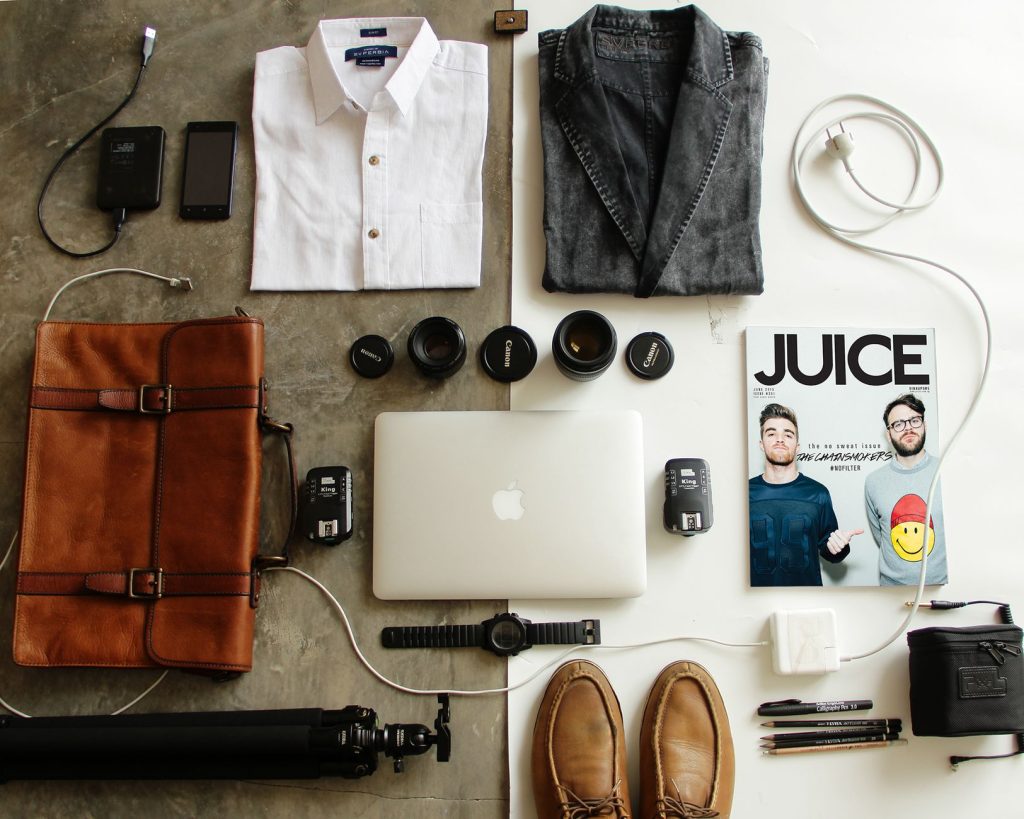
Men’s business casual typically involves a blend of tailored pieces with smart-casual items. Consider these core garments:
- Shirts: A classic button-up in solid colors or subtle patterns; polo shirts can also work.
- Pants: Dress slacks, chinos, or structured dark jeans.
- Outerwear: A tailored blazer or unstructured sport coat can polish the outfit.
- Shoes: Leather or suede loafers, dress sneakers, or brogues.
Business Casual for Women
Women’s approach to business casual allows for a broader array of choices. Here are essential clothing options:
- Tops: Blouses, conservative tops, or knit sweaters; layering with cardigans is also smart.
- Pants and Skirts: Tailored trousers, dressy jeans, or knee-length skirts.
- Dresses: Simple sheath dresses or wrap dresses paired with a blazer.
- Shoes: Flats, low-heeled pumps, or ankle boots.
Capsule Wardrobes for Business Casual
A capsule wardrobe can simplify daily choices by centralizing versatile pieces. When creating a business casual capsule, focus on items that match well and serve multiple functions. Consider this list:
- 2-3 Tailored blazers (neutral colors)
- 3-4 Button-up shirts or blouses
- 2-3 Pairs of dress pants or chinos
- 1-2 Skirts or dresses that can transition from day to night
- 1-2 Pairs of versatile shoes (flats and low heels)
Choosing Fabrics for Business Casual
The choice of fabric can significantly affect the formality and comfort of your outfit. Some recommended fabrics include:
- Cotton: Breathable and versatile, suitable for varying climates.
- Wool: Ideal for blazers and suits, providing structure and warmth.
- Silk: Perfect for blouses or accessories, adding a touch of elegance.
- Linen: Great for summer styles but prone to wrinkling; choose wisely.
Fit and Proportions
Fit is crucial in business casual attire. Ill-fitting clothing can undermine professionalism. Aim for the following:
- Clothing should skim the body without being tightly fitted. Tailoring may be necessary.
- Ensure sleeves and pant lengths are appropriate; tailored garments appear cleaner.
- Proportions matter; balance fitted tops with looser bottoms or vice versa.
Accessorizing for Business Casual
Accessories play a key role in refining your business casual look. However, understated elegance is essential. Opt for:
- Minimalistic jewelry, such as stud earrings or simple necklaces.
- Structured bags in leather or faux leather that are easy to carry.
- Watches that are functional but stylish; stay away from overly flashy pieces.
Color Coordination in Business Casual
Color selection can set the tone of your outfit. Consider these strategies for effective color coordination:
- Neutrals (black, white, gray, navy) are reliable for business casual.
- Add small pops of color through accessories or layering pieces.
- Patterns can add interest; opt for subtle stripes or small floral prints.
Common Mistakes to Avoid
Navigating business casual attire can be tricky. Here are some pitfalls to avoid:
- Wearing overly casual items like flip-flops or distressed jeans.
- Over-accessorizing—less is often more.
- Neglecting personal grooming or wrinkled fabric, which detracts from professionalism.
Shopping Tips for Business Casual Wardrobes
When building a business casual wardrobe, mindful shopping is key. Keep these tips in mind:
- Invest in versatile pieces that can mix and match.
- Consider quality over quantity; well-made garments last longer.
- Explore second-hand stores for unique and sustainable options.
Sustainable Fashion in Business Casual
Sustainability is increasingly relevant in fashion. Consider sustainable brands that prioritize ethical practices when shopping for business casual attire. Look for:
- Clothing made from organic or recycled materials.
- Brands with transparent supply chains and fair labor practices.
- Certifications like Fair Trade and Global Organic Textile Standard (GOTS).
Staying Current with Business Casual Trends
Fashion trends evolve, including in business casual attire. Some current trends include:
- Relaxed fits, which allow for comfort without sacrificing style.
- Mixing textures, such as pairing knitwear with tailored trousers.
- Bold prints to make a statement while remaining professional.
Your wardrobe should reflect personal style while adhering to workplace norms. Understanding the nuances of business casual attire enables you to dress confidently and effectively for any professional occasion.
Summing up, business casual is about striking the balance between comfort and professionalism. With thoughtful choices and a focus on quality, you can build a wardrobe that serves you well throughout the year. Take your next step by evaluating your current wardrobe and identifying key pieces you might need to achieve the perfect business casual look.
Explore related fashion guides and styling articles, such as understanding what is business casual and specifics for business casual for women, to further refine your professional style.