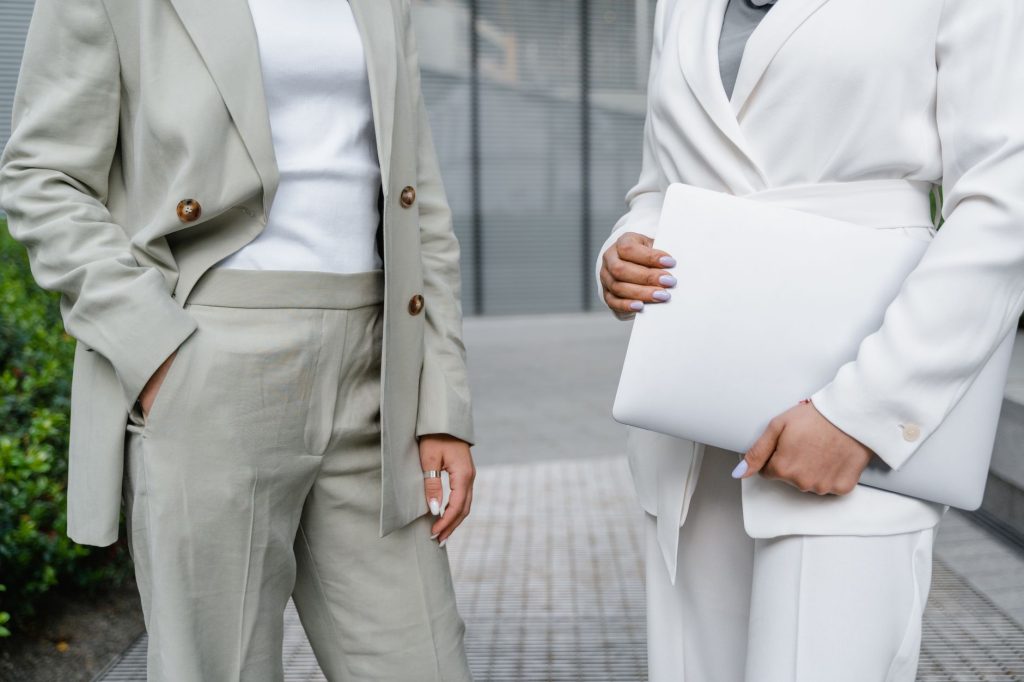
Business attire for women refers to a professional style of clothing that is worn in workplace settings. This attire not only conveys competence and seriousness but also allows for personal style while adhering to workplace norms. Understanding the nuances of business attire is crucial for women navigating corporate environments.
This guide will explore the essential elements of women’s business attire, including outfit ideas, styling advice, and considerations for different dress codes. Whether you’re stepping into a formal business meeting or a more casual workplace, mastering business attire can empower you in your professional journey.
What Is Business Attire For A Woman?
Business attire for a woman typically includes tailored clothing that is formal yet stylish, balancing professionalism with personal flair. It comprises pieces such as blazers, dress pants, skirts, and smart blouses, designed to project confidence and credibility in a work setting.
Essential Elements of Business Attire
Building a versatile business wardrobe requires understanding key elements that fit well together while enhancing your professional image. Let’s break down essential components of women’s business attire.
1. Tops
- Blouses: Choose structured blouses in classic colors like white, cream, or pastel shades. Look for fabrics that hold their shape and are breathable.
- Shirts: Button-up shirts in cotton or silk provide a sharp, tailored look. A fitted design can enhance your silhouette.
- Polo Neck Tops: These can be a casual yet polished option, suitable for business casual environments.
2. Bottoms
- Dress Pants: Opt for tailored trousers that fit well, preferably in neutral colors such as black, navy, or gray. High-waisted styles elongate the legs.
- Skirts: Pencil skirts are classic choices that accentuate the waist and hips; choose knee-length for a polished look.
- Dresses: A-line or sheath dresses can work well, especially when paired with a fitted blazer. Ensure the length is appropriate for the workplace.
3. Outerwear
- Blazers: A well-fitted blazer is essential for layering. Look for versatile styles that can match various outfits.
- Cardigans: A tailored cardigan can add warmth without sacrificing style. Opt for structured cuts over oversized versions.
4. Footwear
- Pumps: Closed-toed pumps in classic colors are a staple. Aim for a heel height that combines comfort with professionalism.
- Flats: Stylish flats or loafers can work well for more casual office settings, providing comfort during long hours.
- Boots: Ankle boots in leather can lend a sophisticated look, especially during colder months.
5. Accessories
- Jewelry: Stick to simple, elegant pieces that won’t distract. Think stud earrings, delicate necklaces, and understated bracelets.
- Bags: A structured tote or handbag can polish off your outfit. Ensure it’s spacious enough for your daily essentials.
- Belts: A well-placed belt can define your waist and pull an outfit together.
Understanding Dress Codes
Not all business environments are created equal, and as such, dress codes can vary significantly. Understanding these codes helps tailor your outfits to specific workplace requirements.
1. Business Formal
This most traditional dress code requires tailored outfits. A fitted suit, either as a pant or skirt suit, complemented by a crisp blouse, is the standard. Shoes should be classic heels or formal flats.
2. Business Casual
This more relaxed style permits a wider array of clothing. It still maintains professionalism; think tailored pants or skirts with blouses or smart tops. Avoid overly casual items like jeans or sneakers.
3. Casual Friday
Many offices adopt a more laid-back dress code on Fridays. Here, you might wear tailored jeans paired with a stylish top and blazer, provided they aren’t distressed or overly casual.
Styling Tips for Professional Appearance
Staying fashionable while maintaining professionalism is possible. Here are some styling tips to ensure you look polished for the office.
1. Fit is Everything
Ensure that your clothing fits well. Ill-fitting garments can detract from your professional appearance. Invest time in tailoring pieces to achieve a flattering silhouette.
2. Play with Color
While neutrals dominate business attire, don’t shy away from color. Subtle hues can introduce personal flair. Consider navy, burgundy, or muted greens to add a bit of personality without overstepping professional boundaries.
3. Textures and Patterns
Introduce texture or patterns through blouses or skirts. Subtle patterns like pinstripes or checks can add visual interest while remaining appropriate. Balance bold patterns with neutral items.
4. Layering Techniques
Layering can add depth to an outfit. A blazer over a blouse creates a sophisticated look. During colder months, consider stylish coats that complement your outfit.
Outfit Ideas for Different Settings
Having specific outfit ideas tailored to various settings can facilitate your morning routine and enhance confidence. Here are outfit combinations for common business environments.
1. Formal Meeting
- Pant Suit: (tailored pants, fitted blazer, simple white blouse)
- Shoes: Classic pumps
- Accessories: Minimalist jewelry and a structured handbag
2. Business Casual Office
- Blouse and Trousers: (flowy blouse, fitted trousers)
- Shoes: Stylish flats or loafers
- Accessories: A statement necklace and a tote
3. Creative Environment
- Smart Dress: (A-line dress in a vibrant color)
- Shoes: Knee-high boots
- Accessories: Colorful handbag and layered bracelets
4. Networking Events
- Chic Separates: (tailored skirt, trendy blouse with a bold jacket)
- Shoes: Heeled ankle boots
- Accessories: Statement earrings and a crossbody bag
Seasonal Considerations
Your business attire should also evolve with the seasons. Adapting wardrobe choices based on climate and time of year keeps your look fresh while ensuring your comfort at work.
1. Spring
- Lightweight blazers in softer shades
- Flowy blouses with floral patterns
- Lightweight trousers or skirts
2. Summer
- Breathable fabrics like linen or cotton
- Dresses in light colors
- Open-toe shoes such as stylish block sandals
3. Fall
- Layered looks with long sleeves and tailored coats
- Earthy tones and rich textures
- Boots to add warmth
4. Winter
- Thermal layers under blouses or shirts
- Wool or cashmere sweaters under blazers
- Closed-toe pumps or ankle boots for warmth
Building a Capsule Wardrobe for Business Attire
A capsule wardrobe simplifies getting dressed and ensures versatility. By choosing key pieces that work well together, you can maximize outfit combinations and reduce decision fatigue.
Essential Capsule Pieces
- 1-2 tailored blazers
- 2-3 smart blouses
- 1-2 pairs of dress pants
- 1-2 pencil or A-line skirts
- 1-2 fitted dresses
- A classic pair of pumps and stylish flats
- Minimalist accessories
Combining Pieces
When building outfits, consider combinations like:
- Pencil skirt + fitted blouse + pumps
- Trousers + tailored blazer + smart top
- Dress + blazer + ankle boots
Sustainable Fashion Choices
Being mindful of sustainability is essential in today’s fashion landscape. Opt for brands that prioritize ethical production or invest in high-quality timeless pieces for longevity.
Tips for Sustainable Shopping
- Look for brands that disclose their sourcing and manufacturing processes.
- Choose natural fabrics over synthetics when possible.
- Opt for versatile items that can transition from workplace to casual settings.
Garment Care for Longevity
Taking care of your business attire ensures that your clothes remain in excellent condition and last longer.
Washing and Maintenance Tips
- Always check care labels for washing and ironing instructions.
- For delicate fabrics, consider dry cleaning to maintain quality.
- Store clothes properly: hang blazers and dresses, fold knitwear to prevent stretching.
Combating Wrinkles
Invest in a good steamer or iron to keep blouses and trousers crisp. For quick fixes, hang garments in the bathroom while you shower to let steam reduce creases.
Conclusion
Understanding business attire for women allows for the expression of personal style while maintaining a professional appearance. By integrating versatile pieces and following the dress code appropriate for your workplace, you can navigate your workday with confidence.
Consider assessing your current wardrobe for essentials and incorporate seasonal trends to freshen it up. With the right combinations, you’ll be ready to face any professional challenge that comes your way.
For further insights, explore related articles on what is business casual for women and details on what is business casual.