Fashion show models are influential figures in the fashion industry, embodying the latest trends and showcasing designers’ collections on runways worldwide. Their primary role is to display garments to the audience, helping fashion enthusiasts visualize how the clothing can be worn and styled in everyday life.
This article will explore what a fashion show model is, the different types of models, the skills required, and insights into how they prepare for shows. Understanding these facets will enhance your appreciation of the fashion world and may even inspire you to incorporate some of their stylistic elements into your wardrobe.
What Is A Fashion Show Model?
A fashion show model is a professional who presents clothing and accessories to potential buyers, press, and the public during fashion shows. Their job involves walking the runway, posing for photographs, and engaging with the audience while showcasing the season’s designs.
Models are essential for the fashion industry as they embody the vision of designers, making their collections come to life. Models can vary widely in terms of size, height, and style, reflecting the industry’s growing push for diversity and inclusivity.
Types of Fashion Show Models
There are several types of fashion show models, each serving a unique purpose in the industry. Understanding these distinctions can give insight into what makes each model’s role special.
Runway Models
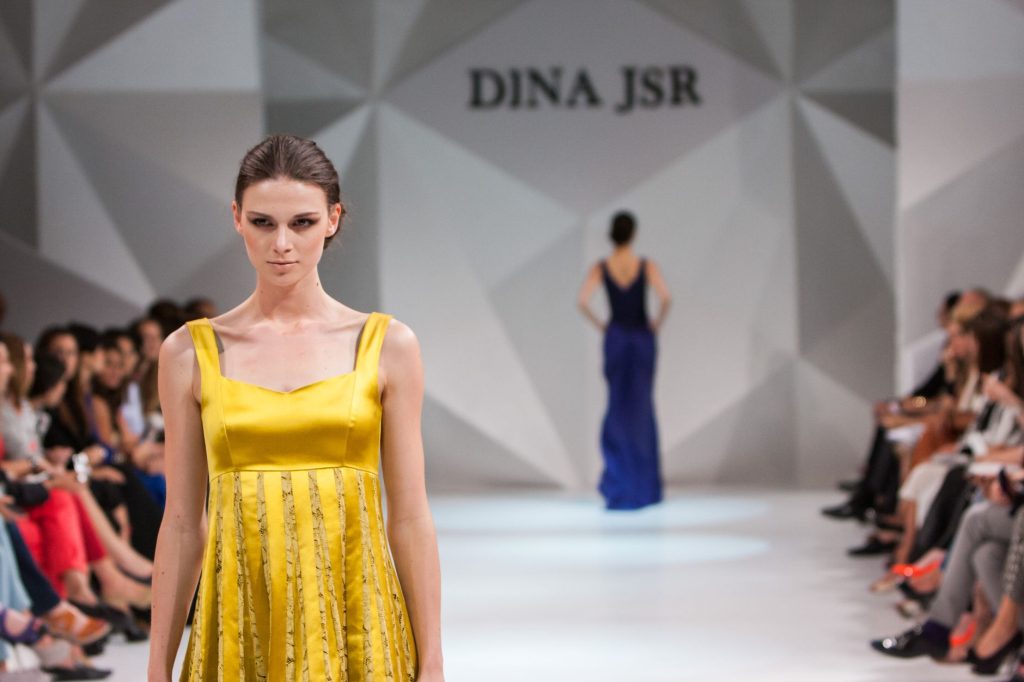
Runway models are the backbone of fashion shows. They walk down the runway, displaying the latest designs during events like New York Fashion Week or Paris Fashion Week. Typically, runway models are taller and have a specific set of physical proportions favored by designers.
Editorial Models
These models often appear in fashion magazines and are known for their unique looks and ability to convey emotion and narrative through their poses. Editorial models may not always fit the traditional mold of height and size, as the emphasis here is on artistry rather than selling garments directly.
Commercial Models
Commercial models represent a broader spectrum of looks and body types, catering to advertisements, catalogs, and e-commerce. They embody the idea of relatability, making products appealing to a wider audience. These models are often featured in campaigns for brands that prioritize inclusivity.
Plus-Size Models
Plus-size models specifically represent fashion for larger body types. Their presence has grown considerably in the fashion industry, challenging traditional beauty standards and promoting body positivity.
Petite Models
Petite models typically measure 5’4″ or shorter. While they may not fit the standard height requirement for runway modeling, they are often featured in commercial modeling, showcasing clothing designed for petite women.
Skills Required to Be a Fashion Show Model
A successful fashion show model possesses a blend of skills that go beyond simply looking good in clothes. Here are some key abilities that aspiring models should develop:
- Walking Technique: Knowing how to walk gracefully and confidently on the runway is paramount. A well-practiced walk enhances the overall presentation of the clothing.
- Posing: The ability to pose effectively for photographs is crucial. Models should know how to highlight the garments in a way that captures interest.
- Body Awareness: Models must be comfortable and aware of their bodies to create strong, appealing shapes in their poses.
- Confidence: Confidence is essential in both walking the runway and interacting with industry professionals. A model’s aura can significantly affect how the audience perceives the clothing they wear.
- Resilience: The modeling industry can be competitive and high-pressure. A successful model must be able to handle rejection and remain dedicated.
How Fashion Show Models Prepare for a Runway Show
Preparing for a runway show is a rigorous process, often involving weeks or even months of hard work. Here are the key steps in preparation:
1. Casting and Fittings
Before the show, models typically attend castings where designers select who will walk for them. If chosen, models go through fittings, where they try on pieces and consult with designers about adjustments needed for the garments.
2. Maintaining Physical Fitness
Many models adhere to strict fitness regimes to ensure they are in peak physical condition. Regular exercise, a balanced diet, and hydration play significant roles in achieving the desired physique.
3. Skincare and Mental Health
Maintaining a clear skin for makeup application and ensuring mental well-being are also crucial. Many models enlist the help of skincare professionals or follow routines to ensure their skin looks flawless during shows.
4. Practice Runs
Models often participate in rehearsals before the actual show to get familiar with the runway layout and practice their walk. This helps reduce anxiety and builds confidence.
The Role of Fashion Show Models Beyond the Runway
While the primary duty of fashion show models is to showcase clothing, their influence extends beyond the runway. Models often work as brand ambassadors, collaborate with fashion designers, and lend their voices to promote body positivity and inclusivity within the fashion world.
Social media has also opened new avenues for models to connect directly with their audience, creating personal brands that transcend the traditional modeling realm. Many leverage platforms like Instagram to share their thoughts on style, promote brand partnerships, and engage with their followers.
Impact of Fashion Show Models on Trends
Fashion show models serve as trendsetters in the industry. Their ability to present clothing in appealing ways influences consumers and trends significantly. Observing how models style outfits, layer garments, or accessorize provides invaluable insights for individuals looking to refine their personal styles.
- Layering Techniques: Models often show how to layer items elegantly, creating depth in their outfits. For example, adding a tailored blazer over a simple dress can transform a look from casual to sophisticated.
- Accessory Choices: Fashion show models might showcase statement earrings or oversized bags, immediately making these items trend. Observing what accessories they wear can inspire how you style your outfits.
- Color Coordination: The colors presented during shows often foreshadow seasonal trends. Taking note of color palettes can help you update your wardrobe and stay trendy.
Building a Personal Style Inspired by Fashion Show Models
By studying fashion show models and their approach to styling, you can cultivate your flair. Here are some practical tips to draw inspiration:
1. Curate a Capsule Wardrobe
A capsule wardrobe focuses on versatility, featuring a few key pieces that can be mixed and matched. Classic items like a well-fitted blazer, white shirt, and quality jeans can be combined in multiple ways, echoing the efficient styling often seen in runway shows.
2. Experiment with Textures
Fashion show models frequently incorporate various textures into their outfits, such as silk, denim, leather, and cotton. Mixing textures adds dimension and visual interest, encouraging you to push creative boundaries.
3. Play with Silhouettes
Emulating the silhouette choices of models can help you find flattering fits for your body shape. Look for styles that accentuate your favorite features, whether it be an A-line dress that adds volume at the bottom or tailored pants that elongate the legs.
4. Accessorize Thoughtfully
Elegant accessories can elevate an otherwise simple outfit. Take notes from runway models on how to style accessories, whether it’s a statement necklace, a chic belt, or eye-catching shoes.
Common Mistakes When Attempting to Emulate Fashion Show Models
While the aim is to draw inspiration from fashion show models, it is easy to fall into common traps. Here are some mistakes to avoid:
- Forgetting Personal Style: Embracing trends is wonderful, but be sure to infuse your personal style into the mix.
- Overdoing It: Striking a balance is vital. Avoid overwhelming an outfit with too many competing elements—less can often be more.
- Neglecting Fit: Fit should always be a priority. Ensure garments flatter your body; whatever was showcased on a model may not necessarily fit you in the same way.
- Ignoring Comfort: Fashion should feel good. If you can’t walk confidently or enjoy being in an outfit, it may not be worth wearing.
Sustainable Fashion and Fashion Show Models
An essential conversation in contemporary fashion is sustainability. Many fashion show models now advocate for environmentally conscious practices and brands that prioritize ethical production. This emerging trend urges consumers to think critically about their clothing choices.
Incorporating sustainable fashion into your wardrobe can take many forms, such as:
- Choosing Second-Hand Items: Thrift shopping not only helps the environment but can lead to discovering unique pieces.
- Investing in Quality Over Quantity: Rather than perpetually buying fast fashion items, consider investing in well-made pieces that will last.
- Supporting Ethical Brands: Research brands with clear ethical practices and only buy from companies committed to sustainability.
Conclusion
Fashion show models play a crucial role in the fashion industry by showcasing the latest looks and influencing trends. Whether you are looking to draw inspiration from their styles or simply appreciate their contributions to the fashion world, understanding their role can elevate your approach to personal style.
Explore our related guides on how to become a model at how to become a model and learn more about the specifics of runway modeling at what is runway modeling.