A model’s portfolio shoot is an essential photography session designed to create a diverse collection of images that showcase a model’s range, versatility, and style. These shoots are critical for both aspiring and established models as they help in securing jobs and contracts, allowing them to present themselves to potential agencies or clients in the best light.
In this article, we will explore the key elements of a model’s portfolio shoot, including the preparation process, styling tips, types of looks to capture, and essential considerations to create an effective portfolio that resonates with the industry.
What Is A Model’S Portfolio Shoot?
A model’s portfolio shoot is a curated photography session aimed at building a collection of high-quality images that display a model’s ability to embody various styles and concepts. It typically includes various outfits, poses, and settings to highlight the model’s versatility and unique features.
The primary purpose of a portfolio shoot is to create a professional presentation that can be showcased to modeling agencies, clients, or brands requiring models for their campaigns. A strong portfolio can significantly enhance a model’s chances of getting hired for modeling gigs, bookings, and collaborative projects.
Understanding the Importance of a Model’s Portfolio
A well-executed portfolio shoot is vital for several reasons:
- First Impressions: A portfolio showcases a model’s potential and first impressions can influence decisions in the competitive fashion industry.
- Versatility: It allows models to demonstrate their ability to adapt to different styles and moods, showcasing their range.
- Professional Presentation: A polished portfolio signals professionalism, indicating that a model is serious about their career.
- Creative Collaboration: It can attract photographers, stylists, and brands who may want to collaborate on future projects.
Preparing for Your Shoot
Preparation is key to a successful portfolio shoot, and it requires thoughtful planning in various aspects. Here are fundamental steps to take:
1. Selecting the Right Photographer
Choosing a photographer with experience in portfolio shoots is crucial. Look for someone whose style aligns with your vision. Assess their portfolio and consider:
- Portfolio: Review their previous work to ensure it resonates with your desired aesthetic.
- Experience: Consider their familiarity with fashion photography and models.
- Comfort Level: Choose someone you feel comfortable with to ease your nerves during the shoot.
2. Choosing the Right Location
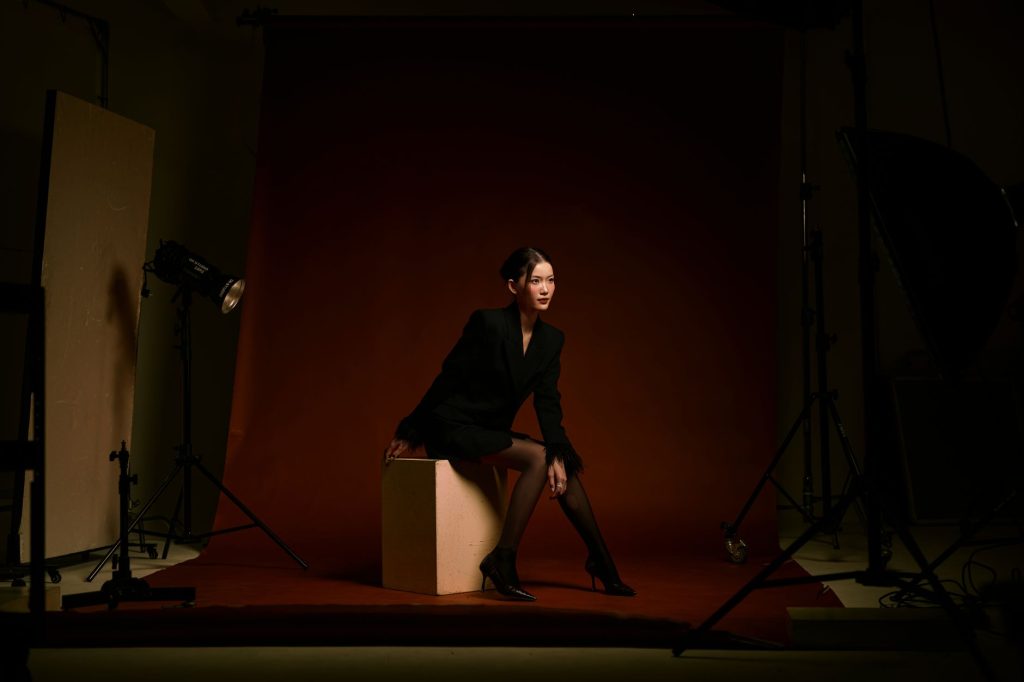
The location can make a big impact on your portfolio. Whether you opt for a studio setting or an outdoor location, ensure it complements your style. Consider the following:
- Background: Choose a backdrop that enhances your outfits without overpowering your presence.
- Lighting: Natural light can create warm, flattering tones, while studio lighting offers a controlled environment.
- Accessibility: Ensure the location is accessible for both you and your photographer.
3. Outfits and Styling
The outfits you choose for your portfolio shoot are essential. Aim for a balance of timeless and trendy pieces that reflect your personal style.
- Variety: Select at least 5-10 outfits that represent different looks, from casual to formal.
- Color Palette: Stick to a cohesive color palette that complements your skin tone and features.
- Fit: Ensure that garments fit well and highlight your body shape effectively.
- Accessories: Incorporate accessories that enhance looks without distracting from the overall aesthetic.
4. Hair and Makeup
Considering your hair and makeup is crucial to your overall appearance. You have two options: doing it yourself or hiring professionals.
- Professional Makeup: A makeup artist can enhance your features while ensuring the look translates well on camera.
- Personal Identity: If you choose to do it yourself, ensure that your makeup reflects your style and is camera-ready.
- Hair Styling: Opt for styles that accentuate your best features—choose from sleek hairstyles to playful curls based on the outfits.
5. Practice Posing
Feeling confident in front of the camera is essential. Consider practicing various poses beforehand to capture a dynamic portfolio. Here are a few tips:
- Angles: Experiment with angles that flatter your body shape. Practice turning slightly to the side instead of facing the camera straight on.
- Expressions: Try various expressions—from smiling to serious—to convey different moods in your photos.
- Body Language: Pay attention to your posture and relax your body to avoid looking stiff.
Types of Looks to Capture
Your portfolio should reflect a range of style categories to demonstrate your versatility. Here are essential looks to consider:
1. Fashion Forward
Includes the latest trends, showcasing a modern and runway-ready vibe. Aim for outfits that incorporate seasonal colors and unique silhouettes.
2. Classic Elegance
Timeless pieces that exhibit sophisticated styling. Think tailored blazers, sleek dresses, or elegant evening wear that highlights your poise.
3. Casual Chic
Looks that reflect everyday comfort while still appearing polished. Incorporate stylish jeans, flowy tops, and trendy sneakers or chic flats.
4. Editorial Style
Focus on creating artistic and conceptual looks that push fashion’s boundaries. Use bold accessories, unconventional colors, and striking poses.
5. Lifestyle and Commercial
Capture what it’s like to wear the clothes in real life settings. Approachable and relatable outfits can attract commercial clients for catalogs or advertising.
Build Your Portfolio: Agency Expectations
Understanding what modeling agencies expect can help you tailor your portfolio. Keep these elements in mind:
- Range of Images: Agencies often look for a strong mix of editorial, commercial, and lifestyle shots.
- Clear Skin Tones: Aim for images that clearly display your natural look, including close-ups that show skin tone and features.
- Professionalism: Quality matters; ensure each image is high resolution, well-composed, and presents you in the best light.
Post-Shoot: Reviewing Your Images
Once the shooting is completed, the next crucial step involves selecting the best images. Here’s how to assess your shots:
- Variety: Ensure you have a range of looks represented in the selected images.
- Quality: Look for images that are well-lit and focused, capturing your features sharply.
- Expression and Posing: Choose images that have strong expressions and body language, showcasing your personality.
Editing Considerations
Editing can enhance your images but should be done thoughtfully. Here are some guidelines:
- Stay True: Edit minimally to retain your natural look; avoid excessive filters or airbrushing.
- Color Correction: Ensure the colors appear vibrant and true to life without oversaturation.
Creating Your Final Portfolio
With the selected images completed, it’s time to create your final portfolio. Follow these steps for a polished presentation:
1. Layout Options
Consider how you want to present your images. Options can include:
- Physical Book: Creates a tactile experience; use high-quality prints.
- Digital Portfolio: Shareable through websites or social platforms; should be mobile-friendly.
2. Contact Information
Ensure to include your contact information, allowing potential collaborators to reach you easily.
3. Consistency
A consistent aesthetic throughout your portfolio makes a better impact. Ensure cohesive colors, styles, and layout design.
Common Mistakes to Avoid
- Overloading on Trends: While it’s great to incorporate current pieces, balance them with timeless styles to ensure longevity.
- Neglecting Professionalism: Opting for budget photographers might compromise the quality of your portfolio; invest wisely.
- Ignoring Feedback: Seek constructive criticism from trusted friends or mentors before finalizing your images.
Staying Current and Evolving Your Portfolio
The fashion industry is ever-evolving, requiring models to refresh their portfolios regularly. Consider these strategies:
- Regular Updates: Every six months or as your style evolves, update your portfolio with new looks, keeping it fresh.
- Embrace Change: Stay open to trying new trends or styles that reflect changing aesthetics in fashion.
- Networking: Attend industry events or fashion shows to gain insights and ideas that can inspire new shoots.
Final Thoughts on Your Model Portfolio Shoot
Executing a model’s portfolio shoot is an exciting process that requires careful planning and creativity. Aim for a diverse and professional collection of images that capture your unique essence and style.
Investing time in each step will not only ensure that you present yourself well but also allow you to shine in the competitive world of modeling. Whether you’re just starting or looking to refresh your portfolio, the tips outlined can aid in conveying your versatility and creativity.
Now, take the leap—plan your portfolio shoot and showcase your unique styles through artful photography.
For those interested in building a strong presence, check out these helpful resources: how to build a model portfolio and learn how models prepare for a photoshoot.