Runway shows are a vital facet of the fashion industry, embodying artistic expression and brand identity. They serve not only as platforms for designers to showcase their collections but also as a barometer for upcoming trends and cultural shifts. Understanding runway shows enhances appreciation for fashion and informs personal style choices.
Whether you are intrigued by the creative aspects of design, the stylistic interpretations present on the runway, or the business side of fashion, runway shows offer valuable insights into what will be trending in seasons to come.
What Is A Runway Show?
A runway show is a live presentation of clothing and accessories curated by fashion designers, typically displayed in front of a select audience, including buyers, media, and influencers. These shows can be part of major events, such as Fashion Weeks held in cities like New York, Paris, Milan, and London, or can occur independently.
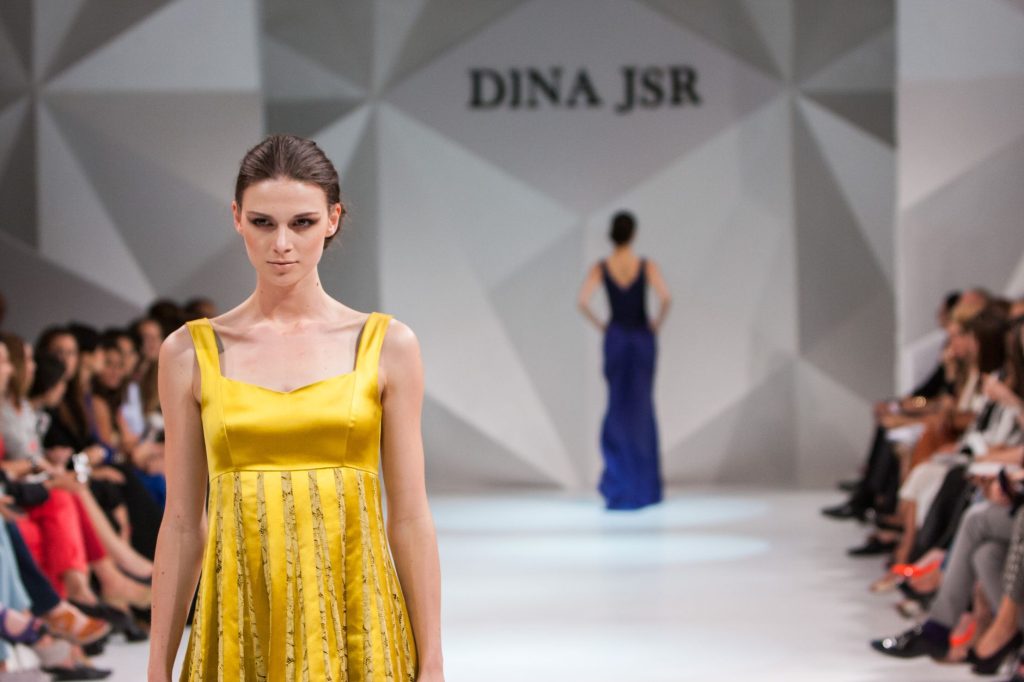
During a runway show, models walk a catwalk or runway, displaying the designer’s latest creations, including ready-to-wear or haute couture collections. This format allows designers to define the aesthetic and narrative of their collections, often accompanied by themed music and unique staging.
The Purpose and Importance of Runway Shows
Runway shows serve multiple functions within the fashion industry. Here are some significant reasons why they are essential:
- Trend Forecasting: They highlight the upcoming trends and color palettes for the season, influencing what consumers will seek in stores.
- Brand Identity: Designers use runway shows to articulate their brand message and vision, creating a signature aesthetic that differentiates them in the market.
- Media Coverage: Runway shows attract attention from fashion journalists and influencers, facilitating publicity that can propel a designer’s career.
- Networking Opportunities: Shows provide a platform for designers to connect with retailers, buyers, and collaborators, promoting beneficial relationships.
How Runway Shows Are Organized
Organizing a runway show involves significant planning and coordination. Factors such as location, models, staging, and music must be considered. The following are the key steps in putting together a runway show:
- Concept Development: Designers conceptualize what their collection represents and how it communicates their artistic vision.
- Show Location: Choosing the ideal venue is crucial. It can be a traditional fashion venue or an unconventional space that aligns with the collection’s theme.
- Model Selection: Casting models who embody the brand’s image and can showcase the clothing effectively is vital.
- Production Design: Creating a unique atmosphere with lighting, set design, and music enhances the overall experience.
- Rehearsals: Multiple rehearsals are conducted to ensure the show runs smoothly, with models practicing their walks and timings.
What to Expect at a Runway Show
Attending a runway show can be an exhilarating experience. Here’s what to expect:
- Seating Arrangements: VIPs and influencers often receive front-row seats, while other guests may sit further back. Seating can signal social status within the industry.
- Pre-Show Buzz: The atmosphere before the show starts can be electric, with attendees discussing what they anticipate seeing.
- The Show Itself: The actual runway experience typically lasts about 10 to 20 minutes, with models strutting down the runway displaying the latest collections.
- Post-Show Reactions: After the show, there is often a mix of excitement and critical discussion, with reviews forming almost immediately on social media.
Styling and Trends From Runway Shows
While runway shows set the stage for future trends, translating them into personal style requires understanding how to adapt these looks practically. Here are some key trends and styling tips:
Color Trends
Colors seen on the runway are often one of the most discussed aspects. Popular choices include:
- Bold Colors: Vibrant hues, such as electric blue or fiery red, create a statement.
- Pastels: Softer shades like lavender and pale yellow offer a fresh look for spring.
- Neutrals: Classic colors, such as beige, gray, and black, remain staples and can be combined for a chic look.
When incorporating runway colors into your wardrobe, consider starting with small accessories or statement pieces, then gradually building out a cohesive look.
Silhouettes
The silhouette is another evolving aspect of runway fashion. Key silhouettes currently trending include:
- Cropped Tops: Often paired with high-waisted bottoms.
- Oversized Blazers: A nod to comfort while maintaining a polished appearance.
- Wide-Leg Trousers: These provide balance and an elegant line.
Experiment with these shapes to find which fits best with your body type and personal style preferences.
Textures and Fabrics
Textile choices can elevate an outfit significantly. Current fabric trends to explore include:
- Luxe Velvets: Perfect for evening wear, adding a touch of decadence.
- Cotton Blends: Versatile for casual styles, breathability is key for comfort.
- Denim Variations: From classic blue to bold patterns, denim is a staple that never goes out of style.
Incorporating various textures adds depth to an outfit and reflects runway inspiration.
Accessorizing Like a Pro
Accessories play a crucial role in completing runway looks. Here are some essential pieces to consider:
- Statement Jewelry: Bold necklaces or oversized earrings can upgrade a simple outfit quickly.
- Bags: Unique handbag shapes or colors can lift your overall appearance.
- Footwear: Choosing the right shoes can make or break an outfit; opt for on-trend items like chunky boots or sleek ankle straps.
Think about how these accessories can enhance the overall aesthetic, bringing runway-inspired flair to everyday wear.
Understanding Dress Codes From Runway Shows
Many runway presentations adopt specific dress codes that reflect the theme or venue. When attending any fashion event, note the expected style. Here are common dress codes to keep in mind:
- Casual: Often relaxed but trendy—think chic denim paired with stylish tops.
- Smart Casual: Balancing comfort with sophistication; tailored pieces and chic accessories work well.
- Formal: Elegant and polished attire is a must; gowns or tailored suits will suffice.
Always aim to dress in accordance with the ambiance of the event while allowing your personal style to shine through.
Runway Shows and Sustainable Fashion
Eco-conscious fashion is gaining traction, influencing runway shows across the globe. Sustainable designers prioritize ethical production, upcycled materials, and transparency in sourcing, which is crucial for modern consumers. Emerging trends in sustainable fashion often seen on the runway include:
- Natural Fabrics: Organic cotton, hemp, and linen are gaining popularity for their low environmental impact.
- Timeless Designs: Classic styles that defy fast fashion encourage consumers to invest in long-lasting pieces.
- Recycling and Upcycling: Showcasing how existing materials can take new forms is a key point for many designers.
Support designers whose ethos aligns with sustainable practices by exploring their collections and sharing the importance of mindful consumption.
Attending A Runway Show: Tips and Etiquette
When attending a runway show, understanding etiquette can enhance the experience. Consider these tips:
- Arrive Early: Punctuality is respected; arriving ahead allows you to settle in and soak up the atmosphere.
- Dress Appropriately: Dress to impress while paying attention to the event’s theme or dress code.
- Put Your Phone Away: Enjoy the live experience; you can always revisit online after the show.
- Network Respectfully: If engaging with others, do so graciously and mindfully of the present moment.
These practices not only enhance your experience but also showcase respect for the designers and their work.
Runway Show Coverage and Trends
In the digital age, runway shows are more accessible than ever. Many designers stream their shows online or share highlights on social media. Online platforms and fashion journalism offer inclusive coverage, providing insights into what’s next in fashion. Following key influencers and magazines can keep you abreast of trends before they hit stores.
Participation in online conversations helps build and reshape trends as consumers influence direction through their preferences. Be an active participant by sharing your opinions and styles inspired by runway releases.
The Future of Runway Shows
As the fashion industry evolves, so does the concept of runway shows. Innovations such as virtual reality presentations, digital-only shows, and sustainability concerns are reshaping how fashion is showcased. This evolution invites a broader audience to participate in the fashion experience.
The blending of technology with traditional runway presentations might lead to new ways of experiencing fashion. Brands are adapting to cater to a tech-savvy audience that values inclusivity and immediacy.
Runway shows will continue to be a critical component of the fashion industry, not just for what they present but for how they engage and inspire different communities. For anyone curious about building their personal style or staying attuned to fashion movements, observing and understanding runway shows is invaluable.
For those eager to deepen their knowledge, explore our articles on the Met Gala and what the Met Gala represents. These pieces offer more insights into fashion events and their impact on the style landscape.