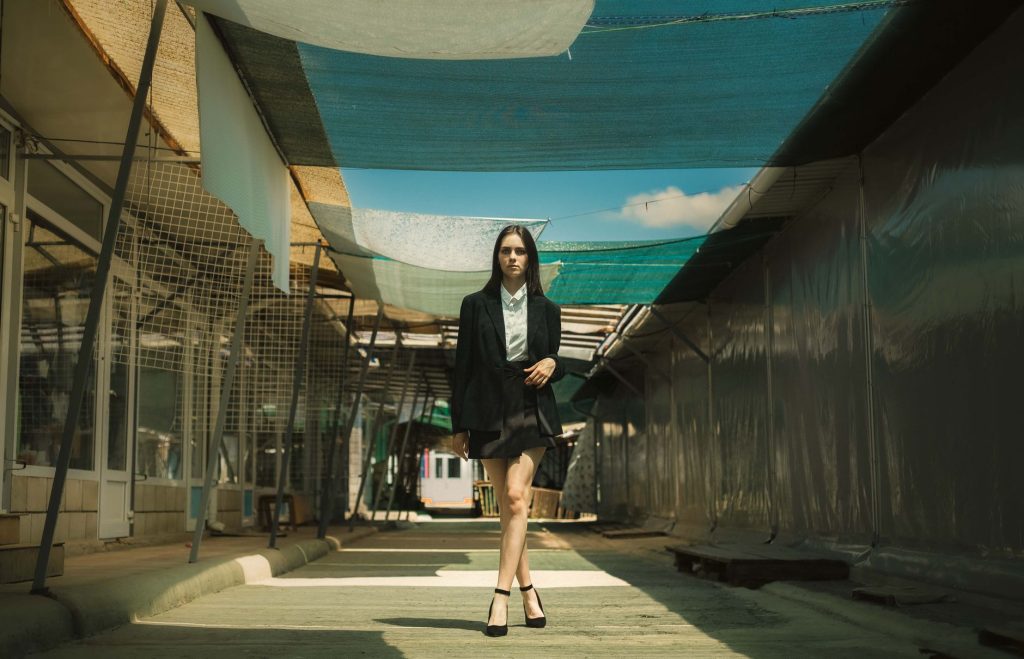
Walking in runway shows requires a special combination of poise, grace, and fashion knowledge that is often the hallmark of professional models. Each aspect of a model’s walk, from posture to pace, plays an essential role in showcasing the designer’s collection effectively. Understanding these elements can also provide valuable insights into personal style and confidence.
In this article, we will explore how models walk in runway shows and the key techniques that make their presence captivating. We’ll break down the techniques, suggest styles you can try, discuss the importance of confidence, and offer tips for creating a runway-inspired personal style.
How Do Models Walk In Runway Shows?
Models walk in runway shows by combining impeccable posture, a signature strut, and detailed attention to the garments they wear. Each movement is designed to highlight the clothing while maintaining an air of elegance and confidence.
The Essentials of a Model Walk
A runway walk is not merely about putting one foot in front of the other. It involves several essential components that models master to create a striking visual impact. Here are the key elements:
- Posture: Models maintain a straight back and aligned neck to project confidence and style. This posture enhances the garment’s appearance and conveys elegance.
- Stride: The stride typically includes long, deliberate steps to create a sense of drama. Models often cross their legs at the ankles to create an elongated silhouette.
- Hips: Allowing the hips to sway slightly while walking adds to the fluidity of the movement. The walk should feel natural without looking forced.
- Foot Placement: Models usually place one foot directly in front of the other, akin to a tightrope walker, to maintain balance and create a clean line. This technique enhances the visual impact of the clothing.
- Arm Movement: Arms should hang naturally and may sway slightly to avoid creating stiffness—this helps keep the walk fluid.
- Facial Expression: A neutral or soft expression is typically preferred, allowing the clothes to remain the focal point. However, smiles may be appropriate depending on the designer and theme.
Practicing the Model Walk
To adorn your personal style with a confident runway walk, practice is essential. Here are practical steps to help you master your own version of the model walk:
1. Find Your Posture
Begin by standing tall. Your shoulders should be relaxed, with a straight back. Imagine a string pulling you up from the top of your head—this visualization will help you maintain excellent posture.
2. Work on Your Stride
When walking, take long strides, and consider using a mirror to check your foot placement. Practice placing one foot directly in front of the other to create a linear effect.
3. Focus on Hip Movement
Practice walking with your hips, allowing them to sway naturally. This motion gives the walk a fluid appearance while also enhancing your silhouette.
4. Arm Coordination
Stand still and let your arms hang at your sides. Practice walking while allowing your arms to move naturally without any tension. This helps to keep your movements fluid.
5. Facial Expressions
Practice smiling or maintaining a neutral expression in front of a mirror. This will help you find the comfortable look that complements your stride.
Outfit Ideas Inspired by Runway Shows
Now, let’s explore a few outfit ideas you can style in your wardrobe that embody the essence of runway fashion. These choices convey both confidence and style, which can complement your personal walk.
The Chic Minimalist
Minimalist fashion remains beloved on the runway. For this look, think clean lines and neutral colors:
- Outfit: A fitted white button-up shirt, high-waisted black trousers, and pointed-toe heels.
- Accessories: A simple black belt, stud earrings, and a sleek crossbody bag.
- Layering: Add an oversized blazer for a polished look.
The Bold Pattern Mixer
Experimenting with patterns adds excitement to your wardrobe. Consider:
- Outfit: A patterned midi dress layered with a solid long coat and ankle boots.
- Accessories: Mix-and-match geometric earrings and a contrasting handbag.
- Color Coordination: Picking colors from your outfit to blend the accessories seamlessly can tie your look together.
The Contemporary Fashionista
This style pushes boundaries effortlessly. An example might include:
- Outfit: A sleek jumpsuit with an exaggerated collar and high-heeled mules.
- Accessories: Statement jewelry, perhaps oversized rings or a chunky bracelet.
- Footwear: Choose shoes that elevate your height while ensuring comfort for self-assurance on your walk.
Seasonal Fashion Inspirations
Adapting your runway-inspired looks to the seasons can keep your style fresh and relevant. Here’s how to adjust your outfits across the year:
Spring/Summer
- Lightweight fabrics such as linen and cotton offer breathability. Bright colors and floral patterns work well during these months. Think flowy skirts paired with fitted tops.
Fall/Winter
- Opt for heavier fabrics like wool or tweed. Layering becomes key. Choose tailored coats over your outfits and pair boots with your clothing for warmth and style.
Creating a Capsule Wardrobe
To refine your personal style, consider building a capsule wardrobe inspired by fashion shows. This approach emphasizes versatility and timelessness, allowing for multiple outfit combinations without excess hassle.
Wardrobe Essentials
Here’s a list of staple items for a capsule wardrobe:
- Classic white button-up shirt
- Tailored black trousers
- Fitted blazer
- Little black dress
- High-quality denim jeans
- Neutral t-shirts
- Versatile footwear (e.g., loafers, ankle boots, and simple sneakers)
- Minimalist bags
Accessorizing with Purpose
Accessories can transform standard outfits into runway-worthy ensembles. Consider these tips to ensure your accessories enhance rather than overwhelm your look:
- Less is Often More: Pair bold pieces with simple outfits to create a statement without cluttering.
- Match Styles: Ensure that your accessories reflect the overall vibe of your outfit. For instance, polished metals go well with sophisticated attire.
- Balance Proportions: Use accessories to balance your silhouette. If wearing a voluminous dress, opt for streamlined accessories.
Footwear: The Foundation of a Great Walk
Footwear is a critical aspect of both comfort and style. Here are factors to consider when choosing shoes:
- Height: Heels can elongate the legs, but choose styles you can walk confidently in. Block heels and wedges offer support.
- Fit: Ensure shoes are the correct size, providing comfort and avoid pinching that can distract from walking.
- Style: Whether elegant strappy heels or chic ankle boots, align your footwear choice with your outfit theme.
Colors and Fabric Choices
Understanding color coordination and fabric choices can further enhance your personal style. Here are tips:
Color Coordination
Choose colors that complement your skin tone and figure. Neutrals offer versatility, while pops of color can express individuality:
- Soft Neutrals: Consider beige, cream, and taupe for a sophisticated palette.
- Bold Hues: Incorporate vibrant colors to showcase personality; just make sure to balance them with neutral tones.
Fabric Variety
The choice of fabric not only influences comfort but also visual appeal:
- Cotton and Linen: Ideal for summer garments.
- Silk and Satin: Excellent for a dressy occasion, providing an elegant drape.
- Wool and Cashmere: Perfect for fall and winter, keeping you warm while looking chic.
Caring for Your Garments
To maintain the longevity of your fashion pieces, follow proper care instructions:
- Read Labels: Always check care labels for washing instructions and drying methods.
- Storage: Hang tailored garments to maintain shape and fold delicate pieces to avoid stretching.
- Cleaning: Regularly wash clothes according to fabric type; for delicate fabrics, a gentle cycle or hand washing may be required.
Shopping Tips for Runway-Ready Outfits
When shopping, consider these tips to ensure you make thoughtful purchases:
- Research Brands: Understand the designers and brands you are buying from; look for ones that resonate with your style.
- Fit is Key: Find pieces that fit well or can be tailored to your body, as a great fit makes any outfit look more polished.
- Budget Priorities: Prioritize quality over quantity. It’s better to invest in fewer high-quality pieces than to have a large collection of items that won’t last.
By understanding the art of the model walk and combining it with confident styling, you can express your unique personality while channeling runway-inspired fashion. Remember that the key is not just in the clothes but how you carry them with poise.
To take your fashion knowledge further, explore how to become a model with our guide or discover more about fashion modeling. Dive into the world of style and elevate your wardrobe.