The journey to becoming a model is often filled with exciting opportunities, but it also comes with a variety of costs that aspiring talent should be prepared for. Understanding these financial aspects will not only help you budget effectively but also enable you to make informed choices as you embark on your modeling career.
From initial portfolio expenses to ongoing maintenance costs, we will explore the various facets that contribute to the overall financial commitment of entering the modeling industry. Whether you’re interested in fashion, commercial, or plus-size modeling, understanding these expenses is crucial for navigating your path.
How Much Does It Cost To Become A Model?
Becoming a model can range in cost from a few hundred to several thousand dollars, depending on your goals and the type of modeling you pursue. Key expenses include portfolio development, agency fees, training, and lifestyle costs, all of which vary based on individual circumstances.
Initial Investment: Portfolio Development
A professional modeling portfolio is critical for breaking into the industry. Here’s what to consider:
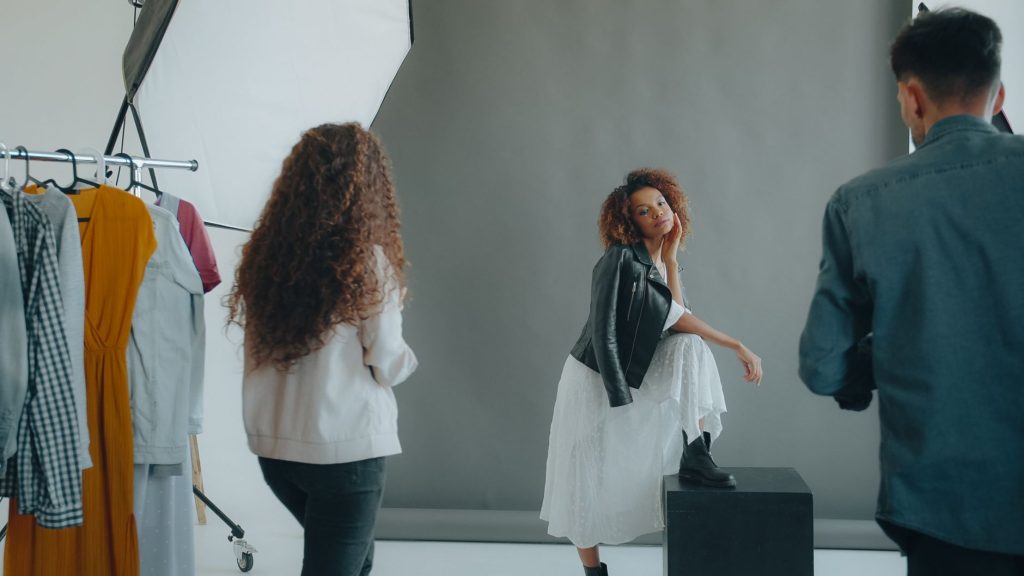
- Photographer Fees: Hiring a professional photographer can cost between $300 to $2,000, depending on their experience and package options. A good photographer will not only take high-quality photos but will also help guide the shoot to highlight your best features.
- Styling Costs: You may wish to hire a stylist or pay for wardrobe choices to ensure your shoot showcases versatility. This can range from $150 to $800.
- Editing Fees: Post-production work is often necessary to ensure your photos meet industry standards. Editing costs can be between $50 to $500, depending on the number of photos you have and the complexity of edits required.
In total, you could expect to spend anywhere from $500 to $3,300 for a basic portfolio setup. However, this serves as an essential investment as your portfolio is your calling card in the industry.
Agency Fees and Representation
Most models work with agencies that help them find jobs and negotiate contracts. While some agencies do not charge upfront fees, others have associated costs:
- Agency Fees: Many reputable agencies do not require a fee to take you on, but some may charge a small administrative fee to cover initial paperwork and processing.
- Commission Rates: Agencies typically take a commission of 10% to 20% from a model’s earnings. This percentage will often influence how much you take home from a job.
Choosing the right agency can determine your earning potential, so thorough research is essential. Make sure to read reviews and check the agency’s track record and reputation.
Model Training and Workshops
Many aspiring models choose to invest in training programs or workshops to build their skills and boost confidence.
- Modeling Schools: Tuition for modeling schools can vary, typically ranging from $500 to $5,000 for courses. These schools often provide runway training, posing techniques, and industry insights.
- Workshops and Masterclasses: Short workshops can be more affordable, usually between $50 to $400 per session. Many models attend workshops to learn specific skills or refine their craft.
While training can be beneficial, it is essential to evaluate if the program is reputable and aligns with your personal career goals.
Lifestyle Costs
Launching a successful modeling career also involves lifestyle expenses that you should be prepared for. Key elements include:
- Wardrobe: Investing in quality clothing and accessories is essential, particularly if you are pursuing fashion modeling. You may spend $500 to $2,000 on versatile pieces that can cater to various bookings.
- Networking Events: Attending industry events, shows, or networking dinners might cost $20 to $500 per event and are valuable for meeting industry professionals.
- Transportation: Depending on where you live, travel costs to castings, jobs, or events can add up. Consider budgeting for public transportation or vehicle expenses, possibly $50 to $200 per month.
Having a strong foundational wardrobe and being present at networking events can significantly improve your visibility and opportunities within the industry.
Ongoing Costs Throughout Your Career
Once you establish yourself in the modeling world, ongoing costs will continue to arise. Consider the following:
- Portfolio Updates: As you gain experience, you will want to update your portfolio regularly. This could mean spending $300 to $1,500 every year to keep your portfolio current and reflective of your evolving style.
- Professional Development: Even seasoned models may continue with training to refine skills or adapt to industry shifts, which can be an additional $100 to $500 annually.
- Health and Fitness: Maintaining physical health is crucial in modeling. Gym memberships, personal trainers, and healthy food options can cost $100 to $300 per month.
Recognizing these costs will help you budget for sustaining your career over time. Staying informed about industry standards will also enhance your chances of longevity in modeling.
Financial Considerations by Modeling Type
The costs of entering the industry can also differ based on the type of modeling pursued. Below are various modeling types and their unique financial aspects:
Fashion Modeling
Fashion models working on runways or high-end shoots typically face higher costs due to the expectations surrounding their appearance.
- High Fashion Portfolio: Expect to invest more in luxury clothing and photographer fees, totaling $1,000 to $4,000 for initial setups.
- Frequent Updates: With trends changing seasonally, regular portfolio updates will incur ongoing costs.
Commercial Modeling
Commercial models often work in advertising and media, and the associated costs tend to be lower compared to high fashion:
- Portfolio Flexibility: A diverse portfolio showcasing everyday looks—usually a little less extravagant—can still cost around $500 to $2,000.
- Wider Casting Opportunities: This category often includes more stable job prospects with longer contracts.
Plus-Size Modeling
Plus-size modeling has gained traction in recent years, and while costs mirror some aspects of traditional models, the added need for a varied wardrobe is prominent:
- Stylish Wardrobe Choices: Investing in diverse, trendy clothes may result in a higher budget for wardrobe spending of $600 to $2,500.
- Market Opportunities: The demand for plus-size models is growing, creating ample opportunities for work without overly high costs.
Tips for Managing Your Costs
While embarking on a modeling career can be expensive, here are some practical tips for managing costs:
- Research: Before making any investment, conduct thorough research on photographers, agencies, and schools to find reputable options that fit your budget.
- Collaborations: Consider collaborating with up-and-coming photographers, stylists, or makeup artists to expand your portfolio at a lower cost.
- Networking: Use social media platforms like Instagram to network and connect with industry professionals, potentially leading to cost-effective opportunities.
Affiliating with a supportive community can greatly ease your financial burden and open doors to valuable insights and resources.
Understanding Earnings Potential in Modeling
As you navigate costs, understanding potential earnings can inform your financial strategies:
- High Fashion Models: May earn between $10,000 to $200,000+ per job, depending on the project scope.
- Commercial Models: Generally earn $2,000 to $10,000 per campaign, with consistent bookings making it a stable income stream.
- Plus-Size Models: Also range in earnings from $3,000 to $15,000 per job, correlating with brand partnerships and how well the demographic is represented.
By factoring in these potential earnings, you can evaluate how long it may take to recover your initial investments and how to plan for future expenses.
Evaluating Your Investment
It’s essential to assess whether the costs of becoming a model align with your expectations and aspirations in the industry:
- Realistic Goals: Clearly define your personal goals and consider whether the financial commitment is manageable for you.
- Duration of Engagement: Ask yourself how long you’re willing to commit to this lifestyle and how you can balance these costs with your other financial responsibilities.
- Commitment Level: Recognize that a successful modeling career often requires perseverance and adaptability, both of which contribute to long-term investment.
Taking a moment to pause and evaluate your situation can ensure that your investment in modeling is one that aligns with your future goals.
Becoming a model can involve significant financial commitments — from portfolio creation to ongoing expenses. However, with careful planning, strategic investments, and an understanding of your market potential, you can navigate this dynamic industry successfully.
Explore further by checking out our guides on how to become a model and how much top models earn for more comprehensive advice and insights.