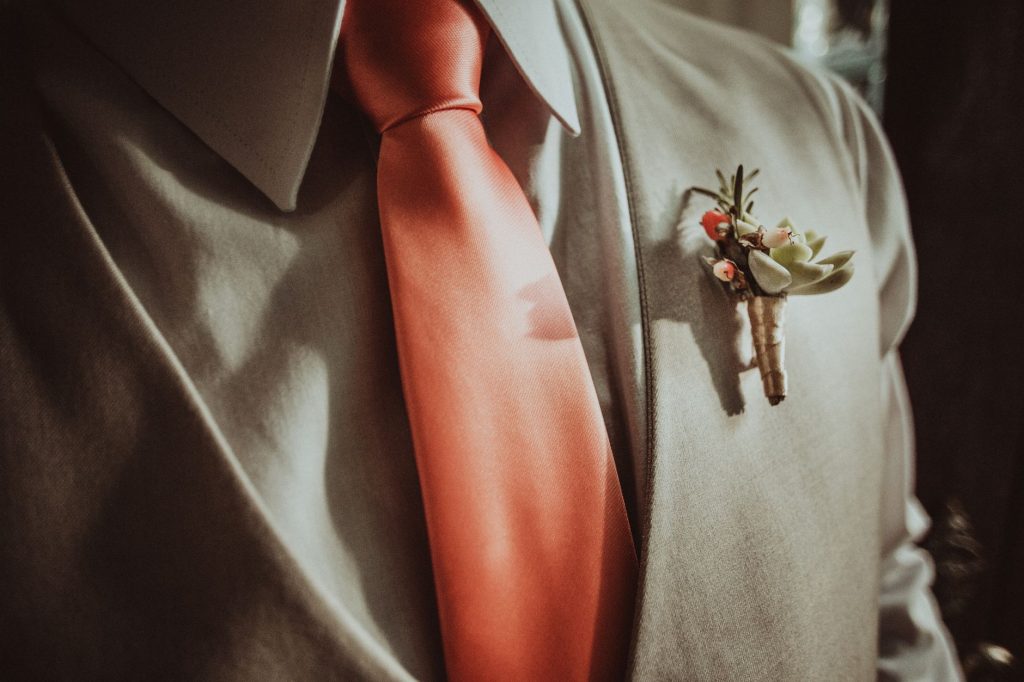
Determining the appropriate length of a tie is essential for achieving a polished and professional appearance. While tie styles may vary, understanding the general guidelines for tie length can help you make a stylish impression, whether in the boardroom or at a formal event. This article covers everything you need to know about the ideal tie length, different knot styles, and how to ensure your tie complements your outfit.
From classic neckties to more modern variations, knowing how long a tie should be is crucial for ensuring that your style is not only polished but also appropriate for various settings. This guide will help you navigate tie length considerations, giving practical advice for different occasions and body types.
How Long Should A Tie Be?
The ideal length for a tie typically falls between the waistband and the top of the belt buckle. For most men, this translates to approximately 57 to 67 inches in total length. However, the perfect tie length can vary based on individual height and body type. Taller individuals may require longer ties, while those who are shorter might opt for ties on the shorter end of the spectrum.
Measuring for Tie Length
To ensure the perfect length, start by measuring from your collar down to where you want the tip of your tie to fall. Here are the steps to accurately measure for a tie:
- Put on the shirt you plan to wear with the tie and button it up, including the collar.
- Stand up straight and measure from the bottom of the collar down to the desired point on your waistband.
- Adjust your measurement if you will be wearing a specific knot that may require more or less length.
Selecting the Right Tie Based on Your Height
Understanding how your height plays a key role in selecting the right tie length can help you achieve a more balanced look. Below are general recommendations based on different height categories:
- Short (5’3″ – 5’6″): Ties that are 55 to 58 inches are generally preferable.
- Average (5’7″ – 6’0″): Ties in the 57 to 60-inch range will usually work best.
- Tall (6’1″ and above): Consider ties that are 60 to 67 inches long for better proportions.
Understanding Tie Knots and Their Impact on Length
The type of knot you choose to wear can also affect how long your tie appears. Different knots utilize varying amounts of fabric, resulting in distinct lengths and impacts on tie positioning. Here are some common knots and how they affect tie length:
- Four-in-Hand Knot: This is a slim and slightly asymmetrical knot, making it a good choice when you want your tie to appear longer.
- Windsor Knot: A fuller and more symmetrical knot, it uses up more tie fabric, generally making the overall tie appear shorter.
- Half Windsor Knot: This is a middle-ground option that offers a nice balance between the Four-in-Hand and Windsor knots as far as size goes.
Styling Tips for Different Occasions
The appropriate tie length can depend on the occasion and the overall look you are aiming for. Here are some guidelines:
Formal Occasions
For weddings, galas, or black-tie events, it is critical that your tie falls correctly. Opt for a longer tie and a more substantial knot, such as the Windsor, to ensure a polished look. The tie should meet your belt line, ensuring that you make a powerful statement. Consider classic tie colors or patterns, such as navy or black for formal occasions.
Business Attire
In a professional setting, a tie should typically be less imposing yet still well-fitted. Choose a tie that complements your suit and dress shirt. For business meetings, a traditional Four-in-Hand knot works well, allowing the tie to fall within the ideal range. Neutrals or subtle patterns are advisable for a classic corporate environment.
Casual Settings
For casual outings, the rules can be relaxed. You can opt for ties that are slightly shorter or knotted in a more relaxed style. Pair a more casual tie with a dress shirt and blazer for an effortlessly stylish outfit. Cool colors and lighter materials can also help fit the more laid-back vibe of a casual setting.
Factors That Affect Tie Length Perception
Several elements can influence how a tie length is perceived. Understanding these factors can provide insights into achieving the right look:
Shirt Style
The collar of your shirt can play a significant role in how a tie hangs. For example, a spread collar often looks best with a wider knot, while a point collar can pair well with various knot styles, affecting overall length perception.
Body Type
Your body proportions can impact how long a tie seems on you. If you are taller, consider longer ties to maintain proportion, whereas shorter individuals may look better with shorter ties to avoid overwhelming their frame.
Fabric Choice
The fabric of the tie can also influence its appearance. Heavier materials like silk or wool might drape longer, while lighter fabrics such as cotton may offer a more casual look.
Caring for Your Ties
To maintain the ideal length and appearance of your ties, proper care is essential. Here are key care tips:
- Storage: Store ties hung up or rolled to prevent creasing.
- Cleaning: Refer to care labels for specific cleaning instructions; most ties will benefit from dry cleaning.
- Ironing: If necessary, use a low heat setting and a cloth to protect the fabric while pressing out creases.
Investing in a Versatile Tie Collection
A well-rounded tie collection is essential for adapting your style for various occasions. Here are some essential styles you should consider adding to your wardrobe:
- Solid Neutrals: Ties in colors like navy, grey, and black can be paired with most outfits.
- Patterened Ties: Stripes, dots, or florals can add personality to your look.
- Seasonal Colors: Look for ties that reflect seasonal hues—pastels for spring, bold colors for fall, and deeper shades for winter.
Common Mistakes to Avoid
While selecting and wearing ties, it’s easy to make errors that can detract from your overall style. Here are some common pitfalls and tips to avoid them:
- Too Short or Too Long: Ensure your tie does not fall above your waistband or hang too low. Aim for the beltline for the ideal length.
- Inappropriate Knot Size: Choose a knot suitable for your collar type to ensure a polished appearance without looking cramped.
- Clashing Patterns: When wearing patterned ties, balance them with solid-color shirts and suits to avoid visual overload.
The Future of Ties: Trends to Watch
As fashion evolves, so too do tie styles and trends. Here are some current trends in ties that you might consider exploring:
- Skinny Ties: Slimmer ties are gaining popularity, especially in more casual settings or among the younger crowd.
- Textured Fabrics: Ties made from unique materials like knit or tweed are making waves for their relaxed yet sophisticated look.
- Bold Colors and Patterns: Bright colors and unusual patterns can showcase personality, making a statement in professional or casual settings.
Conclusion
Knowing how long a tie should be is vital for creating a well-balanced and stylish appearance. By considering your height, the tie knot, and your overall outfit, you can make informed choices that enhance your look for every occasion. Whether you’re investing in a few versatile ties or experimenting with trendy styles, the right length is key to unlocking the full potential of your wardrobe.
For more styling tips and fashion advice, check out our guide on what to wear to a casual wedding or learn more about business casual attire.