
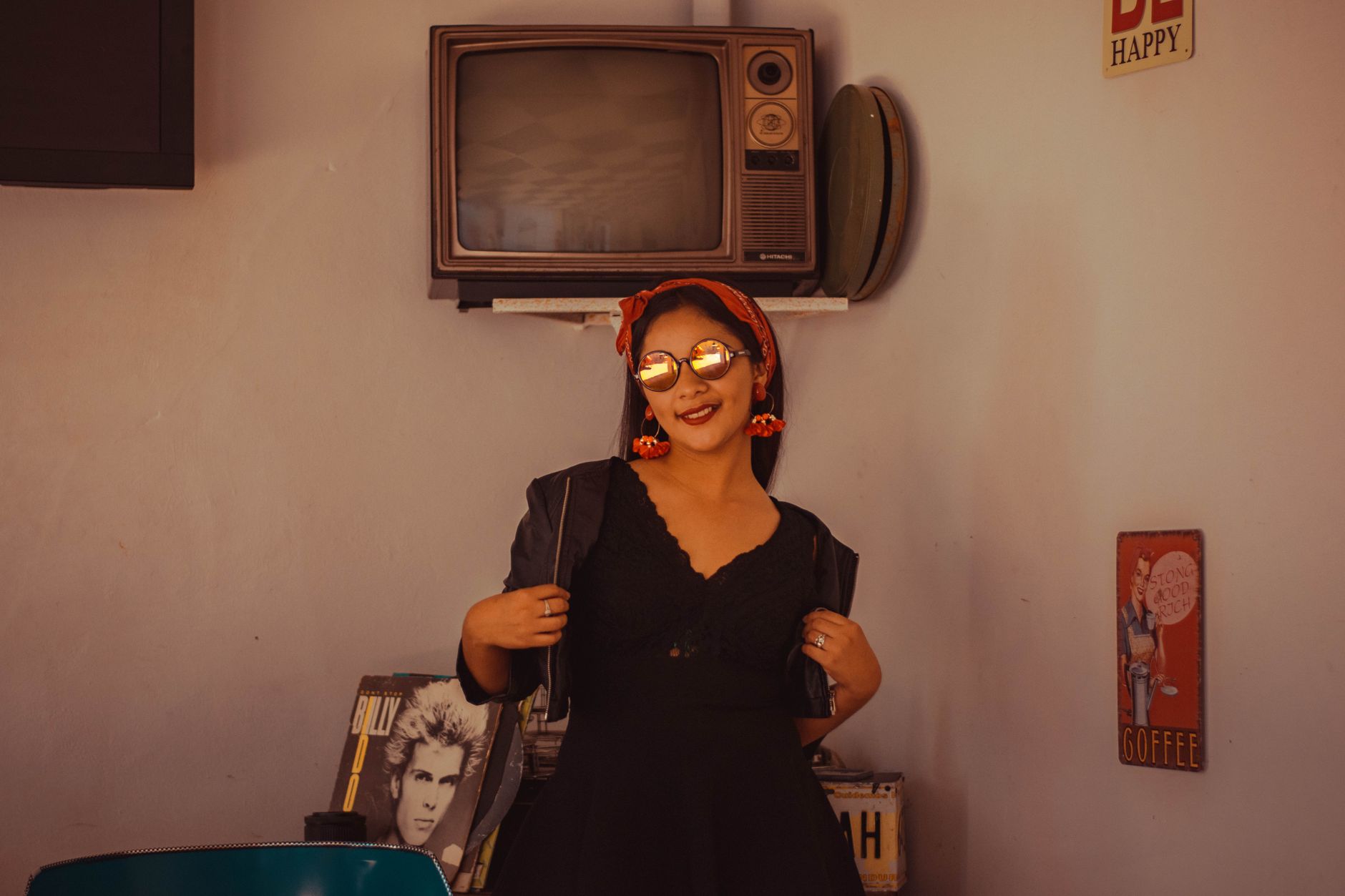
Vintage clothing refers to garments that are at least 20 years old and often represent the distinctive styles and trends of a particular era. These pieces are characterized by their unique craftsmanship, fabric quality, and timeless appeal, making them highly sought after by fashion enthusiasts and collectors alike.
As the fashion landscape continues to evolve, vintage clothing serves as a fascinating bridge connecting contemporary aesthetics to the past. Whether you are looking to cultivate a specific retro look or simply add unique pieces to your wardrobe, understanding vintage clothing can significantly enhance your style journey.
What Is Vintage Clothing?
Vintage clothing is defined as second-hand garments that evoke the style or character of a previous era, typically spanning from the 1920s to the 1990s. The charm of vintage lies in its ability to tell a story—each piece may carry a history that reflects the social and cultural climate of the time.
The key characteristics that classify clothing as vintage include its age, style, and quality. Typically, vintage clothing should be at least 20 years old, though some may argue that pieces from the ’90s are also included as they still retain a sense of nostalgia.
Why Choose Vintage Clothing?
Choosing vintage clothing offers numerous benefits, making it an appealing option for fashion lovers:
- Unique Style: Vintage pieces are often one-of-a-kind, helping wearers stand out in a world of fast fashion.
- Quality Craftsmanship: Many vintage garments were made with superior materials and construction methods compared to many contemporary items.
- Sustainability: Wearing vintage reduces waste and promotes a more sustainable approach to fashion.
- Nostalgia: Vintage clothing can evoke memories tied to specific cultural moments or personal experiences.
How to Wear Vintage Clothing
Incorporating vintage items into your wardrobe can be both fun and stylish. Here are some practical outfit ideas:
Casual Vintage Look
- Bottom: High-waisted denim jeans from the ’80s paired with a graphic tee.
- Outerwear: A denim jacket or a vintage bomber jacket.
- Shoes: White sneakers or vintage loafers for comfort.
- Accessories: Retro sunglasses and a crossbody bag.
By mixing vintage denim with modern tees, you create a balanced look that feels current yet nods to the past.
Smart Vintage Ensemble
- Dress: A 1960s A-line dress for a feminine touch.
- Outerwear: A fitted blazer for structure.
- Shoes: Pointed-toe flats or vintage heels.
- Accessories: A vintage clutch and statement jewelry.
This look can be perfect for office wear or an elegant dinner, blending retro charm with contemporary professionalism.
Styling Tips for Vintage Clothing
When styling vintage pieces, consider these tips to ensure that your outfit feels cohesive and stylish:
- Mix and Match: Pair a vintage top with modern bottoms or vice versa to create a balanced look.
- Accessorize Wisely: Use accessories to modernize or complement vintage pieces. For instance, a chunky modern belt can elevate a vintage dress.
- Layering: Don’t shy away from layering; try a vintage patterned shirt under a solid sweater for a touch of personality.
- Fit is Key: Make sure that vintage garments fit well. Tailoring can be a worthwhile investment to achieve the perfect fit.
Choosing Colors and Patterns
Color and pattern selection can significantly impact how vintage clothing looks and feels. Here’s how to navigate these aspects:
- Solid Colors: These often work well for a classic look. Try pairing a solid vintage top with patterned bottoms.
- Florals and Prints: Vintage florals are perfect for summer, particularly in dresses or blouses.
- Earth Tones: Inspired by the ’70s, these shades work beautifully across different seasons and can be paired with neutral tones.
- Accessories: When wearing bold prints, keep accessories simple to avoid overwhelming the look.
Understanding Fit and Proportions
When it comes to vintage clothes, fit can vary greatly from modern sizes. Here are a few guidelines to consider:
- Know Your Measurements: Vintage sizing can differ. Measure your bust, waist, and hips to compare with size charts for the period.
- Tailor When Necessary: Consider having garments tailored to fit your body perfectly. Vintage garments may require adjustments for a flattering silhouette.
- Proportions Matter: Pair loose-fitting vintage pieces with tailored items for balance. For example, a flowy skirt goes well with a fitted vintage top.
Taking Care of Vintage Clothing
Proper care is essential to preserve the quality and longevity of vintage clothing. Here are some care tips:
- Read the Label: Always follow the care instructions on each garment’s label.
- Spot Clean: If possible, avoid full washing. Spot clean stains with a gentle solution to prevent damage.
- Storage: Store vintage clothing in a cool, dry place away from direct sunlight to prevent fading and deterioration.
- Dry Cleaning: Use a professional vintage fabric dry cleaner, as they will understand how to treat delicate materials.
Exploring Vintage Shopping Options
Discovering vintage clothing can be an exciting adventure. Here are a few popular methods to explore:
Thrift Stores
Thrift stores often have a rotating selection of vintage goodies. Spend time browsing different sections and get creative!
Estate Sales and Flea Markets
These venues can offer unique finds directly from previous owners. Here, you’re likely to stumble upon rare vintage pieces with character.
Online Vintage Stores
- E-commerce Platforms: Sites like Etsy and Depop focus on vintage pieces from independent sellers.
- Specialty Vintage Shops: Many retailers specialize exclusively in vintage clothing, providing curated selections.
Identifying Quality Vintage Pieces
When shopping for vintage clothing, understanding how to identify quality is crucial. Here are some factors to consider:
- Fabric: Check for natural fibers such as cotton, wool, and silk for durability and comfort.
- Stitching and Construction: Inspect the seams; vintage clothing often utilized strong stitching, which contributes to longevity.
- Brand Reputation: Certain brands are renowned for their vintage quality. Familiarize yourself with labels known for their craftsmanship.
Popular Vintage Clothing Trends
Several trends emerge regularly in the vintage clothing realm. Here are some current highlights:
- 1980s Power Suits: Bold colors and oversized silhouettes continue to make a statement.
- Bohemian Styles: Flowy fabrics and earthy tones inspired by the ’70s are popular in casual wear.
- 90s Streetwear: Vintage logo tees and baggy jeans reflect the nostalgic flair of the era.
Building a Vintage Capsule Wardrobe
A capsule wardrobe is comprised of versatile pieces that can be mixed and matched. Here’s how to create a vintage capsule wardrobe:
- Choose a Color Palette: Select a cohesive color scheme that you love.
- Pick Essential Pieces: Consider vintage jeans, versatile tops, a statement dress, and a classic jacket.
- Accessorize: Include vintage jewelry, hats, and bags to elevate your looks.
- Focus on Versatility: Ensure each piece can be styled in various ways for multiple occasions.
Conclusion and Next Steps
Understanding vintage clothing involves exploring its unique history, incorporating it into your wardrobe thoughtfully, and embracing its timeless appeal. As you venture into the realm of vintage, keep these tips and considerations in mind to build a stylish and sustainable wardrobe.
If you are eager to learn more about incorporating vintage into your style, check out our guides on how to wear vintage clothing and how to shop estate sales for vintage fashion.