
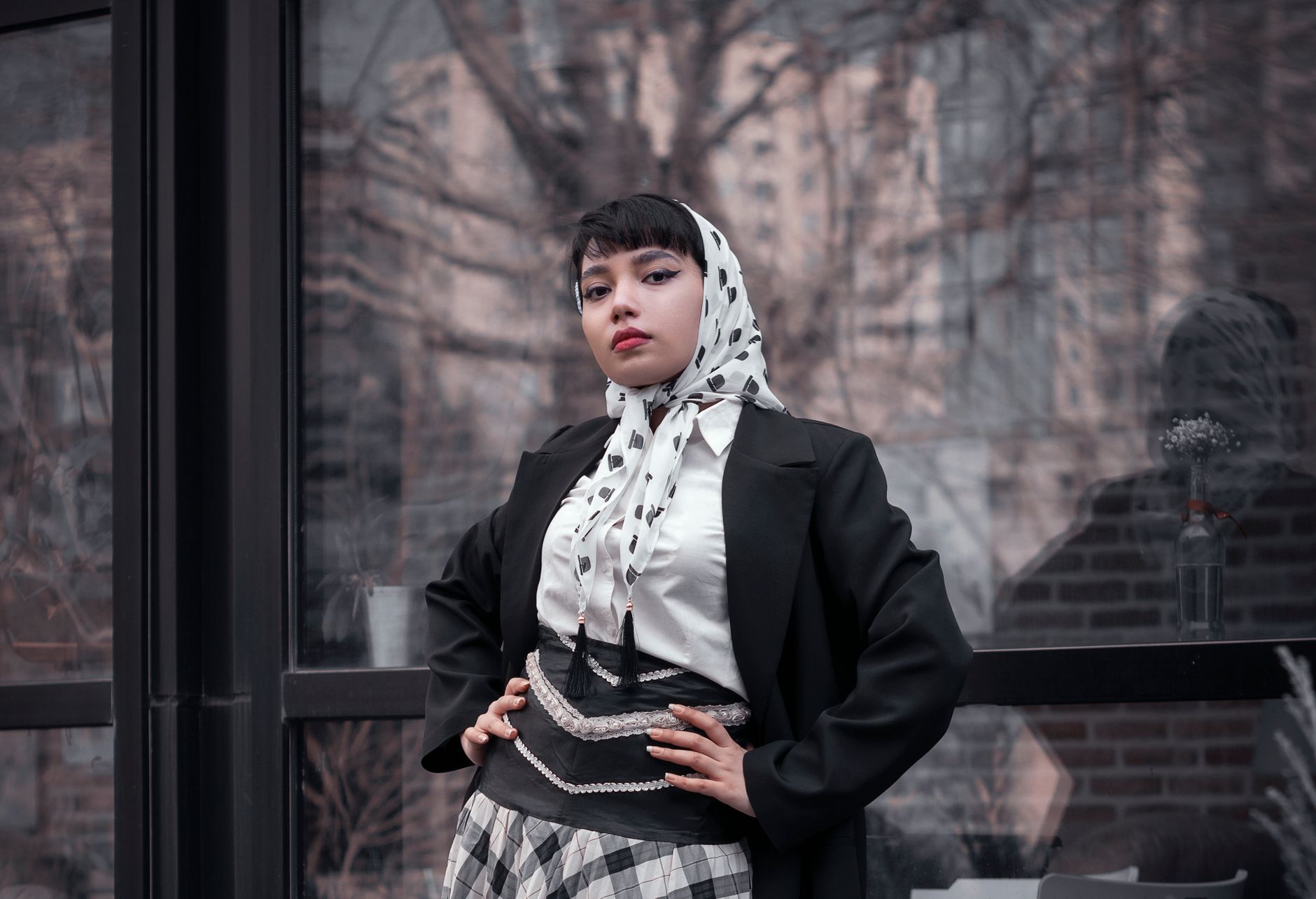
Iranian fashion blends rich cultural heritage with contemporary trends, showcasing an intricate tapestry of styles, textiles, and traditional craftsmanship. From vibrant prints to flowing silhouettes, the fashion landscape in Iran is as diverse as its people, invigorating wardrobes both within the nation and beyond.
Understanding what defines fashion in Iran requires an appreciation of its history, regional influences, and evolving social norms. This article explores outfit ideas, styling advice, seasonal trends, and necessary wardrobe essentials that reflect Iran’s unique sartorial identity.
What Fashion Influences Exist in Iran?
The interplay of historical, cultural, and climatic factors creates a distinct canvas for Iranian fashion. Traditional garments often reflect regional identities, with the paisley pattern originating from Persia and handwoven textiles showcasing the country’s artisan skills. Today, both local designers and global trends shape the contemporary fashion scene.
Traditional Garments and Their Modern Interpretations
Understanding Iranian fashion begins with awareness of traditional garments such as the chador, manteau, and koum. These pieces communicate cultural narratives and are often reinterpreted in modern wardrobes.
The Chador
The chador is a full-body cloak often worn by women in public. While traditionally black, contemporary versions may come in various colors and patterns, allowing for individual expression.
The Manteau
The manteau is a long coat, typically paired with a headscarf, that reflects sophistication while adhering to modesty requirements. In urban areas, you can find manteaus with unique cuts, fabrics, and embellishments that add flair to the ensemble.
The Koum
This traditional dress is characterized by its embroidery and is often embellished with colorful threads. Modern interpretations can feature lighter fabrics that shift seamlessly from day to night.
Outfit Ideas for Different Occasions
In Iran, dressing appropriately for different occasions is crucial. Here are some outfit formulas that combine traditional elements with modern fabrics for various settings:
Casual Outing
- A long, flowing manteau paired with straight-leg jeans and a simple cotton tee.
- Lightweight flats or low-heeled shoes, ideal for walking comfortably.
- Add a patterned scarf to bring a pop of color to the outfit.
Workplace Attire
- A tailored manteau over a pencil skirt and blouse maintains professionalism while respecting cultural norms.
- Block-heeled shoes are a practical choice for the office that combines comfort and style.
- Accessorize with minimalistic jewelry, such as stud earrings or a simple bracelet.
Evening Events
- A floor-length dress with traditional Persian motifs paired with a lightweight shawl.
- Heeled sandals can elevate the look while maintaining elegance.
- Statement earrings or an intricately designed clutch can add sophistication.
Styling Advice for Various Seasons
Different regions in Iran experience varied climates, which impacts fashion choices. Consider the following styling advice for different seasons:
Summer Styles
- Lightweight, breathable fabrics like cotton and linen are ideal for hot climates.
- Loose-fitting clothing, such as a sleeveless koum dress, keeps you cool.
- Accessorize with sun hats and oversized sunglasses to protect yourself from the sun.
Winter Essentials
- Layering is key; opt for fitted sweaters beneath manteaus for warmth.
- Invest in a good-quality trench coat or winter coat featuring warm linings.
- Boots or ankle shoes with thick soles offer comfort while withstanding the cold.
Building a Capsule Wardrobe Inspired by Iranian Fashion
A capsule wardrobe emphasizes versatility and thoughtful purchasing. Here are essential pieces you may want to include, influenced by Iranian style:
Wardrobe Essentials
- Neutral-colored manteaus that can be paired seamlessly with various outfits.
- Classic trousers in dark shades to set a sophisticated tone.
- Basic blouses in solid colors to mix and match easily.
- Flowy skirts that can be dressed up or down based on accessories.
- A selection of scarves in various patterns to add personal style.
Color Coordination and Fabric Choices
Choosing the right colors and fabrics can significantly affect your look. Here’s how to approach it:
Color Coordination
- Earth tones such as ochre, rust, and olive reflect Iranian landscapes and are easy to mix.
- Pops of bright colors, such as blue and saffron, can complement a neutral outfit.
- Monochrome outfits are chic and elongate the silhouette, especially in darker shades.
Fabric Considerations
- Opt for silk and cotton for casual and formal wear, ensuring breathability.
- Wool and blends are suitable for colder months, providing warmth without bulk.
- Linen is perfect for summer, offering a relaxed, breathable feel that’s also stylish.
Fashion Trends in Iran
Staying current with trends makes it easier to adapt wardrobe selections. Some notable trends present in Iranian fashion include:
Modern Minimalism
This trend features clean lines, muted colors, and elevated basics. Think tailored manteaus that focus on structure while allowing room for breathability.
Heritage Fabrics
Incorporating traditional fabrics into modern styles creates a unique fashion statement. Look for contemporary pieces featuring handwoven textiles or traditional embroidery.
Statement Accessories
Unique, artisan accessories are gaining popularity. Consider jewelry that blends contemporary designs with traditional motifs, enhancing outfits with cultural pride.
Sustainable Fashion Practices
Sustainable fashion is increasingly relevant in Iran, with local designers focusing on ethical practices. Here’s how to build a more sustainable wardrobe:
- Support local artisans and brands that prioritize traditional craftsmanship.
- Invest in high-quality, timeless pieces rather than fast fashion.
- Emphasize second-hand shopping, which encourages a more sustainable approach.
Caring for Your Garments
Proper garment care ensures longevity and maintains the beauty of your pieces. Here are some general care tips:
Washing and Drying
- Always check care labels for specific washing instructions.
- Hand wash delicate items, like silk and intricate embroidery, to preserve their quality.
- Air-dry garments whenever possible to avoid shrinkage or damage from heat.
Storage Solutions
- Store seasonal clothing in breathable bags to prevent moisture and pests.
- Use padded hangers for delicate items to avoid stretching or marks.
- Rotate your garments regularly to give all pieces equal wear and visibility.
Footwear Choices in Iranian Fashion
The right footwear can enhance an outfit while ensuring comfort and style. Consider the following options:
- Traditional sandals featuring intricate designs pair well with both casual and formal attire.
- Closed-toe flats or pumps maintain a polished look suitable for many settings.
- Boots with textured fabrics can elevate a winter ensemble while providing warmth.
Accessorizing Iranian Outfits
Accessories in Iranian fashion serve both aesthetic and functional purposes. Here’s how to build your accessory collection:
- Invest in scarves with different textures and patterns; they can completely change an outfit.
- Jewelry that incorporates gemstones or traditional motifs provides a unique touch.
- Clutches or bags featuring traditional patterns can enhance your overall look.
Understanding Dress Codes in Iran
In Iran, adhering to dress codes is significant, particularly in formal and religious settings. Understanding these codes ensures cultural respect while showcasing personal style:
Formal Events
- Opt for longer dresses or skirts that move with you without being overly revealing.
- Choose muted or elegant colors and pair with classic accessories.
- Ensure your shoes are polished and appropriate for the event setting.
Casual Gatherings
- Comfortable, stylish attire is acceptable; choosing layers is key for adjusting to different settings.
- Printed fabrics or vibrant colors can be worn, reflecting personal taste while conforming to norms.
- Incorporate modest accessories to maintain the overall aesthetic.
Shopping for Iranian Fashion
Shopping for clothing in Iran requires a thoughtful approach. Consider these tips when exploring local markets or boutiques:
- Visit artisan markets for unique pieces that reflect traditional craftsmanship.
- Explore local online retailers for modern interpretations of Iranian styles.
- Look for boutiques featuring emerging designers who incorporate sustainable practices.
In summary, Iranian fashion is a dynamic blend of traditional history and modern innovation. By understanding the influences that shape it, anyone can incorporate elements of Iranian style into their wardrobe. Consider experimenting with a few key pieces that resonate with your aesthetic.
Feel free to explore related fashion guides and styling articles such as understanding how Indian films shape fashion and trends or tips on what Muslim women wear to further enrich your wardrobe choices.