
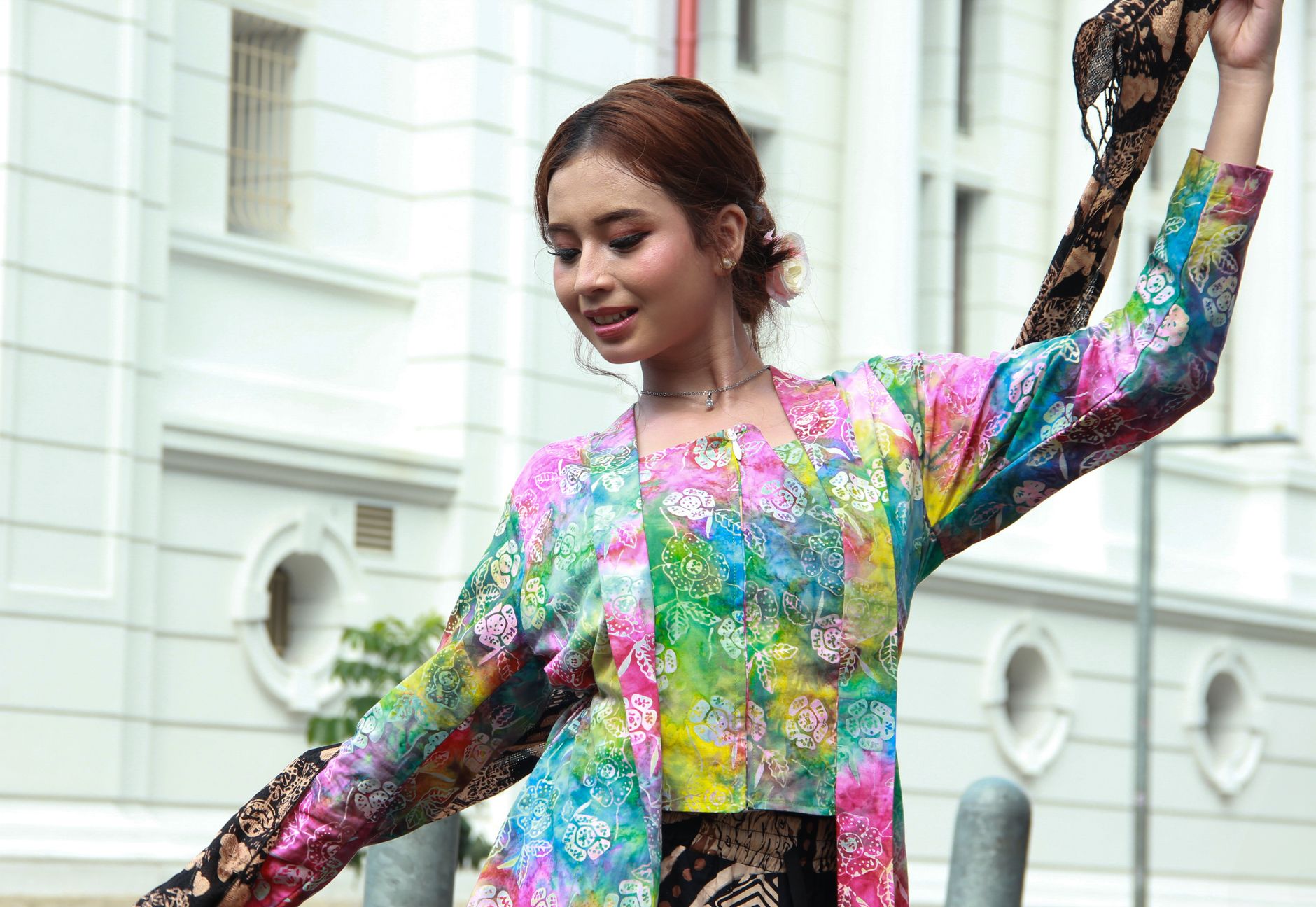
Batik is a traditional fabric art form originating from Indonesia, characterized by its intricate patterns and vibrant colors. It involves a meticulous process of applying wax to fabric to create designs, which are then dyed to produce stunning visual effects. This unique technique has transcended cultural boundaries, becoming beloved worldwide in the realms of fashion and home decor.
With its rich history and diverse interpretations, batik offers a wealth of styling possibilities and serves as a beautiful expression of artistry. In this guide, we will explore batik’s history, its various forms, how to style batik pieces, and tips for incorporating this textile into your wardrobe.
What Is Batik?
Batik refers to both the technique of wax-resist dyeing and the resulting fabric itself. The process begins with applying hot wax to fabric in desired patterns. Once the design is set, the fabric is dyed; the wax prevents dye from penetrating the covered areas, creating a beautiful contrast. After dyeing, the wax is removed, revealing the final design. The versatility of batik allows for countless designs and colors, making it a celebrated textile in various cultures.
The History of Batik
The roots of batik can be traced back over a thousand years, primarily in Indonesia, where it has become a significant part of cultural identity. Each region has its distinct styles and motifs, often reflecting local beliefs, traditions, and symbols. Batik was designated as a Masterpiece of the Oral and Intangible Heritage of Humanity by UNESCO in 2009, recognizing its importance as an art form.
Today, this traditional technique is not only practiced in Indonesia but has spread to other countries including Malaysia, India, and even Africa. This global embrace showcases batik’s adaptability and timeless appeal, making it relevant in contemporary fashion and design.
Types of Batik
There are several styles of batik, each with unique characteristics. Understanding these types can help you choose the right batik pieces for your wardrobe.
Indonesian Batik
Indonesian batik is diverse and regional, with each island and city featuring distinct patterns and colors. Javanese batik, for example, is known for its intricate motifs and symbolic meanings, often depicting flora and fauna.
Malaysian Batik
This style emphasizes bright colors and bold designs, often incorporating geometric patterns. Malaysian batik tends to have a more modern aesthetic, appealing to contemporary fashion sensibilities.
Indian Batik
Indian batik, often seen in states like Rajasthan and Gujarat, is characterized by bold colors and elaborate designs, often celebrating cultural themes. The patterns may include elephants, peacocks, and other elements of local folklore.
How to Style Batik in Your Wardrobe
Incorporating batik into your wardrobe can be both exciting and rewarding. Here are some outfit ideas and styling tips to get you started.
1. Casual Daywear
For a relaxed look, consider a batik-printed shirt paired with high-waisted denim or linen shorts. This combination works well for weekend outings, picnics, or casual Friday at the office.
- Batik shirt or blouse
- High-waisted denim shorts or trousers
- Comfortable sandals or sneakers
- Simple hoop earrings for added flair
2. Bohemian Vibes
To achieve a bohemian-inspired look, opt for a long batik maxi dress. The flowing silhouette pairs beautifully with flat sandals, a wide-brimmed hat, and layered necklaces or bracelets.
- Batik maxi dress
- Flat sandals
- Wide-brimmed hat
- Layered accessories
3. Office Appropriate
Transform batik into a sophisticated office ensemble by selecting a structured batik pencil skirt or tailored trousers. Pair it with a fitted blouse or blazer and classic pumps for a polished look.
- Batik skirt or trousers
- Fitted blouse or blazer
- Classic pumps
- Sleek tote bag
4. Evening Glam
While batik is often viewed as casual, it can be dressed up for evening events. Choose a batik gown with elegant detailing, complementing it with statement earrings and sleek heels.
- Batik evening gown
- Statement earrings
- Heels
- Clutch bag
5. Layering Essentials
Batik pieces can be layered for added intrigue. A batik kimono can elevate a simple outfit, adding depth without overwhelming it. Pair it with a basic outfit like a t-shirt and jeans for a stylish look.
- Batik kimono
- Basic t-shirt
- Jeans or fitted trousers
- Boots or loafers
Accessorizing Batik
When wearing batik, the right accessories can enhance your look. Here are some ideas to consider:
- Jewelry: Opt for natural materials like wood or beads to complement the earthy feel of batik. Avoid overly flashy pieces that may compete with the fabric’s patterns.
- Bags: A simple tote or crossbody in a neutral color will keep the focus on your batik outfit while being functional.
- Shoes: Depending on the occasion, choose sandals for casual looks, pumps for formal events, or ankle boots for an edgy twist.
Seasonal Fashion with Batik
Batik is a versatile fabric that can suit different seasons with the right styling. Here’s how to wear batik throughout the year.
Spring
In spring, lighter batik pieces like tops or dresses can be paired with cardigans and sandals. Floral prints can echo the blooming scenery, creating a harmonious look.
Summer
Summer calls for breathable fabrics. Opt for sleeveless batik blouses or airy shorts. Pair them with straw hats and sunglasses for a chic beach look.
Autumn
In the cooler months, layer batik over long-sleeve shirts or turtlenecks. A batik scarf can also add warmth while incorporating the fabric into your fall wardrobe.
Winter
During winter, batik can shine through as a statement piece. Consider a batik coat or jacket layered over a monochromatic outfit for an elegant touch.
Wardrobe Essentials for Batik Lovers
For those who love batik, here are essential pieces to consider having in your wardrobe:
- Batik tops: Versatile for both casual and semi-formal wear.
- Batik skirts or trousers: Great for a unique office look.
- Batik dresses: Perfect for various occasions, from casual to formal.
- Batik accessories: Scarves or bags that can easily elevate simple outfits.
- Layering pieces: Kimonos or jackets can seamlessly integrate batik into any outfit.
Caring for Batik Fabrics
To maintain the integrity and beauty of batik fabrics, follow these care guidelines:
- Washing: Always refer to the care label. Handwashing in cold water is generally recommended to preserve colors.
- Drying: Air dry batik items to prevent fading from intense heat.
- Ironing: If necessary, iron on a low setting, preferably on the reverse side to avoid damaging the wax pattern.
- Storage: Store batik away from direct sunlight to prevent color fading, ideally in a cool, dry space.
Shopping for Batik
When shopping for batik, consider the following tips to find quality pieces:
- Authenticity: Look for pieces marked as ‘handmade’ or ‘traditional’ to ensure you’re getting authentic batik.
- Material: Natural fabrics like cotton or silk are preferable for comfort and durability.
- Design: Choose patterns and colors that resonate with your personal style.
- Fit: Always try before you buy, as batik garments can vary in fit and cut.
Batik Trends in Fashion
Batik continues to influence contemporary fashion, with designers incorporating this traditional art form into modern pieces. Here are some current trends you may notice:
- Mix and Match: Designers are blending batik with other fabric techniques to create unique hybrids.
- Batik Streetwear: Casual clothing lines are adopting batik patterns for a fresh and youthful take.
- Upcycled Batik: Sustainability is vital in the fashion industry, leading to the reimagining of vintage batik for new styles.
Breaking Down Batik Patterns
Understanding the styles and meanings behind various batik patterns can deepen your appreciation for this art form. Common motifs include:
- Floral patterns: Representing nature and beauty, often used in celebratory outfits.
- Geometric designs: Symbolizing harmony and balance, great for modern looks.
- Animal prints: Often inspired by local wildlife, carrying cultural significance.
When choosing batik pieces, consider not only the aesthetic appeal but also the stories and meanings that different patterns carry. This approach can add depth and personal connection to your fashion choices.
Conclusion
Batik is not just a fabric but a significant cultural heritage that can enrich your wardrobe and style. By understanding its history, styling options, and care, you can embrace batik in a way that resonates with your personal aesthetic. Remember to experiment with different outfit combinations and accessories to find the perfect balance that suits your style.
Explore further with our guides on traditional Indian design and the sari to discover more ways to incorporate cultural fabrics into your fashion repertoire.