
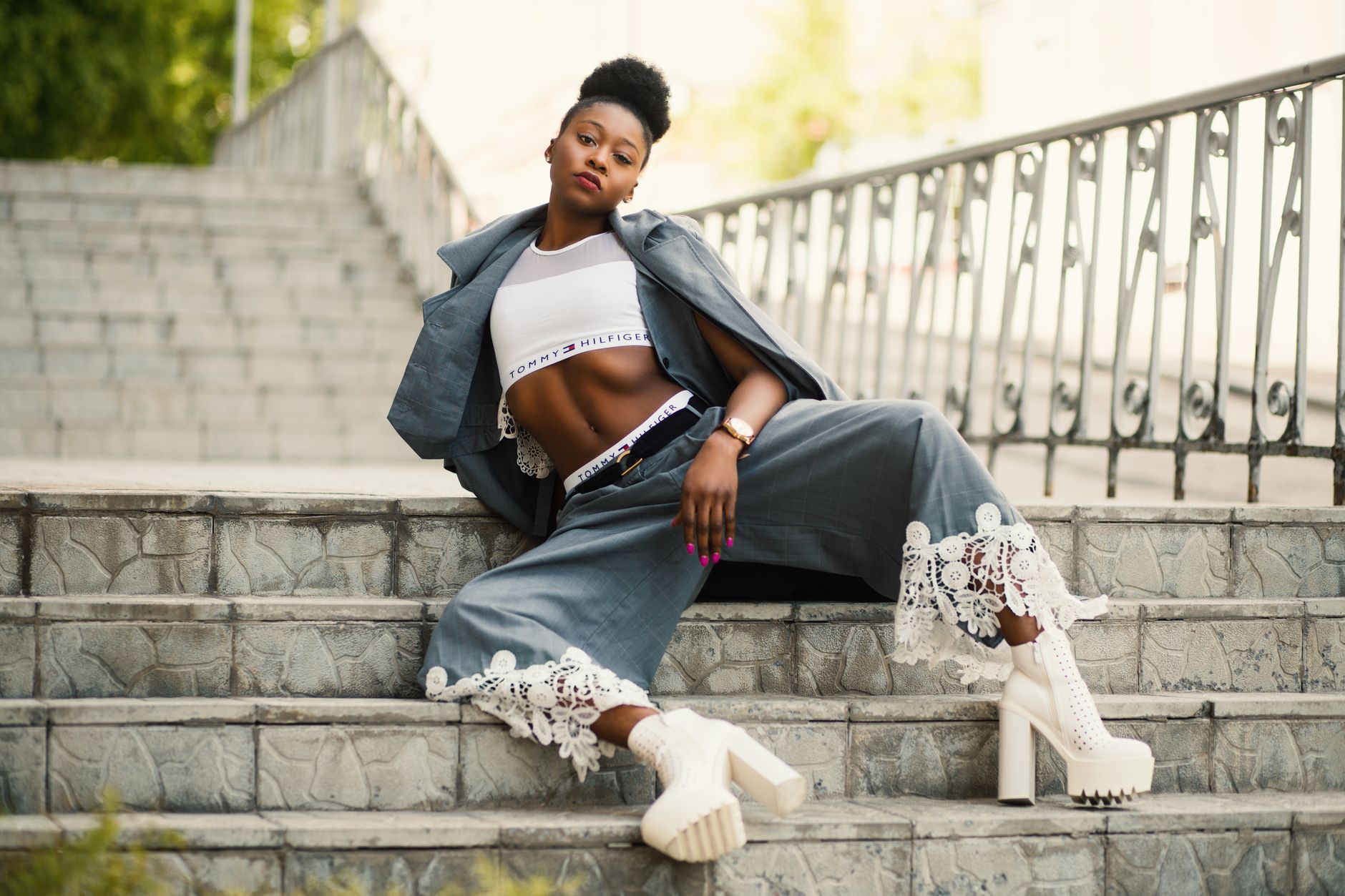
The life of a model can be intriguing yet challenging, weaving together high fashion and rigorous industry demands. This guide explores what aspiring models can expect in terms of daily routines, wardrobe essentials, styling techniques, and more, all while providing insights into the modeling career landscape.
Whether you’re considering a modeling career or are merely curious about the lifestyle, understanding the intricacies of this profession is essential. From the glamour of photoshoots to the realities of fitting sessions and catwalks, the life of a model is multi-faceted and deserves a closer look.
What Is The Life Of A Model Like?
The life of a model is characterized by a blend of creativity, discipline, and constant adaptation. Models work in various settings, including runway shows, editorial shoots, commercial advertisements, and lookbooks. Their schedules can be unpredictable, leading to busy days filled with fittings, shoots, and travel.
The Daily Routine of a Model
A day in the life of a model can vary widely depending on the assignment, but certain elements remain consistent across the board. Here’s a glimpse into a typical day:
- Mornings: Mornings often start early, typically around 5 or 6 AM. Models may begin their day with fitness routines or personal grooming, such as skincare and hair treatments.
- Fittings: Mid-morning may involve attending fittings where they try on various outfits that will be used in an upcoming shoot or show.
- Photoshoots: The bulk of a model’s day is often spent on photoshoots. These can last several hours and involve setting up lights, backgrounds, and wardrobe changes.
- Castings: After a shoot or gap between them, models might have castings, where they meet with clients or creative directors to showcase their portfolios and allow the client to assess their fit for a specific project.
- Networking: Building relationships with photographers, stylists, and influencers is crucial. Lunch breaks may be used for informal meetings or networking opportunities.
- Evenings: Models often attend events, parties, or additional castings. Networking in the fashion industry happens as much outside of work as it does in it.
The flexibility required in such a dynamic environment means that models must be adaptable and ready to pivot their plans as new opportunities arise.
Wardrobe Essentials for Models
While the specific outfits a model might wear vary from job to job, there are several wardrobe staples that can help them adapt to different situations while looking stylish and professional:
Core Pieces
- Classic White Shirt: A fitted, crisp white shirt is incredibly versatile. It can be dressed up with tailored trousers for auditions or paired with jeans for casual outings.
- Black Trousers: A well-cut pair of black trousers should be a staple in every model’s closet. They can transition seamlessly from day to night.
- Denim Jacket: This timeless piece adds a layer of style to almost any outfit and suits many casual occasions.
- Little Black Dress (LBD): Ideal for last-minute event invitations, an LBD can be accessorized in countless ways for different looks.
- Neutral T-Shirts: Comfortable and easy to style, neutral t-shirts in colors like grey, beige, or navy go with anything.
- Sturdy Footwear: A pair of classic black ankle boots and clean white sneakers can cover most casual and semi-formal needs while ensuring comfort.
Accessories to Elevate Outfits
- Statement Jewelry: Minimalist jewelry can enhance a simple outfit, adding a touch of personal style without overwhelming it.
- Classic Handbag: A high-quality handbag complements any outfit. Opt for designs that not only look good but are functional as well.
- Sunglasses: A stylish pair of shades not only protects the eyes but adds an air of mystery and elegance to any ensemble.
Fashion Styling Techniques for Models
Understanding styling techniques is crucial for navigating the fashion world effectively. Here are some styling tips that models should be familiar with:
Fit and Proportion
Fit and proportion can make or break an outfit. Here are some considerations:
- Tailoring: Invest in tailoring for pieces that don’t fit perfectly. An excellent fit can elevate any garment.
- Silhouette: Balancing structured items with relaxed pieces creates a harmonious look. For instance, a fitted blazer can be paired with wide-leg pants.
- Layering: Layering adds depth to outfits. For example, wearing a turtleneck under a slip dress makes it suitable for colder months.
Color Coordination
Choosing a cohesive color palette can streamline the styling process. Here are some tips:
- Neutral Tones: Core pieces in neutral shades can be built upon with brighter colors or patterns, making it easier to create various outfits.
- Complementary Colors: Choose colors that enhance each other on the color wheel. Pairing a warm-toned top with a cooler-toned bottom can create a visually appealing look.
- Monochromatic Looks: Dressing in different shades of the same color can create a sophisticated appearance.
Adapting Outfits by Season
Models must adapt their looks according to the seasons, balancing style and comfort. Here’s how to navigate wardrobe choices based on the weather:
Warm Weather Outfits
- Lightweight Fabrics: Breathable materials like cotton or linen keep models cool during summer shoots.
- Flowy Dresses: Midi or maxi dresses allow for movement while remaining stylish. Opt for prints or bright colors that resonate with the season.
- Open-Toe Shoes: Sandals or espadrilles can complete summer outfits adding both comfort and flair.
Cool Weather Outfits
- Layering: Start with a base layer, such as a fitted turtleneck, and add a chunky sweater or blazer over it.
- Tights or Leggings: Wearing tights under dresses or skirts makes them wearable even in low temperatures.
- Outerwear: A stylish coat or jacket is pivotal for cooler months. Look for one that exudes chic lines, like a long wool coat.
Occasion Dressing as a Model
Models often attend a unique range of events that call for specific styles. Here’s how to dress accordingly:
Cocktail Events
- Shorter Dresses: Opt for a chic cocktail dress that flatters your figure and adheres to the event dress code.
- Stylish Heels: A pair of elegant heels adds height and sophistication. Choose a color that complements your outfit.
- Clutch Bag: A clutch keeps essentials organized while completing the polished look.
Formal Events
- Evening Gown: A floor-length gown is often the best choice; choose one that enhances your silhouette.
- Statement Accessories: Bold jewelry can transform a simple gown into a stunning look. Just be careful not to overdo it.
- Elegant Footwear: Opt for strappy heels or decorative flats depending on your comfort level.
Regardless of the occasion, the key is to feel confident and comfortable in your choice.
The Fabric Fundamentals
Understanding fabric types is essential in modeling. Fabrics significantly influence how a garment drapes and how the styling comes together. Here’s a quick breakdown:
Common Fabric Types
- Cotton: Soft, breathable, and easy to care for, cotton is a versatile staple ideal for casual wear.
- Silk: Luxurious and smooth, silk drapes beautifully and adds an element of sophistication.
- Wool: Excellent for cold weather; it provides warmth while remaining structured, making it suitable for outer layers.
- Denim: A classic fabric that’s always in style—look for different weights and washes to diversify your wardrobe.
Garment Care Tips
Proper garment care extends the life of your clothes. Here are effective techniques to maintain your pieces:
- Follow Care Labels: Always adhere to washing instructions provided on labels for each fabric type.
- Dry Cleaning: Invest in dry cleaning for delicate fabrics like silk or intricate garments to maintain their structure and appearance.
- Stain Removal: Address stains immediately with appropriate cleaning solutions before they set in.
- Storage: Store garments in a cool, dry place, hanging or laying flat as needed to avoid creasing.
The Importance of Networking and Social Media
Networking is crucial in the fashion industry. Building relationships with stylists, photographers, and brands can lead to new opportunities. Additionally, models can leverage social media to establish their personal brands, showcase their work, and connect with fans and businesses.
Utilizing Social Media Effectively
Social media can be a powerful tool for models. Here are some tips for effective use:
- Professional Photography: Use high-quality images in your posts that highlight your modeling skills.
- Engagement: Interact with followers and fellow models, respond to comments, and be active in community discussions.
- Consistency: Regularly update your portfolio and profiles to reflect your latest work and collaborations.
The Challenges Faced by Models
The modeling industry does have challenges. Here are some common hurdles models encounter:
- Body Image Pressures: The industry often imposes strict standards, leading to pressures about body size and appearance.
- Competition: The modeling field is highly competitive. Building a unique personal brand can help stand out in a crowded marketplace.
- Uncertain Schedules: Irregular work schedules can make it challenging to maintain a balanced lifestyle and personal commitments.
Conclusion
The life of a model is a unique blend of creativity, fashion, hard work, and resilience. Whether you’re diving into modeling or simply fascinated by the career, understanding these aspects can help navigate challenges. Exploring wardrobe essentials, practical styling, and industry insights can empower you to express your personal style confidently.
Ready to embrace your new style? Try creating an outfit that incorporates both classic pieces and your unique flair—remember, the key is to feel confident in whatever you wear. For more insights into the fashion and modeling world, explore what the modeling industry is really like, or check out practical tips on how to become a Victoria’s Secret model.