
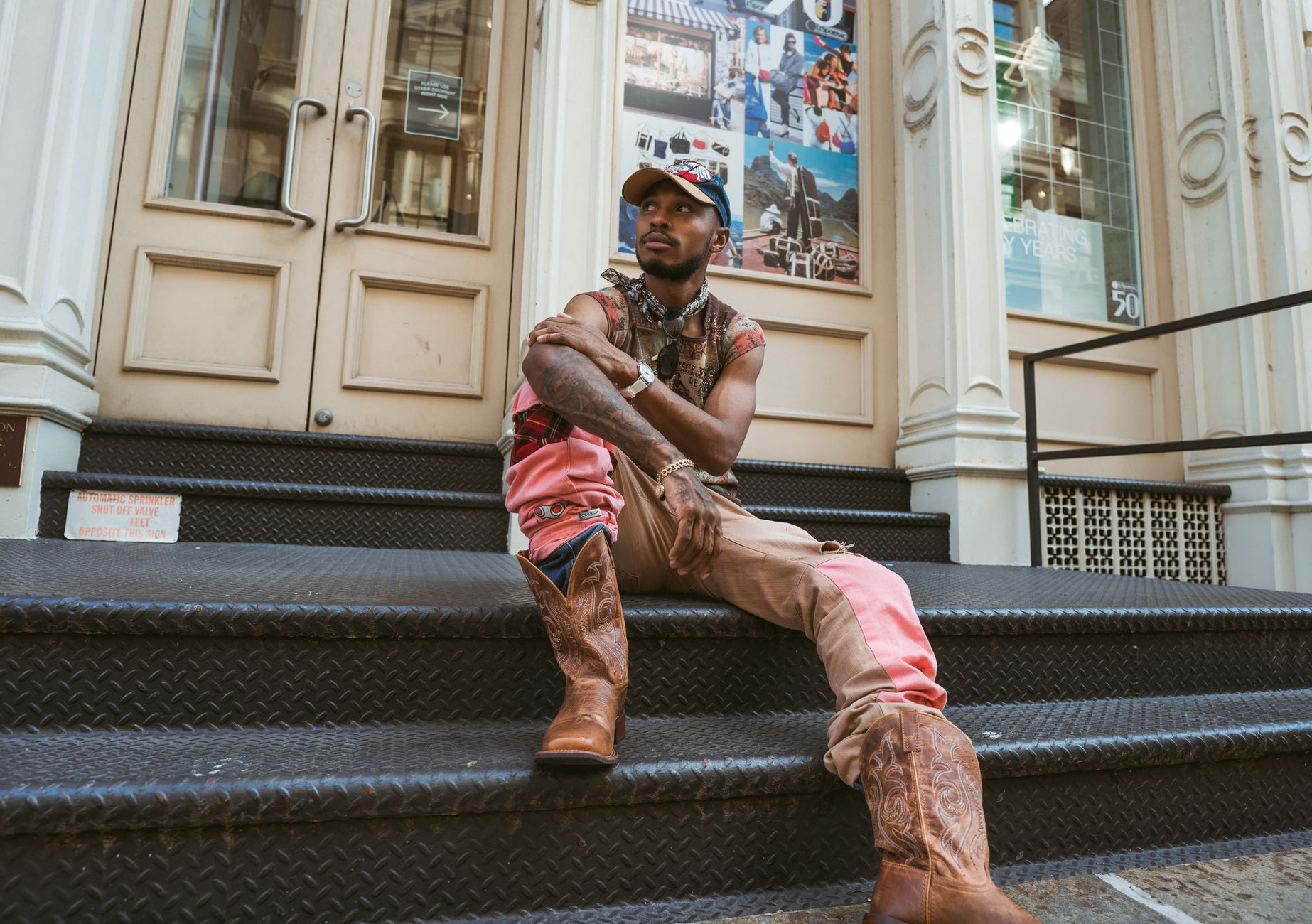
Fashion today transcends mere trends; it has become a canvas for personal expression where diverse styles merge seamlessly. Navigating through the ever-evolving landscape of fashion can be overwhelming, especially with the introduction of different styles, fabrics, and forms. “Where Fashion New Cole?” illuminates the pathway to understanding your style, fit, and essential wardrobe pieces while inspiring outfit ideas that resonate with your unique identity.
This comprehensive guide is designed to equip you with the tools needed to curate a wardrobe that reflects who you are. From casual wear to formal occasions, we’ll explore color coordination, layering techniques, and seasonal dressing, ensuring that you can easily adapt your style to any situation.
Where Fashion New Cole: What Does It Mean?
The term “Fashion New Cole” suggests a creative resurgence in the fashion narrative. It embodies a blend of fresh perspectives and timeless aesthetics, inviting individuals to embrace individuality while drawing inspiration from historical trends. Understanding where fashion stands today, alongside personal style preferences, is crucial for anyone looking to elevate their wardrobe.
Understanding Your Personal Style
Identifying your personal style is the foundational step in building a wardrobe you truly love. To assist in this process, consider the following:
- Reflect on Your Influences: Look at celebrities, designers, or fashion icons whose style resonates with you. What elements do you admire? Is it their color palette, the fit of their clothes, or how they accessorize?
- Create a Mood Board: Collect images that speak to you—this could be fashion spreads, digital images, or swatches of fabric. A mood board helps visualize your aesthetic and can serve as a handy reference when shopping.
- Test Different Styles: Try on various silhouettes and fits. Visit stores or try online shopping with the intention of exploring styles that are outside your comfort zone.
- Assess Your Lifestyle Needs: Your wardrobe should cater to your daily activities. Are you often in professional settings, attending casual events, or do you need versatile pieces that adapt easily?
Wardrobe Essentials for Every Occasion
Every wardrobe needs key pieces that can be mixed, matched, and layered for versatility. Below is a curated list of essential garments for both menswear and womenswear, ensuring a cohesive and functional collection.
Core Wardrobe Components
For Womenswear:
- Basic T-Shirts: Opt for high-quality, fitted tees in neutral colors.
- Classic Jeans: A pair of well-fitted jeans in a versatile wash—dark or medium will pair well with almost anything.
- Blazers: A tailored blazer can elevate a casual outfit or provide structure to a more formal look.
- Little Black Dress: An adaptable staple for various occasions that can be dressed up or down with accessories.
- Comfortable Footwear: Invest in a pair of chic flats or stylish sneakers for casual wear, along with heels for formal events.
For Menswear:
- Tailored Trousers: A versatile piece that can be paired with both casual shirts and blazers.
- Dress Shirts: Having a selection of button-up shirts in various colors can be mixed and matched effectively.
- Casual Sweatshirts: Opt for solid colors or casual patterns that can be layered with outerwear.
- Quality Denim: Like with women, a well-fitted jean in traditional blue or black is essential.
- Stylish Footwear: A pair of loafers or clean sneakers can add a polished touch to almost any outfit.
Building a Capsule Wardrobe
A capsule wardrobe is about selecting a limited number of pieces that transcend seasons, ensuring you’re never short on styling options. Here’s how to start building one:
- Choose a Base Color: Start with neutral colors as the main base of your wardrobe. Shades like black, white, grey, and navy are versatile and timeless.
- Add Accent Colors: Incorporate a few colors that you love and feel good wearing. This can include bolder hues that you can mix and match with your neutrals.
- Incorporate Textures: Play with different textures by adding pieces like knitwear, thin knits, or leather that can enrich your outfits.
- Keep It Simple: Aim for 30–40 pieces in total, including tops, pants, skirts, and outerwear. Remember, these pieces should work synergistically.
Essential Styling Tips
With your wardrobe in place, it’s time to learn how to effectively style your outfits. Below are some essential styling tips that can help you put together a polished look:
Fit and Proportion
Understanding fit and proportion is vital for any outfit to look good. Here are key principles:
- Tailoring: Never underestimate the power of tailoring. A garment that fits well can enhance your shape and improve overall confidence.
- Balance: If you wear a loose top, consider pairing it with fitted bottoms, and vice-versa. This balance helps create a streamlined silhouette.
- Length Matters: Understand where different lengths of tops, dresses, and coats hit you. Opt for pieces that elongate your frame rather than cut it in half.
Color Coordination
Color coordination can fundamentally change the vibe of your outfit. Here’s how to get it right:
- Complementary Colors: Use the color wheel to identify shades that naturally complement each other; for example, pairing blue with shades of orange or peach.
- Monochrome Looks: Wearing different shades of the same color can be a chic way to look polished while not overthinking coordination.
- Neutral Basics: Utilize your neutral basics as a grounding force for more vibrant pieces, allowing bolder colors to pop.
Mastering Layering Techniques
Layering adds depth and interest to an outfit, allowing for comfort during fluctuating temperatures. Here’s a rundown on mastering layering:
Layering Essentials
- Lightweight Tops: Start with a fitted or lightweight top as a base.
- Transitional Pieces: Include cardigans, denim jackets, or blazers as intermediaries that can be added or removed easily.
- Outerwear: Consider outerwear options like trench coats or puffer jackets based on the weather.
- Accessories: Scarves, hats, and wristwear can add an extra layer of personalization and warmth without bulk.
Occasion Dressing: Outfits for Every Event
Understanding what to wear for different occasions can relieve much of the stress around outfit selection. Here’s a breakdown of essential outfits based on common occasions:
Casual Outfits
- Pair a graphic tee with straight-leg jeans and ankle boots for a laid-back look.
- A midi dress can be complemented by a denim jacket and sandals for brunch or outings.
Workwear
- A tailored blazer over a simple blouse paired with tailored trousers creates a professional yet stylish appearance.
- Choose a shift dress layered with a cardigan for a polished, feminine look.
Formal Attire
- Opt for a floor-length gown complemented by statement jewelry for a black-tie event.
- A classic suit with a crisp white shirt and polished shoes creates a sophisticated look for formal business events.
Footwear and Accessories
The right shoes and accessories can make or break an outfit. Here are essential tips for each:
Footwear
- Comfort vs. Style: Prioritize comfort, especially if you’ll be on your feet for long periods.
- Variety: Keep a mix of shoes, including sneakers, flats, sandals, and heels to cater to different occasions.
- Match the Mood: Ensure your footwear aligns with the style of the outfit; casual looks work well with sneakers, while formal looks warrant heels.
Accessories
- Jewelry: Cultivate a signature style with earrings, necklaces, and bracelets that complement your outfits.
- Bags: Invest in versatile bags—a structured tote for work and a smaller crossbody for casual outings.
- Belts: A belt not only adds detail but can also help define the waist for a more flattering silhouette.
Understanding Fabrics
Knowing the characteristics of different fabrics can vastly improve your shopping decisions and garment care. Here’s a breakdown of common fabrics:
Key Fabrics
- Cotton: Breathable and easy to care for, cotton is an essential fabric for casual wear.
- Wool: Warm and insulating, wool is ideal for colder months and can be used in suits and sweaters.
- Silk: Luxurious and soft, silk is perfect for special occasions or layering, though it requires delicate care.
- Denim: Durable and versatile, jeans can be styled up or down.
- Linen: A perfect fabric for warm weather; it’s lightweight and breathable, but can wrinkle easily.
Garment Care Essentials
Taking care of your clothing extends its life and maintains its appearance. Here are essential garment care tips:
- Follow Care Labels: Always check the care label for washing and drying recommendations—this is vital for different fabrics.
- Sort Laundry: Separate items based on color and fabric to avoid damage and color running.
- Store Properly: Invest in quality hangers and storage solutions to maintain garment shape and integrity.
- Repairs: Address small damages early, such as loose buttons and hems, to prevent further issues.
Embracing Gender-Inclusive Style
Fashion is increasingly becoming a space for self-expression beyond traditional gender norms. Embracing gender-inclusive style allows individuals to wear what resonates with their identity. Here’s how to curate a wardrobe that reflects this approach:
- Neutral Silhouettes: Opt for relaxed fits or oversized silhouettes that appeal to all genders.
- Layering: Layering can create dimension and generality that suit various body types.
- Choose Versatile Pieces: Clothing with gender-neutral appeal, such as unisex tees and joggers, can be staple pieces within a capsule wardrobe.
Conclusion
Fashion is an evolving journey where self-discovery and expression take the forefront. By understanding your personal style, investing in versatile pieces, and mastering the essential styling techniques laid out in this guide, you are well on your way to a wardrobe that not only looks great but feels truly your own. Embrace experimentation, and remember that confidence in your choices is what makes a style uniquely you.
Take the next step in your fashion journey by exploring outfit combinations that incorporate these elements. Discover more styling tips on how to style wide leg pants or read the ultimate guide on how to style linen pants for added inspiration.