
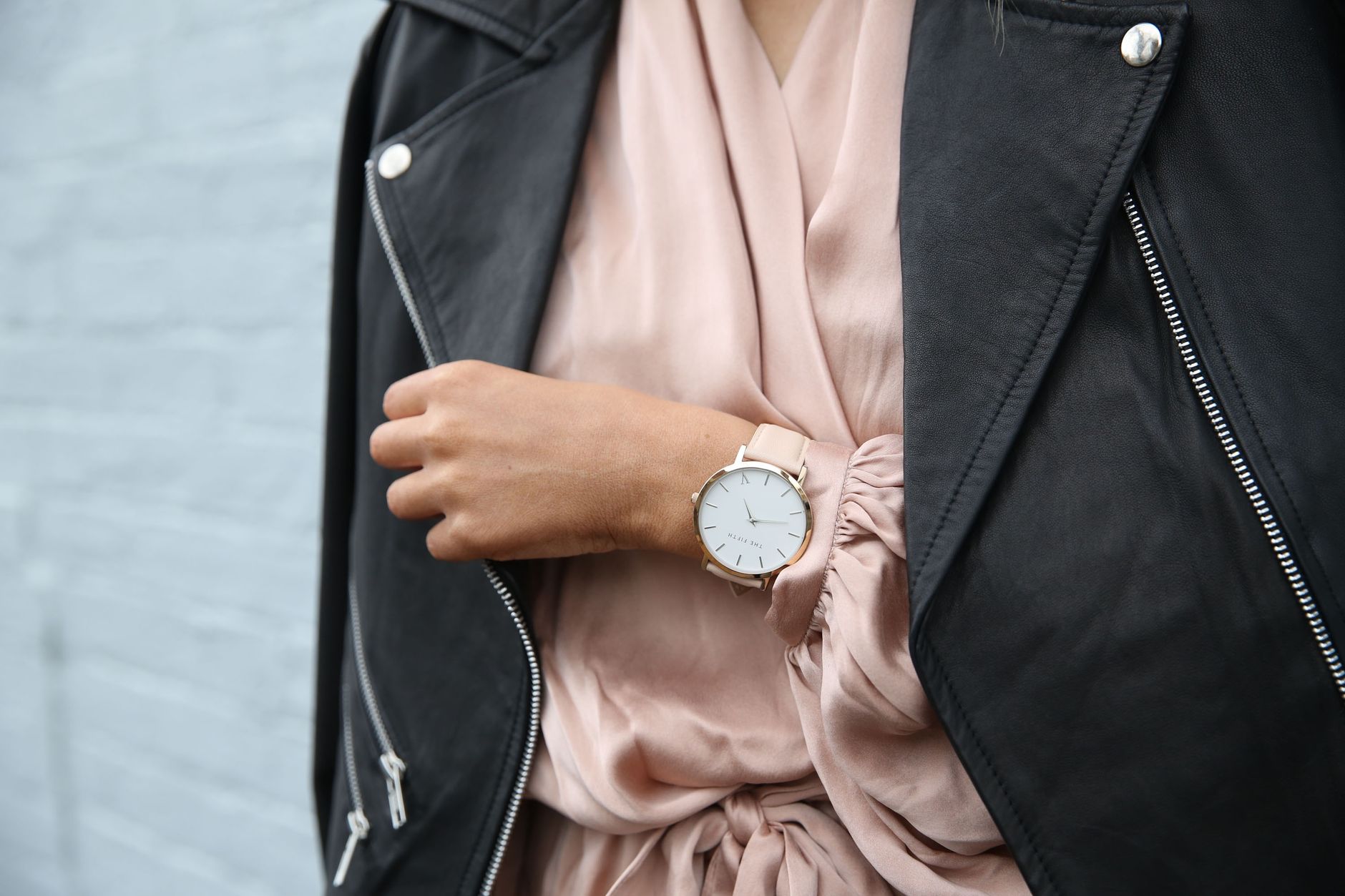
Choosing the right arm to wear a watch on might seem like a small detail, but it reveals much about personal style and practicality. Whether you want to make a fashion statement or ensure comfort when you check the time, understanding this choice is essential for anyone who enjoys accessorizing.
This guide covers everything from the traditional rules of watch-wearing to modern interpretations, making it easier for you to express your style while considering functionality. Let’s dive into the factors that influence which arm is best for your watch.
What Arm Do You Wear A Watch On?
The common convention is to wear a watch on the non-dominant hand. For most right-handed individuals, this means wearing the watch on the left wrist, while left-handed people typically prefer their right wrist. This practice is rooted in practicality — it protects the watch from being knocked against surfaces and is often more comfortable when writing or performing tasks.
However, style is fluid, and your choice can depend on several factors, including personal preferences, the type of watch, and the outfit. Let’s explore these considerations in more detail.
Factors Influencing Which Arm to Wear a Watch On
1. Dominance
Your dominant hand significantly impacts which wrist feels more natural. If you are right-handed, wearing a watch on your left wrist allows for easy access without fumbling or obstructing your tasks. Conversely, left-handed individuals may find it more comfortable to sport a watch on their right wrist, avoiding interference when writing or typing.
2. Style and Aesthetics
The aesthetic aspect of watch-wearing is key. A watch can be a focal point of your outfit. Wearing it on the wrist that showcases your arm’s best angle can enhance its visual appeal. Think about how visible the watch is while wearing your go-to ensembles. Swapping sides occasionally can offer a fresh perspective on your outfits.
3. Outfit Coordination
Your outfit can also dictate the best wrist for your watch. For example, wearing a watch with a statement sleeve or layering a cuff can influence how you style accessories. Color coordination plays a role as well; ensuring your watch complements your outfit can elevate your look.
4. Type of Watch
Different watch styles lend themselves to different wrists. A more delicate or formal watch may be better suited on a less dominant wrist to maintain a polished appearance. Casual watches can be worn on either wrist, but consider how you want the watch to complement the rest of your look.
5. Occasions and Settings
Wearing your watch on a specific wrist can also depend on the occasion. For professional settings, you want to project a polished image, while sporty or casual outings may allow for more relaxed choices. Think about how wearing a watch affects your comfort and perception in different scenarios.
Styling Your Watch for Different Occasions
Choosing which arm to wear your watch can be paired with styling tips that cater to various occasions. Here’s how to seamlessly incorporate your watch into different looks.
Workwear
- Professional Office: For a traditional corporate environment, opt for a sleek leather strap watch on your non-dominant wrist to maintain an elegant silhouette. Pair it with tailored trousers and a button-up shirt for a refined look.
- Causal Office: If your workplace is casual, a simple metal or fabric strap watch can complement chinos and a polo shirt. Wearing it on your dominant wrist may add ease during tasks.
Casual Outings
- Weekend Brunch: For a relaxed brunch date, try swap your watch to your dominant side for a laid-back vibe, matching it with jeans and a casual tee.
- Outdoor Activities: Consider a sporty watch band. Wearing it on the wrist opposite your watch-hand can prevent it from knocking into things, especially during activities like hiking or jogging.
Formal Events
- Weddings: A classic dress watch (perhaps on your left wrist) can enhance your suit without overwhelming it. Choose a style that complements your outfit’s colors and materials.
- Dinner Parties: A sleek bracelet or leather band may look sophisticated when paired with a blazer. Strive for symmetry by wearing it on your non-dominant wrist.
Special Occasions
- Graduations: Wearing a watch on your non-dominant wrist aligns with tradition, making it a lovely addition to your formal graduation attire.
- Holidays: Enjoy the festivities and strap on a fun, themed watch on whichever wrist feels right for your celebration outfit.
Layering with Watches
Layering accessories is a fantastic way to elevate your outfit, and this includes watches. Here’s how to effectively layer your watch with other accessories:
1. Cuffs and Bracelets
When wearing a watch, consider pairing it with bracelets or cuffs. If your watch is on the left wrist, you can add a stacked bracelet on the right for balance. Alternatively, stack thin bracelets alongside your watch on the same wrist; this arrangement works beautifully with a minimalist watch.
2. Rings
In terms of rings, ensure that they don’t compete with your watch. If your watch has a bold design, opt for subtle rings. On the contrary, a simplistic watch can be paired with larger statement rings for a striking look.
3. Color Coordination
When layering, color coordination is key. For instance, if your watch has a silver case, consider incorporating silver jewelry. Mixing metals can work if balanced well, but aim for a cohesive overall effect.
Men’s and Women’s Watch Styles
Watch styles can differ significantly between genders, although modern fashion encourages a more gender-inclusive approach. When choosing a watch, consider the following:
Men’s Watches
- Styles: Men’s watches often range from classic leather bands to sports designs. Dress watches typically feature slimmer profiles and leather straps.
- Colors and Materials: A versatile color palette, including blacks, browns, and metallics, allows for greater adaptability.
Women’s Watches
- Styles: Women’s watches often emphasize aesthetics, with designs ranging from sleek and minimalistic to more ornate styles featuring embellishments.
- Colors and Materials: Gold, rose gold, and silver are frequently found in women’s watches, paired with versatile straps.
Gender-Inclusive Styles
Many styles are designed to be unisex, breaking traditional boundaries. Investing in watch styles that fit all can enhance your style. Opting for adjustable straps can also make a difference in achieving a comfortable fit regardless of wrist size.
Fabric and Material Considerations
When selecting a watch, the material plays a crucial role in both style and comfort. Understanding different materials can help you decide what feels best for your lifestyle.
Metal
Metal watches, whether stainless steel or fashion metals, are durable and long-lasting. They can be polished for formal wear or left rugged for a casual look. Just keep in mind that they can become warm against your skin during hot weather.
Leather
Leather straps often exude class and sophistication. Consider quality leather for durability, and invest in a good maintenance routine to avoid wear. Leather also comes in various colors, allowing you to customize based on your wardrobe.
Fabric
Fabric bands (like nylon or canvas) provide comfort and breathability, making them perfect for active lifestyles. They can easily be cleaned, and with a variety of patterns and colors, they suit casual outfits beautifully.
Smart Watches
Smart watches combine technology with style. Available in various bands and materials, they can suit casual and professional attire. Choose a design that resonates with your personal preference and complements your outfits.
Garment Care and Watch Maintenance
Caring for your watch and outfit enhances durability and keeps everything looking fresh. Here’s how to maintain both:
1. Watch Maintenance
- Ensure your watch is cleaned periodically. Wipe it gently with a microfiber cloth to avoid scratches.
- For leather band watches, keep them away from water and consider using leather conditioner to maintain quality.
- Check seals and batteries regularly for efficiency, especially in smartwatches.
2. Outfit Care
- When it comes to clothing, follow the washing and care labels diligently to maintain fabric quality.
- Investing in garment bags and proper hangers will keep your outfits in shape longer.
Conclusion
Choosing the best arm to wear your watch offers an opportunity to express your personal style and enhance your outfit. Keep in mind the factors discussed, and remember to balance comfort and aesthetics according to the occasion.
As you refine your style, consider experimenting with various watch positions, styles, and ensembles. Explore outfit combinations that speak to your individuality and make the most of your wardrobe. For further inspiration on outfit choices, delve into topics like accessorizing your looks with watches or discovering “What Side Does Your Tassel Go On Before You Graduate?”