
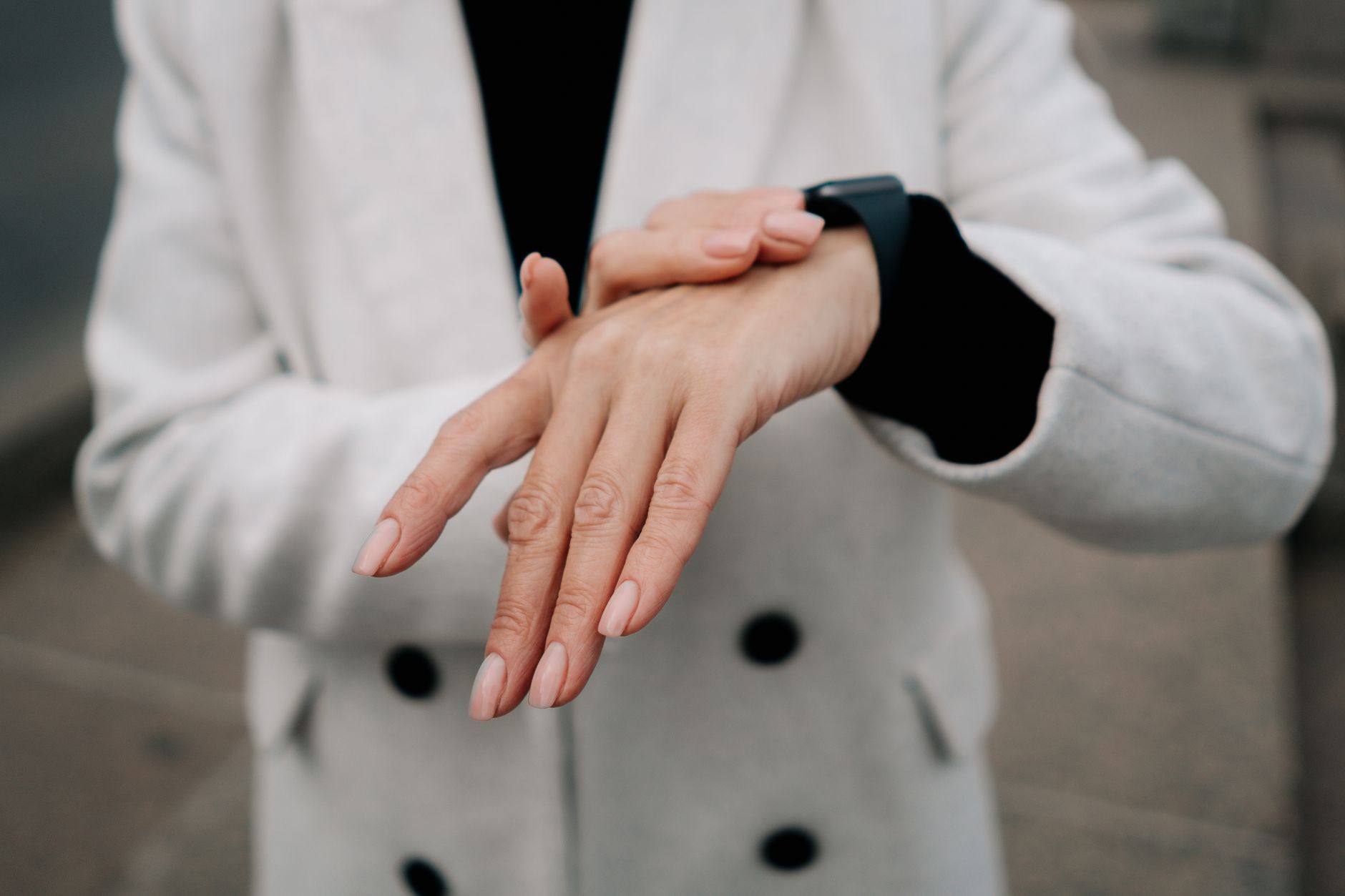
Choosing the right wrist to wear a watch can sometimes come down to personal preference, individual style, and practicality. While there are no hard and fast rules about which wrist a woman should wear a watch on, understanding the cultural nuances, style elements, and functionality of wearing a watch on either wrist can elevate your accessorizing game.
This guide will help clarify the considerations around which wrist to wear a watch as well as offer styling advice, outfit ideas, and tips for incorporating watches into your wardrobe seamlessly.
What Wrist Does A Woman Wear A Watch?
Traditionally, most people wear a watch on their non-dominant wrist, which for right-handed individuals is the left wrist, and for left-handed individuals, it is the right wrist. This practice helps prevent scratches and damage during daily activities. However, comfort, style preference, and the type of watch also play significant roles in this choice.
Understanding Watch Fit and Functionality
Before deciding on which wrist to wear a watch, it’s essential to consider how your watch fits and the functionality it offers. Watches can serve a variety of purposes, including telling time, tracking fitness, or making a fashion statement.
Watch Fit Considerations
To ensure comfort, consider the following:
- Size: Watches come in various sizes, from oversized styles to delicate designs. Choose a size that complements your wrist without sliding excessively or constricting.
- Strap Type: Different strap types and materials (metal, leather, fabric) may feel more comfortable on one wrist over the other. Experiment with a few styles to find your fit.
- Weight: Heavier watches may feel more comfortable on a sturdier wrist. Ensure that the weight does not impede your natural arm movements.
Functionality
Consider the primary use of your watch:
- Daily Wear: If your watch is a daily accessory, think about ease of use when setting the time or accessing features. Try wearing it on the wrist that feels more natural for reaching with your dominant hand.
- Sport & Fitness: Fitness watches may be better suited to your dominant wrist for easier monitoring during workouts.
- Dressy Occasions: At formal events, alignment with jewelry preferences may drive your choice. Take into account which wrist complements your outfit while harmonizing with bangles, bracelets, or other accessories.
Watch Styles and How to Wear Them
The type of watch you choose can greatly influence your outfit and overall style. Here are a few common watch styles and suggestions on how to incorporate them effectively:
Casual Watches
Casual watches are versatile and often feature colorful designs or functional elements like smart features. Here’s how to style:
- Outfit Combination: Pair your casual watch with a simple t-shirt, a denim jacket, and your favorite skinny jeans for a relaxed weekend look.
- Footwear: Sneakers or ankle boots work well with this combination.
Dress Watches
Characterized by their elegance, dress watches are perfect for formal occasions.
- Outfit Combination: Wear a sleek dress watch with a tailored dress or a sophisticated jumpsuit. Neutral colors and classic cuts enhance this look.
- Footwear: Strappy heels or pointed-toe flats will complement this outfit beautifully.
Sport Watches
Sport watches include features for outdoor or fitness activities. They are often bulkier but still stylish.
- Outfit Combination: Combine your sport watch with workout leggings, a breathable tank top, and a lightweight jacket for the gym.
- Footwear: Comfortable trainers complete this active look.
Statement Watches
Statement watches are designed to stand out and serve as focal points.
- Outfit Combination: Wear a large, ornate watch with a simple monochrome outfit to allow the watch to pop. Think black trousers with a white blouse.
- Footwear: Simple flats or understated heels maintain balance while letting your watch shine.
Seasonal Dressing and Watch Integration
Incorporating your watch seamlessly into seasonally-appropriate outfits requires matching colors and styles to the weather:
Summer Style
During warmer months, lighter fabrics and brighter colors take center stage:
- Opt for a lightweight, colorful watch that brightens up your outfit.
- Pair it with flowy dresses or stylish shorts and a tank top.
- Sandals or espadrilles give a fresh seasonal touch.
Fall and Winter Style
Fall and winter often demand layers and richer colors:
- Choose a watch with a leather strap that aligns with cozy textures like knit or wool.
- Layer over turtlenecks, blazers, or long coats for warmth and style.
- Combat or knee-high boots add a polished appeal to your seasonal outfit.
Coordinating Your Watch with Other Accessories
When wearing a watch, it’s essential to consider how it interacts with your other accessories:
Jewelry Pairing
Your choice of jewelry can enhance or clash with your watch:
- Minimalistic Approach: If you prefer a sleek watch, consider simpler jewelry designs like stud earrings or a subtle bracelet to avoid overwhelming your look.
- Layering: If you have a statement watch, consider stacking with dainty bracelets that don’t compete for attention.
Working with Handbags
Ensure your handbag complements your watch:
- Color Coordination: Choose a handbag that either matches or contrasts tastefully with your watch for a cohesive look.
- Style Matching: For a sporty watch, pair with a chic backpack or a practical tote; with a dress watch, a classic clutch may be more appropriate.
The Cultural Aspect of Wearing Watches
The choice of wrist can also be shaped by cultural traditions:
- In some cultures, wearing a watch on the left wrist is traditionally more accepted for reasons ranging from superstition to practical applications during communal activities.
- Understanding these nuances can add depth to your style choices and help you feel connected to the traditions around timekeeping.
Tips for Choosing the Right Watch
When selecting your ideal watch as an accessory, keep these key tips in mind:
- Function vs. Fashion: Determine what you need the watch for and balance functionality with style. Some timepieces excel in performance while others focus purely on aesthetics.
- Color Scheme: Make sure to coordinate the color of your watch with your outfit. Silver or gold tones usually work well across various styles.
- Size Composition: Ensure that the size of your watch is proportionate to your wrist. If you have delicate wrists, an oversized watch may overpower your features.
Maintaining Your Watch
Watches require care to ensure they last:
- Regular Cleaning: Use a soft cloth to clean the watch face, particularly for metal or leather straps. Avoid abrasive cleaners that could damage delicate finishes.
- Water Resistance: If your watch is water-resistant, familiarize yourself with its limits to prevent damage.
- Battery Checks: Ensure that battery-operated watches are checked periodically for longevity.
Final Thoughts: Expressing Your Personal Style
Ultimately, the decision of which wrist to wear a watch on should reflect personal style, comfort, and the functional needs of your accessories. Watching how your chosen timepiece integrates into your outfit can significantly influence your overall aesthetic, so experiment and find the combinations that suit you best.
As you build your wardrobe, take time to explore outfit combinations that seamlessly feature watches, such as pairing them with statement pieces or layering textures to create depth. Planning versatile watch options can also help refine your capsule wardrobe, ensuring that you dress stylishly for work, casual outings, and formal occasions.
For more style guidance, consider enhancing your wrist accessory knowledge with outfit coordination or exploring tips for which hand to wear a watch. Why not develop your unique fashion statement today?
To learn more about wrist accessory choices, check out which hand to wear a watch and which wrist to wear a watch.