
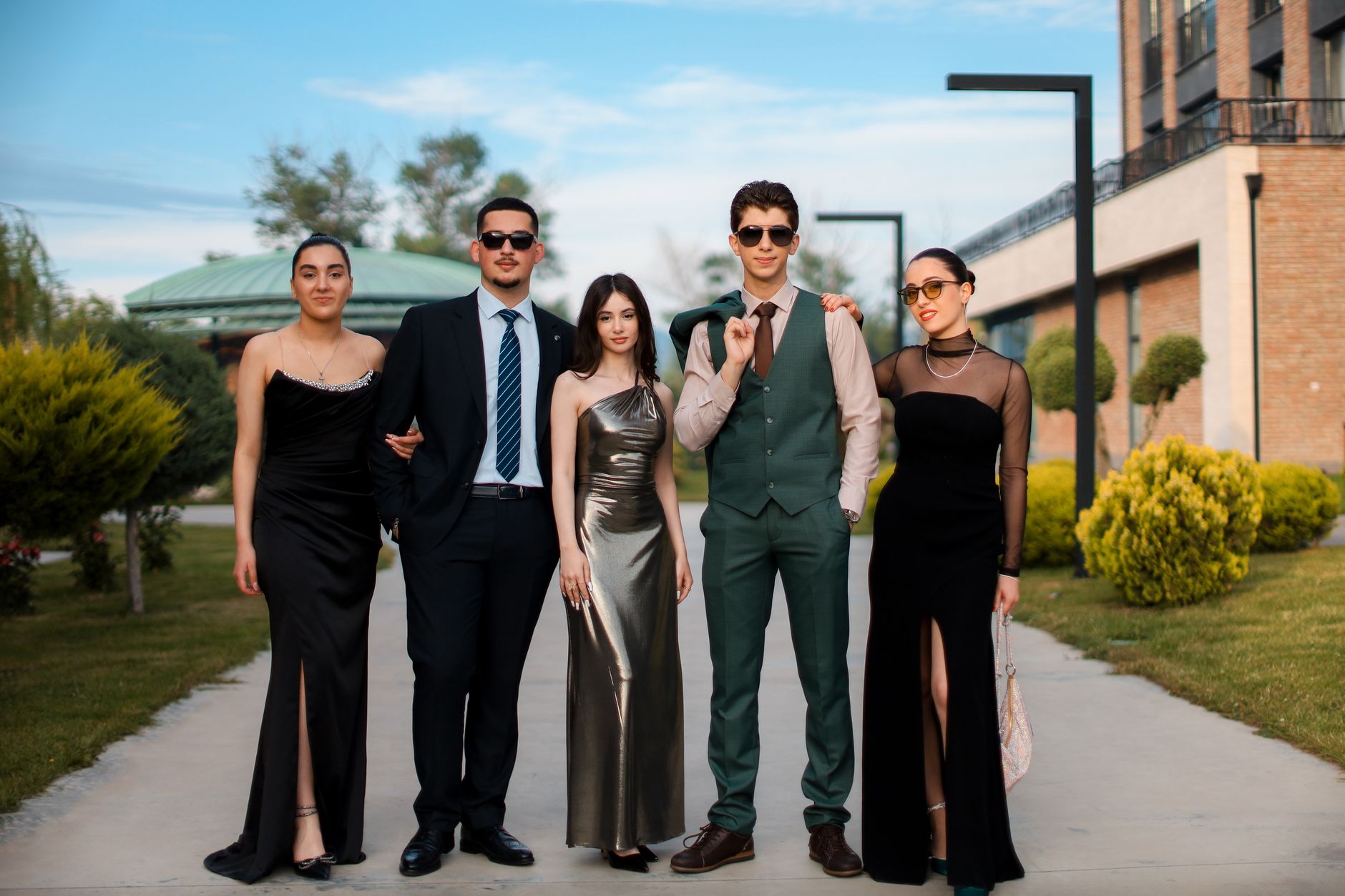
When preparing for a banquet, the question of what to wear looms large. Banquets can range from formal galas to themed celebrations, each with its own dress code and vibe. Understanding the occasion is crucial to curating the perfect ensemble that showcases your personal style while adhering to the event’s specifications.
This guide will provide outfit ideas, styling tips, and insight into fabric choices, ensuring you look polished and confident at your next banquet.
What To Wear To A Banquet?
Choosing the right outfit for a banquet depends on the event’s formality and theme. This typically includes understanding specific dress codes, selecting appropriate fabric, and coordinating accessories that enhance your look. Below, we explore these aspects to help you make informed choices.
Understanding Dress Codes
Dress codes are essential to navigating what to wear to a banquet. They offer guidance on formality, helping you avoid feeling overdressed or underdressed. Below are the most common dress codes you may encounter and suggested outfits for each.
1. Formal or Black Tie
This dress code indicates a high level of formality. For men, a tuxedo is standard, while women typically wear an evening gown or a sophisticated cocktail dress.
- Men’s Outfit: A classic black tuxedo paired with a crisp white dress shirt, black bow tie, and patent leather shoes.
- Women’s Outfit: An elegant floor-length gown with sophisticated details, such as a plunging neckline or an intricate back, complemented by strappy heels.
Accessories should be minimal yet striking. Choose a statement clutch and sparkling jewelry that complements your outfit. Don’t forget to pay attention to grooming, as polished hair and makeup are vital.
2. Semi-Formal
This dress code allows for a slightly relaxed approach without compromising elegance. Men can opt for a dark suit and tie, while women may choose a cocktail dress or a dressy skirt and top combination.
- Men’s Outfit: A navy or charcoal suit, light colored dress shirt, and a coordinating tie, paired with leather dress shoes.
- Women’s Outfit: A knee-length cocktail dress with appropriate heels or a chic blouse with a pencil skirt and statement earrings.
Layering is a practical consideration; a tailored blazer or shawl may add warmth and style during cooler evenings.
3. Cocktail Attire
This code typically calls for playful yet sophisticated outfits. It gives you a chance to express your individuality through colors and patterns.
- Men’s Outfit: A tailored dress shirt paired with tailored trousers and a blazer, without a tie, is acceptable, finished off with smart loafers.
- Women’s Outfit: A stylish cocktail dress in a bold print or vibrant color, matched with ankle-strap heels and a clutch.
Accessorizing with fun statement pieces, like a chunky necklace or bold earrings, is encouraged while maintaining an air of sophistication.
4. Business Casual
For corporate banquets or networking events, business casual strikes the balance between professional and approachable. Attire is less formal than business dress but still polished.
- Men’s Outfit: Chinos or tailored trousers with a collared shirt, adding a blazer if desired, complete with loafers.
- Women’s Outfit: Dress pants or a midi skirt paired with a chic blouse or tailored top, with block heels or stylish flats.
Keep accessories understated, opting for a structured bag and minimal jewelry.
5. Casual
Although casual dress might sound straightforward, it can still be stylish. Focus on neat and well-fitted pieces.
- Men’s Outfit: Dark jeans paired with a smart polo shirt or a blazer layered over a button-up shirt, along with clean sneakers or loafers.
- Women’s Outfit: A flowy midi dress or well-fitted trousers with a stylish top, complemented by ankle boots or chic flats.
Accessories can have a more playful edge with colorful bags and bright jewelry, but maintain a tidy appearance.
Choosing the Right Fabrics
The fabric of your outfit plays a crucial role in both comfort and appearance. Consider the season and venue when selecting pieces.
- Silk: Luxurious and flowing, silk is perfect for formal gowns or shirts due to its elegant drape.
- Chiffon: This light fabric adds ethereal qualities to dresses and blouses and is great for warmer months.
- Wool: Ideal for cooler evenings, wool suits or blazers offer warmth without sacrificing style.
- Linen: A breathable option for summer, linen offers a relaxed vibe but can wrinkle easily—consider structured pieces.
- Velvet: This rich fabric exudes sophistication for winter banquets, making it a great choice for dresses and suits.
Always check garment care instructions to maintain your pieces in pristine condition. Some fabrics may require special handling, such as dry cleaning or gentle washing.
Essential Accessories
The right accessories can elevate your outfit, turning a good look into a great one. Aim for pieces that add interest without overwhelming your ensemble.
Footwear
Your choice of footwear should align with the overall style of your outfit while offering comfort. Here are some suggestions:
- Formal: Elegant heels for women, polished oxford shoes for men.
- Semi-Formal: Add a touch of flair with strappy sandals or loafers.
- Cocktail: Playful pumps or ankle boots for women, sleek loafers for men.
- Business Casual: Opt for low heeled shoes, ankle boots, or stylish flats.
- Casual: Stick to chic sneakers or smart flats.
Jewelry
Jewelry should complement the outfit rather than compete with it. Here are some options:
- For Formal Events: Go for classic diamond or pearl pieces.
- For Casual Looks: Consider colorful statement earrings or layered necklaces.
Aim for balance; if your outfit features bold patterns or colors, choose more understated pieces to avoid visual overload. If your outfit is simple, feel free to layer on the jewels.
Bags
Your bag is both functional and a key accessory. Here’s what to keep in mind:
- Clutches: Opt for a beaded or metallic clutch for formal and cocktail events.
- Crossbodies: A stylish option for casual banquets, allowing for hands-free movement.
Choose a bag that matches not only the color and style of your outfit, but also one that’s proportionate in size. Smaller bags are generally more suited to formal occasions, while larger, structured bags work well for business casual settings.
Seasonal Considerations
The time of year can influence your outfit choices dramatically. Here’s how to adapt your outfits based on the season.
Fall and Winter
During cooler months, layering becomes essential. Consider the following elements:
- Layering Pieces: Opt for tailored blazers, chunky cardigans, or fitted turtlenecks for warmth.
- Outerwear: Choose stylish trench coats or tailored coats that align with your outfit choice.
Fabrics like wool and velvet achieve elegant looks while providing warmth. Accessories such as scarves can also add both fashion and function.
Spring and Summer
For warmer weather, lightweight and breathable fabrics are key:
- Dress Choices: Consider maxi dresses or breathable shift dresses that allow for movement.
- Footwear: Open-toed shoes and sandals can add a summery flair.
Don’t forget to consider the venue’s climate; outdoor banquets may necessitate a light wrap or cardigan for transitional moments.
Finding Your Personal Style
Your personal style should shine through at a banquet. It’s essential to feel confident and comfortable. Assess your existing wardrobe to identify your style preferences, and build outfits around those insights.
- Neutrals: A neutral palette can serve as an excellent base for versatile outfits. Mix with colorful accessories to add flair.
- Bold Patterns: If you enjoy patterns, use them as statement pieces in your outfit. Just ensure other elements remain understated.
- Minimalist Approach: If you prefer simplicity, focus on clean lines and structured pieces to achieve an effortless look.
Experiment with different combinations to see what you feel most comfortable in, and don’t hesitate to mix fabric types and silhouettes to create unique looks.
Outfit Ideas to Inspire
Here are some specific outfit combinations that exemplify the recommendations made throughout this guide.
For Women
- A floor-length navy gown paired with gold heels, a metallic clutch, and pearl drops.
- A tailored black suit with a white blouse, paired with pointed-toe flats and a bright handbag for a modern touch.
- A floral print cocktail dress with wedges and a matching envelope clutch for a festive feel.
For Men
- A charcoal suit with a pale pink shirt, finished with brown leather brogues and a patterned tie.
- A black tuxedo with a classic white bow tie and black patent leather loafers.
- A smart-casual look combining dark jeans, a light blue blazer, and loafers for a relaxed banquet setting.
These outfit ideas can be mixed and matched based on your available wardrobe pieces and personal preferences, allowing for creativity within set guidelines.
Final Touches
The final details matter just as much. Paying attention to grooming, such as hairstyling and makeup, can elevate your overall appearance and make a lasting impression. Here are a few tips:
- Ensure nails are well-groomed; manicured nails in neutral shades can complement your outfit beautifully.
- Choose hairstyles that align with your outfit style, whether it be elegant updos or loose curls.
- Minimalist makeup enhances natural features; focus on one area, such as bold lips or defined eyes.
In Summary
Choosing what to wear to a banquet involves understanding the dress code, selecting suitable fabrics, accessorizing thoughtfully, and ensuring you feel confident in your choices. Use this guide to inspire your next ensemble, focusing on outfits that reflect your personal style while remaining within the event’s expectations. Experiment with layering, color, and accessories to create looks that you love and feel comfortable in.
As you prepare for your next event, consider trying a stunning outfit combination or planning a wardrobe edit to refine your style further. Explore related outfit ideas, such as what to wear to a banquet, or learn more about black tie attire for women, for even more fashion inspiration.