
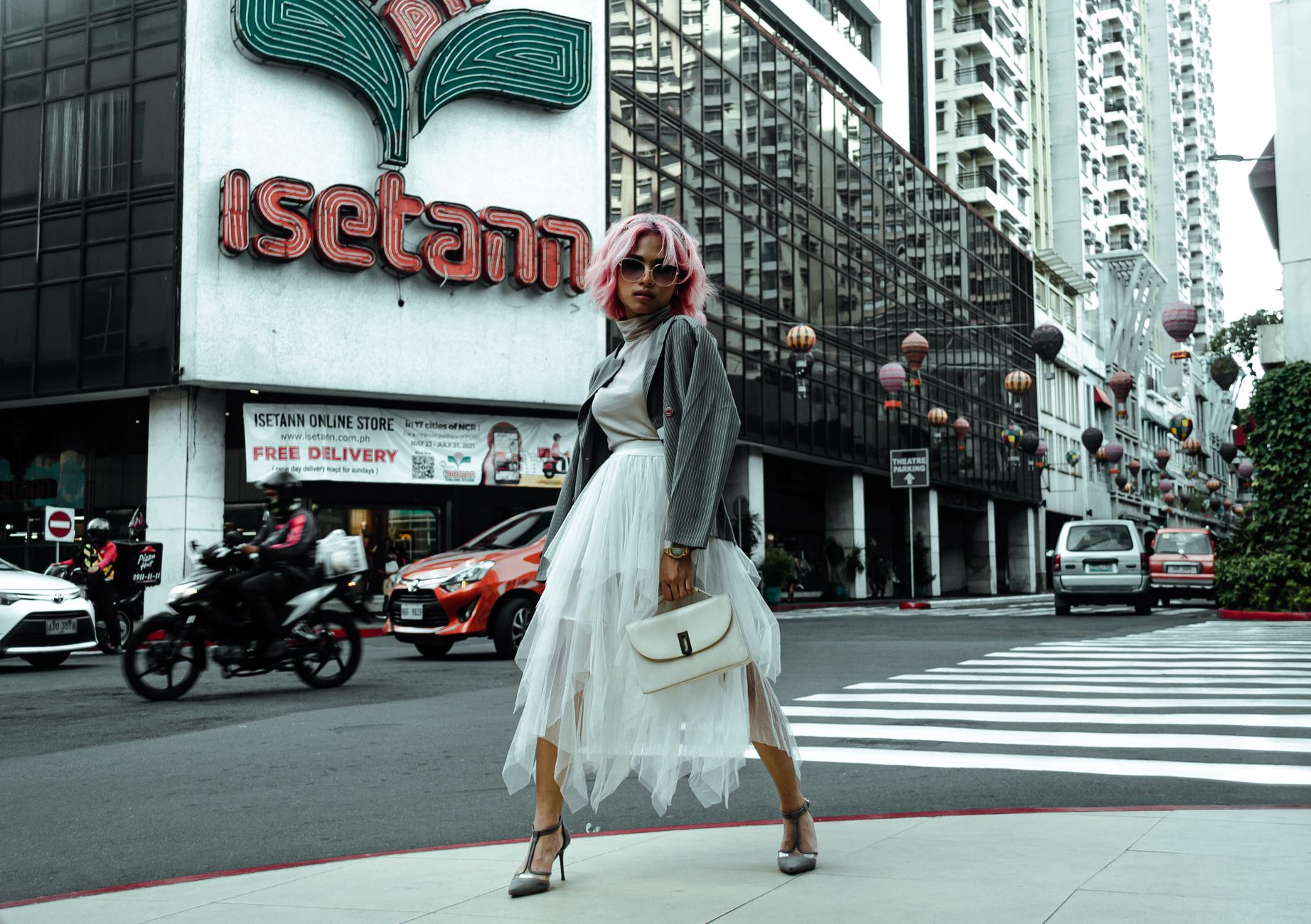
Fashion is not just about clothing; it’s a vibrant expression of culture, identity, and individual creativity. The concept of “Fashion Lee-Spencer” embodies various elements of style, history, and evolving trends. Understanding its background and applying its principles can significantly enhance how we approach personal style and wardrobe choices.
With roots steeped in historical fashion movements and a forward-looking vision for the future, “Fashion Lee-Spencer” invites us to explore how to make these ideas work practically in our everyday lives. This guide will delve into its history, a timeline of influential styles, and a comprehensive style guide to help you curate your wardrobe.
What is “When Fashion Lee-Spencer”?
The term “Fashion Lee-Spencer” refers to a unique blend of fashion styles, trends, and approaches that prioritize individuality, inclusivity, and personal expression. It emphasizes the idea that fashion should resonate with personal identity and that everyone can find their unique style that speaks to them.
The History Behind Fashion Lee-Spencer
The evolution of fashion has seen countless shifts influenced by culture, technology, and individual creativity. To understand “Fashion Lee-Spencer,” we need to look at various fashion eras and movements that have shaped what we wear today.
The Early 20th Century: A Shift in Women’s Fashion
The early 1900s marked a significant shift in women’s fashion as movement toward more practical, comfortable clothing emerged with the suffrage movement. This era was characterized by the transition from restrictive corsets to more liberating silhouettes that allowed women to express their burgeoning independence.
The Roaring Twenties: Flapper Style
The 1920s, known as the Roaring Twenties, brought about unprecedented social change, culminating in a revolutionary approach to fashion. The flapper silhouette, featuring dropped waistlines and androgynous styling, symbolized women’s freedom and desire for self-expression. This laid the groundwork for future inclusive styles within “Fashion Lee-Spencer.”
Mid-Century Revolution: The Rise of Subcultures
Fast forward to the 1950s and 1960s, where fashion became a canvas for subcultures like beatniks and mods, showcasing how clothing can express cultural and personal identity. Flares, leather jackets, and bold patterns defined the era, emphasizing individual styles within a collective movement.
The 1980s: A Colorful Explosion
The 1980s introduced an extravagant palette, exaggerated silhouettes, and bold accessories, encapsulating the idea that fashion should be fun. Designers like Vivienne Westwood and Jean-Paul Gaultier challenged norms, paving the way for non-conformity in fashion and inspiring future generations.
Modern Era: Inclusivity and Sustainability
As we transition into the 21st century, the key influences on “Fashion Lee-Spencer” include a strong focus on inclusivity, sustainability, and ethical production. Modern designers embrace diverse body types, cultures, and sustainable practices, encouraging a fashion-forward movement that’s conscious and community-oriented.
Key Moments in the Timeline of Fashion Lee-Spencer
- 1900s: Introduction of practical fashion for women.
- 1920s: Flapper style symbolizes freedom and individuality.
- 1950s-1960s: Subcultures begin to influence mainstream fashion.
- 1980s: Bold, vibrant fashion encourages self-expression.
- Modern Era: Focus on inclusivity and sustainability becomes paramount.
A Style Guide for When Fashion Lee-Spencer
Now that we have traced the rich history and evolution of Fashion Lee-Spencer, it’s essential to translate these concepts into actionable style advice. Where do we begin, and how can we incorporate these insights into our wardrobes?
Building Your Capsule Wardrobe
A capsule wardrobe is fundamental for both simplicity and style. Here’s how to create yours:
- Identify Your Color Palette: Choose 3-5 colors that reflect your personal style and can mix and match easily.
- Select Versatile Basics: Include items like white t-shirts, tailored blazers, classic jeans, and little black dresses.
- Incorporate Statement Pieces: Add items that showcase your unique style, such as patterned tops or bold accessories.
- Mind Your Footwear: Invest in versatile shoes, like ankle boots, loafers, and classic sneakers that can elevate any outfit.
- Accessorize Thoughtfully: Use accessories to transform looks—think scarves, hats, bags, and jewelry.
Outfit Ideas for Different Occasions
Let’s break down some practical outfit combinations suitable for various occasions:
Workwear
- Tailored bright blazer paired with a crisp white blouse, high-waisted trousers, and loafers for a polished look.
- Classic pencil skirt with a fitted knit top and ankle boots for a chic, professional appearance.
Casualwear
- Relaxed-fit denim jeans paired with a colorful graphic tee and a denim jacket for a laid-back outing.
- Lightweight linen pants with a fitted tank top and sandals for a summer brunch.
Formalwear
- A sleek, floor-length gown in a rich jewel tone, complemented by statement jewelry and strappy heels for a gala.
- A fitted tuxedo suit with a crisp white shirt and sleek dress shoes for an elegant evening event.
Occasion Dressing
- A floral midi dress paired with block heels for a wedding.
- Chic jumpsuit with faux leather jacket and ankle boots for a night out.
Color Coordination and Layering Techniques
Understanding color coordination and layering can enhance your overall outfit appeal:
Color Coordination
- Complementary Colors: Use colors that are opposite on the color wheel for a bold look.
- Analogous Colors: Combine colors next to each other on the wheel for a more harmonious outfit.
- Neutrals: Incorporate neutrals to balance out brighter tones in your ensemble.
Layering Techniques
- Start with a base layer (e.g., a fitted turtleneck).
- Add a mid-layer to create depth (e.g., a cardigan or blazer).
- Finish with a top layer (e.g., a trench coat or oversized jacket) for added style and warmth.
Fashionable Footwear and Accessories
The right footwear and accessories not only complete your outfits but also reflect your personal style. Here are some considerations:
Footwear
- Sneakers: Ideal for casual ensembles; choose stylish options that also offer comfort.
- Boots: Ankle or knee-high boots work for both casual and formal outfits depending on the material and design.
- Heels: A classic choice for formal and professional settings, select a comfortable height that suits you.
Accessories
- Statement Jewelry: Bold pieces can transform a simple outfit into something extraordinary.
- Scarves: These can add color, warmth, and texture to your look.
- Bags: Invest in a couple of versatile options such as a tote for work and a clutch for evenings out.
Fabric Choices and Garment Care
The choice of fabric can significantly affect the comfort, style, and longevity of garments. Consider these fabrics:
Main Fabric Types
- Cotton: Breathable and versatile, suitable for everyday wear.
- Wool: Excellent for warmth, ideal for cooler temps.
- Linen: Lightweight and breathable, perfect for summer styles.
- Silk: Luxurious and elegant, suitable for dressier occasions.
Garment Care Tips
- Read care labels before washing or ironing.
- For delicate fabrics, consider dry cleaning or hand washing.
- Store garments appropriately using padded hangers or folded as needed to retain shape.
- Rotate items in your wardrobe to avoid excessive wear on favorite pieces.
Conclusion
Fashion Lee-Spencer represents the ongoing dialogue between tradition and modernity, inviting you to curate a wardrobe that reflects your style and values. Emphasizing inclusivity and sustainability, it challenges us to embrace who we are through our fashion choices.
Consider trying a versatile outfit combination or rethinking your capsule wardrobe as your next step. Discover how pieces play off each other and express your individuality through thoughtful styling. Explore related outfit ideas or styling tips for practical inspiration as you refine your fashion sense.