
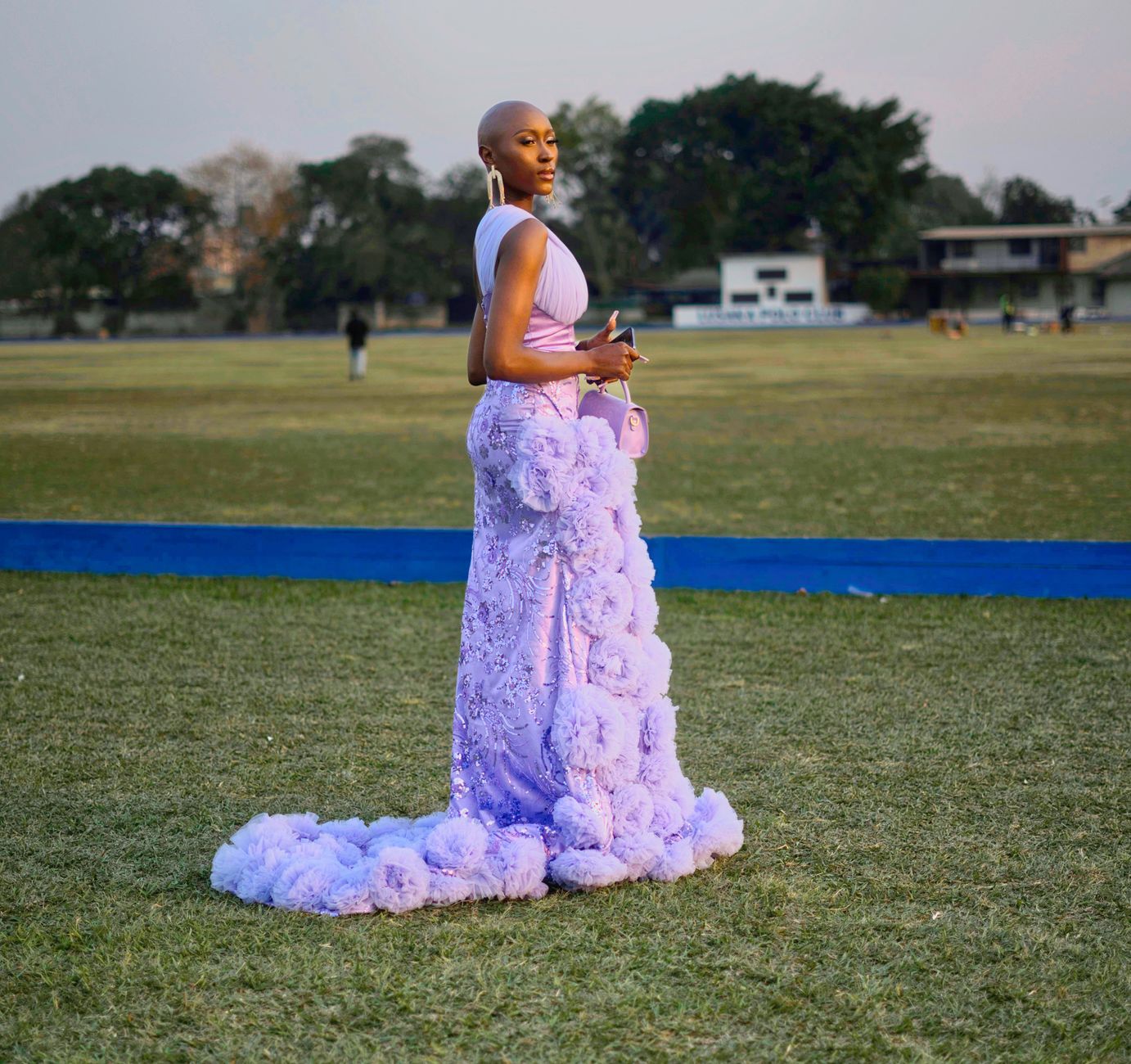
Fashion is an ever-evolving expression of individuality, culture, and creativity. Understanding the statement “Who Wore What” encapsulates not just an array of outfit choices but also the underlying meaning associated with personal style. This guide will delve into the intricacies of what “Who Wore What” means, highlight different types of outfits, provide practical examples, and offer style tips to guide you in crafting your own distinct look.
Whether you are dressing for a casual outing, a formal event, or simply looking to refine your everyday wardrobe, knowing how to navigate through clothing choices and styling techniques will empower you to find your unique voice through fashion.
What Does “Who Wore What” Mean?
The phrase “Who Wore What” often refers to a conversation surrounding fashion choices made by notable figures, such as celebrities, influencers, and public personalities. It acts as a lens through which we can analyze different styles and the impact of fashion on identity and social status.
This discussion can serve various purposes, from celebrating individual style to critiquing fashion choices in light of cultural narratives. The phrase is often used to highlight outfit choices for events, showcasing not only what was worn but also how it resonates within the realm of fashion history and contemporary trends.
Types of Outfits in “Who Wore What”
Understanding the different types of outfits allows you to curate a practical wardrobe that caters to various occasions. Here are some fundamental outfit categories to consider:
- Casual Wear: Comfort-focused attire suitable for relaxed settings, such as jeans and a t-shirt or casual dresses.
- Workwear: Professional garments that typically adhere to corporate dress codes, such as blouses paired with tailored trousers or dresses.
- Formal Wear: Attire for significant events, including tuxedos, gowns, or sophisticated cocktail dresses.
- Occasion Dressing: Outfits tailored specifically for events like weddings, parties, or seasonal celebrations.
- Seasonal Fashion: Clothing that corresponds to the seasons, such as light fabrics for summer or layered pieces for winter.
- Modest Fashion: Styles that prioritize coverage and incorporate unique silhouettes while remaining fashionable.
- Gender-Inclusive Style: Outfits that transcend traditional gender norms, allowing for a more fluid approach to clothing.
Examples of “Who Wore What”
To illustrate this concept, let’s explore some iconic “Who Wore What” moments that signify mixtures of style, culture, and personal flair:
- Red Carpet Gowns: Celebrities at awards shows often wear designer gowns that captivate audiences. For example, Nicole Kidman in a stunning red dress at the Academy Awards not only highlighted her figure but also interpreted a bold color statement.
- Street Style: Influencers donning chic layering techniques, like an oversized trench coat over distressed jeans, showcase how to merge comfort and fashion in everyday settings.
- Mixing Textures: Fashion icons such as Rihanna have turned heads by combining contrasting fabrics, like leather and lace, demonstrating unexpected harmony in bold choices.
- Cultural Attire: Acknowledging cultural influences in fashion, such as the incorporation of traditional garb mixed with modern pieces, showcases the heritage within personal style.
Building a Practical Wardrobe
A wardrobe should reflect not just the latest trends but also practical choices that suit your lifestyle. Here’s how to build an essential wardrobe, categorized into core types of clothing:
Wardrobe Essentials
- Button-up Shirts: Versatile and suitable for both casual and formal occasions. Opt for neutral colors for easier pairing.
- Classic Denim: A good pair of jeans is a staple that pairs with almost anything, from blazers to casual tees.
- Simple Dresses: Choose styles that can be dressed up or down, ideal for various occasions.
- Tailored Blazer: A structured piece that enhances any outfit, from formal to casual.
- Comfortable Footwear: Invest in a pair of versatile shoes that offer comfort and style, like ankle boots or loafers.
Capstone in Color Coordination
Color coordination plays a vital role in style. Here are some techniques to harmonize your outfits:
- Complementary Colors: Pair colors from opposite sides of the color wheel, such as blue and orange, for a striking effect.
- Monochrome Looks: Different shades of the same color create a cohesive and polished appearance.
- Neutral Base: Build outfits around neutral tones and add a pop of color through accessories.
Layering Techniques for Every Season
Layering not only adds dimension to your outfit but also provides versatility across seasons. Here’s a practical guide:
Layering for Warm Weather
- Start with a lightweight base, such as a tank top or short-sleeve shirt.
- Add a sheer kimono or light cardigan that enhances your outfit without adding bulk.
- Complete with a pair of shorts or breathable trousers.
Layering for Cool Weather
- Begin with a fitted long-sleeve top as your base layer for warmth.
- Incorporate a cozy sweater or cardigan to add texture.
- Finish with your favorite winter coat, scarf, and stylish boots.
Choosing Footwear and Accessories
The right footwear and accessories can elevate your outfit. Here’s what to keep in mind while selecting:
Footwear Choices
- Comfort Level: Ensure shoes fit well and are comfortable, particularly for all-day wear.
- Style & Function: Choose footwear that corresponds to your outfit’s formality. Sneakers are casual, while heels are formal.
- Seasonal Appropriateness: Select shoes that suit the weather; opt for breathable materials in hot climates, and insulated options in cooler temperatures.
Accessorizing Your Outfits
- Statement Pieces: Bold necklaces or earrings can serve as focal points, pulling attention to your face.
- Functional Accessories: Hats, scarves, or bags can complement your ensemble while serving a purpose.
- Layered Jewelry: Consider stacking rings or layering necklaces to enhance your style subtly.
Fabrics and Garment Care
Understanding fabrics is crucial in ensuring that your wardrobe pieces last. Here are common fabrics and their properties:
- Cotton: Breathable and easy to care for, making it perfect for casual wear. Machine-washable and durable.
- Linen: Lightweight and breathable, ideal for summer outfits. However, it wrinkles easily.
- Wool: Great for insulation during colder months. Requires specific care, typically dry cleaning.
- Synthetic Fabrics: Often less expensive and resistant to wrinkles but may lack breathability.
When it comes to garment care, always follow the care label instructions. Regular maintenance can significantly extend the life of your clothing, ensuring they remain in top condition for years to come.
Fashion History and its Influence
Fashion history provides valuable context for contemporary styles. Understanding how trends evolve can enhance your appreciation for modern looks. Key historical topics to explore include:
- Influential Designers: Figures like Coco Chanel and Alexander McQueen have fundamentally changed the landscape of fashion.
- Cultural Movements: Styles that emerged from movements, such as punk, disco, or grunge, continue to impact fashion choices today.
- Decade Trends: Analyzing how each decade has influenced current aesthetics can inspire new outfit combinations.
Dressing for Occasions
Dressing appropriately for various occasions is crucial. Here’s a breakdown of different dress codes and outfit suggestions:
Casual Outings
- Combination: A stylish tee, high-waisted jeans, and trendy sneakers.
- Layering: A lightweight jacket for cooler evenings.
Work Events
- Combination: A tailored blouse, pencil skirt, and heels or loafers.
- Finishing Touches: A structured handbag and delicate jewelry.
Formal Occasions
- Combination: A floor-length gown or a well-fitted suit, depending on gender preferences.
- Accessories: Elegant clutches and minimalistic jewelry.
Practical Next Steps
As you navigate the landscape of fashion, experimenting with styles that resonate with you is the key to personal expression. Start by curating a capsule wardrobe that features essential pieces, try mixing and matching while being mindful of color coordination, and gradually learn how to incorporate layering techniques.
Staying aware of fabric types and garment care will empower you to make responsible decisions while building your wardrobe. Remember, every outfit is an opportunity to express who you are, so have fun with your style!
Explore related outfit ideas, styling tips, and fashion guides for more inspiration on your fashion journey, including what to wear for special occasions and tips for dressing like the fashion icons. Check out the details on Taylor Swift’s Wedding Dress and learn about Kate’s Fashion Choices.