
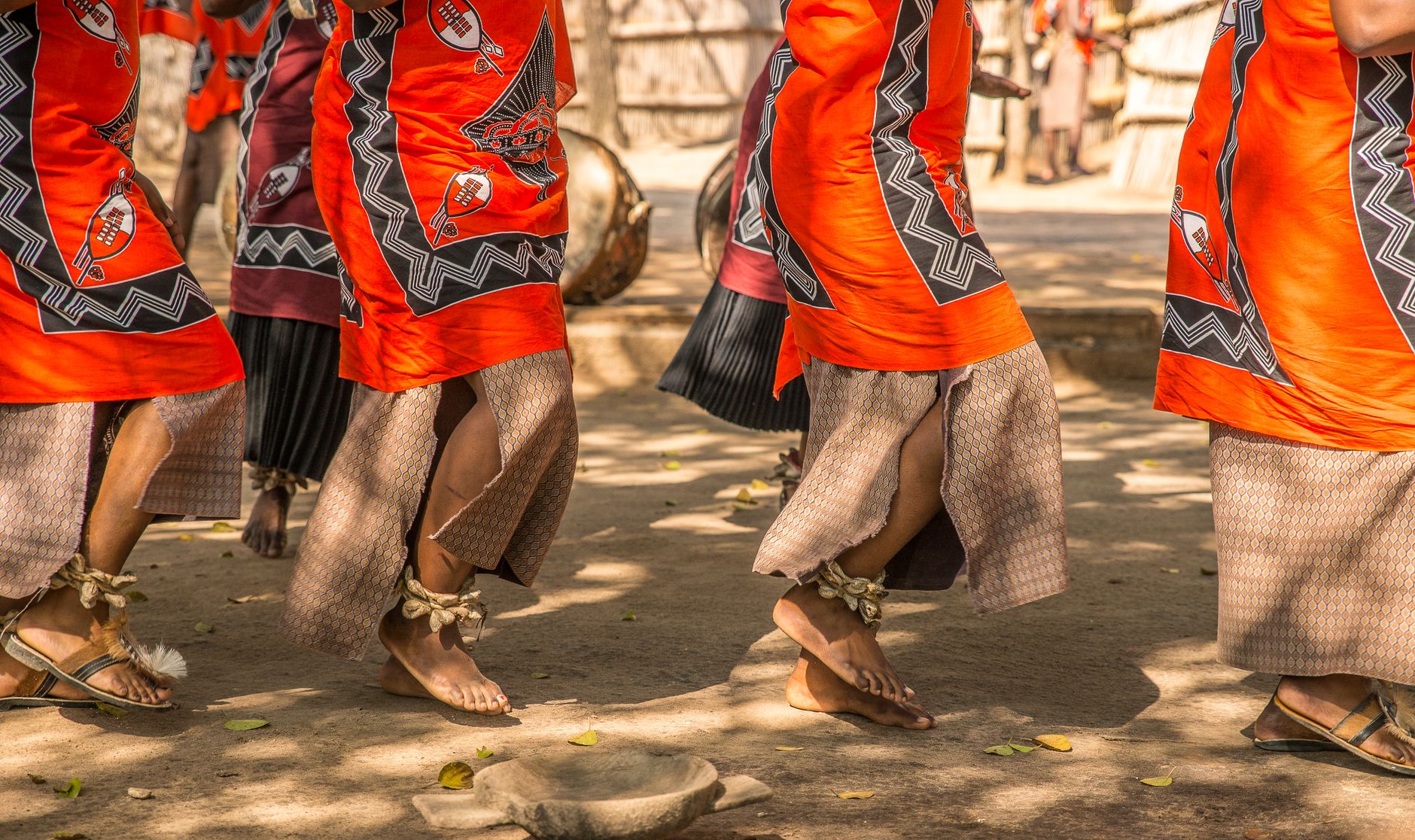
Fashion Mozambique represents a vibrant and diverse tapestry of cultural influences, styles, and sartorial expressions. Nestled in Southeast Africa, Mozambique’s fashion scene emerges from a blend of rich historical narratives, local craftsmanship, and modern trends that celebrate the nation’s heritage while embracing global aesthetics.
In this article, we’ll explore what makes fashion in Mozambique unique, its origins, contemporary styles, and how to incorporate these influences into your wardrobe and personal style. Discover why this dynamic fashion landscape deserves your attention.
What Makes Fashion Mozambique Unique?
Fashion Mozambique is characterized by an eclectic mix of traditional attire and modern influences, reflecting the region’s history, culture, and socio-economic dynamics. The importance of color, pattern, and fabric plays a significant role, as does the way clothing is worn and styled.
- Tradition Meets Modernity: Traditional garments like the capulana—a colorful piece of cloth worn by women—are repurposed and styled in creative and fashionable ways that resonate with contemporary trends.
- Cultural Representation: Fashion in Mozambique often represents various ethnic groups and their unique identities. Clothing becomes a form of storytelling, making bold statements about the wearer’s background.
- Vibrant Colors and Patterns: Bright colors and intricate patterns define the Mozambican fashion space, celebrating the local environment and spirit through visual expression.
Historical Context of Mozambican Fashion
The roots of fashion in Mozambique can be traced back to historical influences from indigenous groups, Portuguese colonialism, and intercultural exchanges along trade routes. Each of these influenced how clothing evolved over centuries.
- Traditional Attire: Before colonial influences arrived, Mozambican attire was deeply tied to local customs. Clothes were typically handwoven and adorned with beads, reflecting cultural significance.
- Colonial Influences: The Portuguese brought with them European fashion sensibilities, which merged with local styles to create unique outfits combining European cuts with African fabrics.
- Modern Era: The post-independence era saw an emergence of self-identity, with Mozambican designers striving to redefine fashion through indigenous artistry fused with contemporary design.
Key Elements of Mozambican Style
The stylistic choices in Mozambique are defined by several key elements; including fabric, design, and influence. Understanding these will help you appreciate and integrate the essence of Mozambican fashion into your wardrobe.
Fabrics
The choice of fabric in Mozambican fashion can significantly impact both comfort and style. Here are some common fabrics used:
- Capulana: This traditional cotton fabric features vibrant prints, making it versatile for crafting diverse garments, from skirts to head wraps.
- Linen and Cotton: Light, breathable fabrics suitable for the warm climate of Mozambique, they provide comfort and are often used for both casual and formal wear.
- Silk and Synthetics: Used increasingly in modern styles, these materials allow for fashionable silhouettes and detailed garment structures.
Colors and Patterns
Color is a hallmark of Mozambican fashion. Bold colors often signify celebration or important cultural events. Patterns, especially those seen in capulanas, can illustrate local stories or heritage.
This approach means that when styling outfits inspired by Mozambican fashion, incorporating vibrant colors and bold patterns is essential. Consider pairing a patterned top with neutral bottoms to balance your look.
Accessories and Footwear
Accessories play a crucial role in Mozambican style. They can elevate a simple outfit from everyday to exceptional. Here are some popular accessories:
- Headwraps: A beautiful way to incorporate traditional elements while keeping the hair neat and stylish.
- Beaded Jewelry: Local artisan craftsmanship shines through exquisite beaded pieces that can serve as conversation starters.
- Sandals and Loafers: Comfortable footwear options that complement both casual and traditional attire.
Incorporating Mozambican Fashion into Your Wardrobe
Adapting elements of Mozambican fashion into your wardrobe can be both fulfilling and fun. Here are practical outfit ideas and styling tips to help you embrace this style:
Outfit Ideas
Here are several outfits inspired by Mozambican fashion that you can easily replicate:
- Casual Day Out:
- Pair a colorful capulana skirt with a simple white tank top.
- Add flat sandals and oversized jewelry for a relaxed yet stylish look.
- Work Attire:
- Select a tailored linen shirt and high-waisted trousers.
- Accessorize with a woven belt and minimalistic jewelry.
- Finish with loafers that provide both comfort and sophistication.
- Formal Event:
- Opt for a fitted dress made from a striking capulana fabric.
- Complement with statement earrings and a clutch bag.
- Choose elegant heels or embellished sandals to enhance the look.
Understanding Fit and Proportions
Fit is vital in any outfit selection, and understanding how to create flattering silhouettes will elevate your style.
- For voluminous skirts or layers, opt for fitted tops to balance proportions.
- Tailored pieces lend a polished look, especially in professional settings.
- Experiment with layering by mixing textures and lengths; a long tunic over fitted pants creates an interesting visual effect.
Color Coordination
Color coordination is essential for achieving stylish outfits. Here are some tips specific to blending colors influenced by Mozambican style:
- Use bold colors as statement pieces and tone them down with neutral bases.
- Consider color families; warm colors (reds, oranges) work well together, as do cool colors (blues, greens).
- Mix patterns mindfully; keep one element consistent—either color or style—to avoid visual chaos.
Seasonal Dressing
Mozambique experiences varying climates, from humid coastal regions to warmer inland areas. Here’s how to dress according to season:
- Summer: Opt for lightweight fabrics like cotton and linen. Maximize ventilation with loose fits and breathable shoes.
- Winter: Layer pieces, combining lighter tops with heavier, structured jackets. Incorporate closed-toed footwear to keep warm.
Fashion Influence and Social Commentary
Fashion in Mozambique is not merely about aesthetics; it serves as a form of social commentary, highlighting issues such as gender, culture, and identity.
Gender-Inclusive Style
Gender inclusivity in fashion is growing in Mozambique, with designers recognizing the fluidity of gender and expressing it through their collections. Here’s how to adopt a gender-inclusive approach:
- Choose neutrally designed pieces that break traditional gender norms.
- Embrace androgynous styling by combining traditionally masculine and feminine cuts.
- Wear accessories in unconventional ways that challenge typical gender presentation.
Caring for Mozambican Fabrics
Taking care of garments crafted from Mozambican fabrics ensures their longevity and preserves their unique appearance. Here are essential care tips:
- Read Care Labels: Always check the care instructions specific to each garment, as different fabrics have varying requirements.
- Wash Gently: Handwashing is often recommended for delicate fabrics to avoid damage.
- Drying: Avoid direct sunlight for drying; instead, lay flat or hang in the shade to preserve color.
Where to Shop for Mozambican Fashion
Supporting local designers and artisans is vital to fostering the growth of Mozambique’s fashion scene. Here are ways to find unique pieces:
- Explore local markets for handcrafted garments and accessories that embody traditional craftsmanship.
- Visit boutique stores that specialize in Mozambican designs, showcasing the work of local designers.
- Seek out online platforms that offer curated collections of Mozambican art and fashion to find unique styles.
Conclusion and Next Steps
Fashion Mozambique offers a rich palette of history, style, and cultural significance that serves as inspiration for personal expression. By incorporating elements from Mozambican fashion into your wardrobe, you not only enhance your style but also pay homage to the vibrant story behind it. Try mixing patterns, investing in a capulana, or exploring local artisans for unique accessories. Each step allows you to celebrate this beautiful blend of tradition and modernity.
For more outfit inspiration and styling tips, check out how to style linen pants and discover how to wear a pashmina for versatile looks that adapt to any season.