
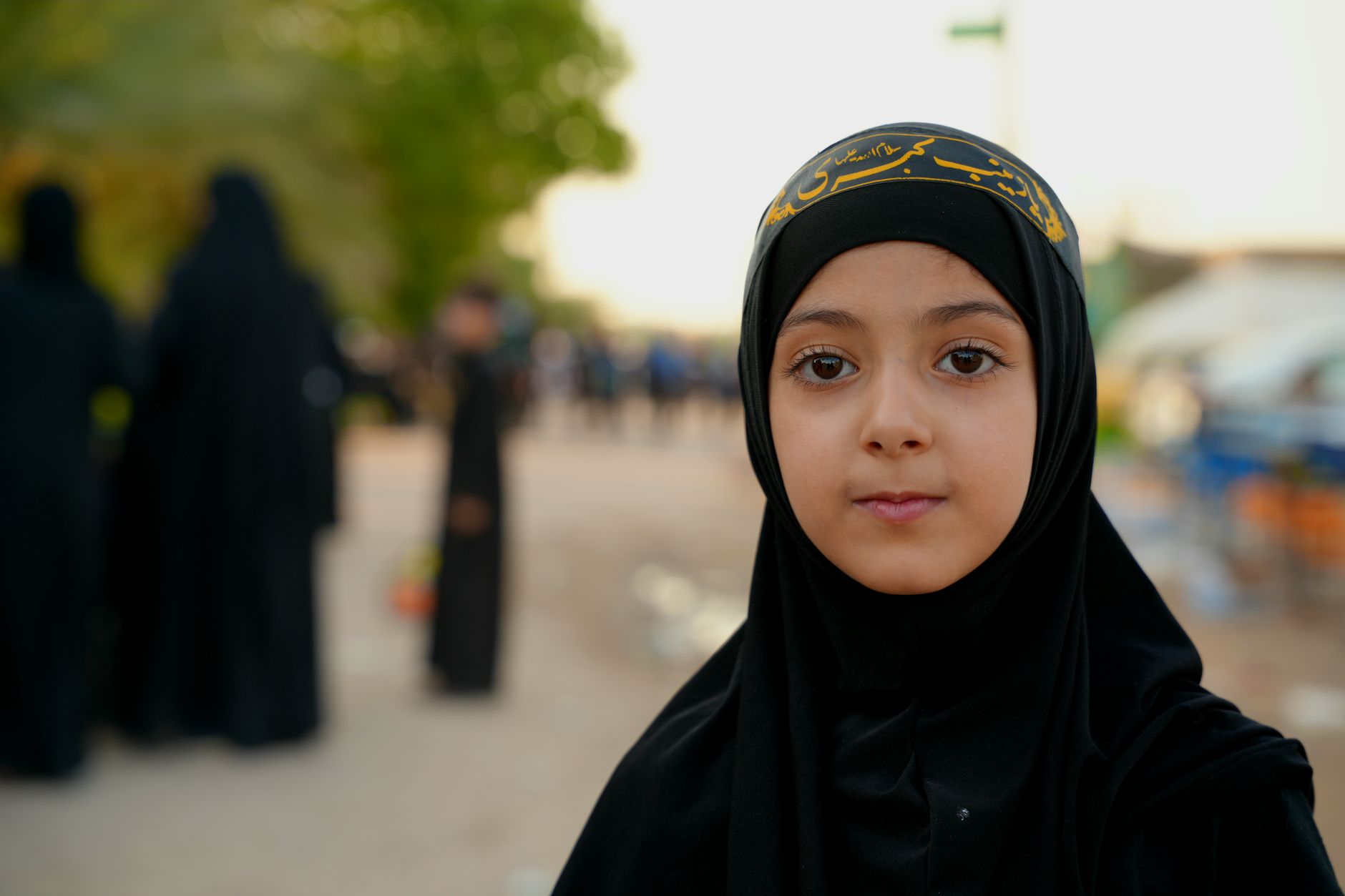
Fashion in Iraq is a rich tapestry woven from the country’s cultural heritage, history, and modern influences. This article explores the various reasons that make Iraqi fashion unique, its origins, and the distinctive styles that define it. We aim to provide insights into how you can incorporate elements of Iraqi fashion into your own wardrobe.
From traditional garments to contemporary street style, the evolution of clothing in Iraq reflects the nation’s resilience and vibrant culture. Whether you seek to adapt these styles into everyday wear or wear them for special occasions, understanding Iraqi fashion can enhance your personal style journey.
Why Fashion Iraq?
Fashion in Iraq is a blend of historical significance and modern expression. The unique styles, fabrics, and craftsmanship reflect not just societal traditions but also the diversity of the Iraqi people. By understanding these aspects, individuals can appreciate, adopt, and celebrate Iraqi fashion in all its forms.
The Origins of Iraqi Fashion
The evolution of fashion in Iraq is deeply rooted in its history. Iraq, known as Mesopotamia, has one of the oldest civilizations. Over the centuries, various empires, including the Sumerians, Babylonians, and Ottomans, have influenced the clothing styles seen today.
Traditional garments such as the abaya for women and dishdasha for men have origins in these ancient cultures. These garments often serve practical purposes while also embodying elegance and beauty, making them timeless pieces.
Influences on Contemporary Fashion
Modern Iraqi fashion is shaped by a mix of cultural influences, globalization, and individual expression. Designers draw inspiration from traditional textiles, elaborate embroidery, and modern silhouettes to create something entirely new. The integration of Western fashion trends has also played a role, creating a unique fusion that resonates with younger generations.
Distinctive Styles in Iraqi Fashion
Iraqi fashion encompasses a range of styles suitable for various occasions. Understanding these different styles can help you mix and match pieces for everyday wear or dress up for special events.
Traditional Garments
- Abaya: A loose-fitting robe worn by women, usually paired with a headscarf. The abaya varies in material and embellishment, reflecting the wearer’s taste.
- Dishdasha: A long tunic worn by men in many Middle Eastern cultures. It is traditionally white but comes in various colors, often combined with a ghutrah or agal.
- Sherwani: A formal jacket worn for special occasions by men, often heavily embroidered, paired with complementary trousers.
- Kaftan: A flowing garment for women that can be used casually or dressed up. Often made from vibrant fabrics, it exemplifies Iraqi craftsmanship.
Contemporary Trends
Modern Iraqi fashion designers have started blending traditional patterns with contemporary cuts. Here are some trending styles:
- Streetwear: A mix of casual and chic, incorporating hoodies, tailored pants, and sneakers.
- Gender-Inclusive Apparel: Emphasizing comfort and style, these clothing lines focus on removable gender markers, widening the scope of versatility.
- Bohemian Styles: Emphasizing flowy fabrics, patterns, and earthy colors, bohemian fashion resonates with the cultural richness of Iraq.
Outfit Combinations for Various Occasions
Incorporating Iraqi fashion elements into your wardrobe can be both fun and easy. Here are some outfit combinations suitable for different occasions.
Casual Wear
- Pair blue denim jeans with a colorful abaya-style cardigan. Complete the look with simple sandals for a comfortable yet chic outfit.
- A white long-sleeve tunic shirt with tailored trousers and loafers creates a polished but casual look.
- Wear a fitted kaftan with distressed jeans and ankle boots for a trendy yet relaxed vibe.
Workwear
Iraqi-inspired workwear can emphasize professionalism while allowing for individual expression:
- Opt for a tailored dishdasha paired with smart loafers for a refined appearance.
- A structured blazer over a fitted blouse with cigarette trousers serves as a stylish alternative, balancing tradition and modernity.
- Explore stylish fabric choices, like linen or silk blends that allow for breathability while maintaining a professional look.
Formal Occasions
Dress to impress with these sophisticated outfit ideas for formal events:
- A floor-length kaftan with intricate embroidery, paired with statement jewelry and elegant heels.
- A tailored sherwani in rich fabrics like silk, matched with traditional accessories.
- For women, a luxurious evening gown inspired by traditional colors, featuring delicate stitching and a contemporary silhouette.
Color Coordination and Fabric Choices
Understanding color palettes and fabric selections can significantly enhance the overall aesthetic of your outfit. Here are some ways to approach this:
Colors
When selecting colors, consider both your skin tone and the occasion:
- Earthy tones like deep browns, sandy beiges, and muted greens align well with the natural landscapes of Iraq.
- Rich jewel tones such as emerald, ruby, and sapphire work beautifully for evening wear or formal occasions.
- Soft pastels can provide a refreshing look for casual settings, while monochrome outfits elevate sophistication.
Fabrics
Choosing the right fabric is important for both comfort and style:
- Cotton: Breathable and easy to care for, cotton is ideal for everyday wear.
- Silk: Known for its luxurious feel, silk is perfect for formal wear.
- Wool: Great for layering in cooler months; consider lightweight options for comfort.
Layering and Seasonal Dressing
Adapting your wardrobe to seasonal changes is crucial. Here’s how to approach layering and dressing for various climates:
Layering Techniques
- Start with a fitted base layer such as a turtleneck or blouse.
- Add a mid-layer like a cardigan or lightweight jacket for warmth.
- Top it with a tailored coat or an elegant abaya for a polished finish.
Seasonal Adaptations
Consider the following adjustments for changing seasons:
- In summer, opt for lightweight fabrics like linen or cotton and keep to short sleeves or sleeveless styles.
- Autumn can call for layering with cardigans or shawls, using warm colors like burnt orange or deep red.
- In winter, go for thicker materials and embrace accessories like scarves, gloves, and hats.
- Spring allows a mix of vibrant colors and patterns, showcasing lighter layers.
Tips for Garment Care
Proper care of your fashion pieces ensures longevity. Here are some essential tips:
- Always check care labels for washing and drying instructions.
- For delicate fabrics like silk, hand wash in cold water and air dry.
- Store garments properly, ensuring they are clean and wrinkle-free, using padded hangers for heavy pieces.
- Invest in a good garment bag for seasonal storage, protecting garments from dust and damage.
Shopping for Iraqi Fashion
Finding the right stores or designers that align with your style is key. Here are some tips:
- Support local designers by visiting boutiques that focus on contemporary and traditional Iraq-inspired fashion styles.
- Look for online platforms that curate Iraqi fashion, offering a wide range of garments.
- Consider attending local fashion shows to experience the latest trends and connect with designers.
Gender-Inclusive Styles
Fashion today emphasizes inclusivity, and Iraqi fashion is no exception. There is a growing trend to incorporate gender-neutral designs that appeal to diverse preferences.
Look for garments that are versatile, focusing on comfort and style rather than traditional gender constraints. Examples include oversized tunics and unisex trousers that can be styled in multiple ways for all body types.
The Future of Fashion Iraq
The future of fashion in Iraq appears promising, especially with the rise of new and emerging designers. With increased interest in traditional craftsmanship and sustainable practices, the Iraqi fashion scene is set to evolve further.
Innovation in textile design and the integration of technology into the fashion industry will pave the way for a modern revolution, allowing for more expression while maintaining cultural significance.
Conclusion
Exploring and embracing Iraqi fashion offers a unique opportunity to celebrate cultural heritage while expressing personal style. From traditional garments to modern adaptations, this fashion journey highlights individuality, trends, and the vibrant history of Iraq.
As you curate your wardrobe, consider incorporating elements of Iraqi fashion that resonate with your taste, whether for casual, work, or formal occasions. You could start by mixing layers or experimenting with color palettes that reflect your style.
For further stylings, check out our guides on styling linen pants or discover trendy boot styles for men. Exploring these resources will help you expand your fashion repertoire while embracing the essence of Iraq.
Explore related outfit ideas, styling tips, or fashion guides to enhance your wardrobe further. Check out how to style linen pants and how to style boots for men for more inspiration.