
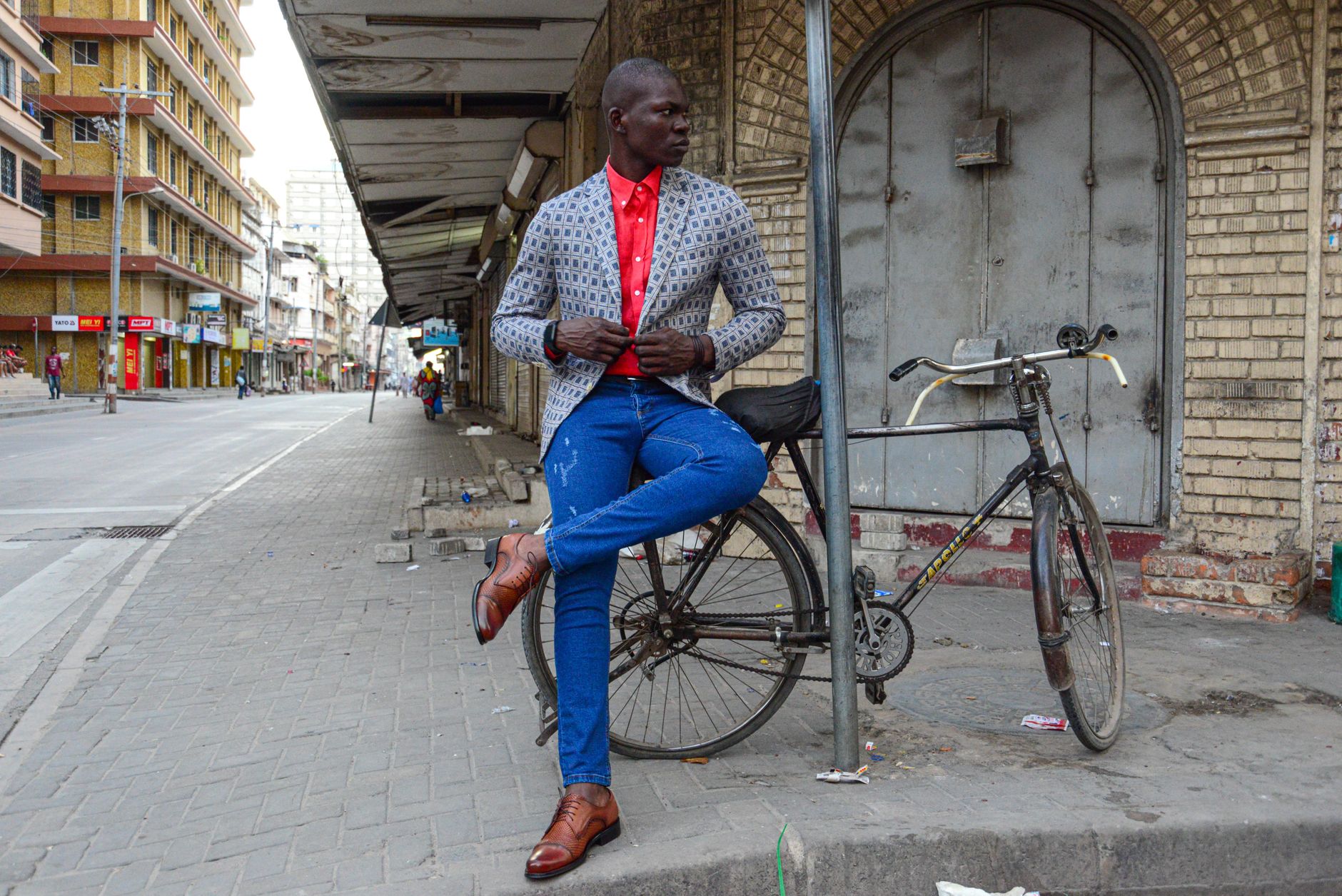
Uganda’s fashion scene is vibrant and diverse, celebrating rich cultural heritage while embracing modern trends. With a variety of clothing styles, textiles, and accessories, understanding how to navigate this landscape can elevate your personal style. This guide covers essential fashion insights, outfit ideas, and practical styling advice for anyone looking to enhance their wardrobe in Uganda.
From casual wear to formal events, our complete guide will help you make informed choices about fit, color, and style, ensuring that you not only look great but also feel confident. Let’s explore how to curate outfits that reflect your personality while considering the unique aspects of Ugandan fashion.
Which Fashion Uganda?
When thinking about fashion in Uganda, one must appreciate its blend of traditional and contemporary elements. The rich colors and textures seen in Ugandan garments often reflect the landscape, cultural symbols, and local craftsmanship. Style in Uganda is characterized by both aesthetic appeal and functionality, making it ideal for a variety of occasions.
Understanding Fit and Proportion
The foundation of any great outfit starts with the right fit and proportion. Whether you are dressing for a warm Ugandan climate or a formal event, understanding these elements can dramatically transform your appearance.
- Know Your Measurements: Taking accurate measurements is essential. Focus on your bust, waist, hips, and inseam to find pieces that fit well.
- Body Shapes: Different body shapes—pear, apple, hourglass, and athletic—benefit from specific styles. Choose cuts that accentuate your best features.
- Tailoring Options: If you find that something doesn’t fit perfectly, consider tailoring. A well-tailored garment can elevate your look significantly.
Outfit Ideas for Different Occasions
Fashion in Uganda can adapt to a variety of occasions, from casual outings to formal events. Here are outfit ideas that can guide your fashion choices:
Casual Wear
For everyday wear, comfort and style should go hand in hand. Here are some essential pieces and combinations:
- Outfit 1: A loose-fitting cotton t-shirt paired with high-waisted shorts and trendy sneakers. This combination is both relaxed and chic.
- Outfit 2: A colorful printed maxi dress with slip-on sandals for a day out. This outfit captures the essence of Ugandan vibrancy.
- Outfit 3: A button-up linen shirt combined with tailored chinos. This look is perfect for casual Friday or brunch with friends.
Workwear
Workwear generally calls for a balance of professionalism and personal style. Here are some options:
- Outfit 1: A fitted blazer over a plain blouse and tailored trousers. This classic combination ensures a refined appearance.
- Outfit 2: A knee-length pencil skirt paired with a tucked-in shirt and loafers. Sleek yet comfortable, it’s great for an office environment.
- Outfit 3: A smart-casual dress layered with a structured trench coat during cooler seasons.
Formal & Occasion Dressing
Formal events may require more attention to detail. Here’s how to elevate your appearance:
- Outfit 1: A tailored suit in a neutral color paired with a silk blouse. Complement this with elegant heels for a polished look.
- Outfit 2: An elegant floor-length gown or traditional attire like a Mbondo, which beautifully showcases cultural heritage.
- Outfit 3: For men, a well-fitted tuxedo with a classic bow tie adds sophistication to any formal occasion.
Wardrobe Essentials and Capsule Wardrobes
Building a versatile wardrobe is fundamental for effortless styling. Here are essential pieces to consider for your capsule wardrobe in Uganda:
- Basic Tops: Invest in well-fitted t-shirts, blouses, and button-ups that can be easily mixed and matched.
- Pants and Skirts: A pair of tailored trousers, denim jeans, and a classic skirt can work for many occasions.
- Dresses: Have a couple of versatile dresses—one casual and one formal—ready for when the need arises.
- Footwear: A pair of casual shoes, office-appropriate flats, and formal heels or polished shoes for men.
- Outerwear: A lightweight jacket or blazer for layering when temperatures dip in the evenings.
Color Coordination and Fabric Choices
Understanding color coordination and fabric types is vital in creating visually appealing outfits. Here are some tips:
Color Coordination
Choosing the right colors can enhance your style. Consider these elements:
- Understanding Your Skin Tone: Warm skin tones typically look great in earthy colors like browns and yellows, while cool tones suit blues and greens.
- Color Wheel Basics: Complementary colors (opposite each other on the wheel) and analogous colors (next to each other) are great combinations.
- Seasonal Themes: Bright and vibrant colors are perfect for summer, while deep tones work well in the colder months.
Fabric Choices
Understanding various fabrics can make outfit choices more comfortable and stylish:
- Cotton: Breathable and versatile, making it perfect for both casual and formal wear.
- Linen: Light and airy, ideal for warm Uganda weather. Great for dresses, shirts, and trousers.
- Wool: Excellent for colder weather; keep in mind it can be heavier, so it’s suitable for layering.
- Silk: Luxurious and elegant, a natural choice for formal occasions or office wear.
Layering Techniques for Different Seasons
Layering is essential for adapting to Uganda’s climate, which can vary from warm days to cooler evenings. Here are some techniques:
- Start with a Base: Use lightweight fabric for your base layer to allow comfort without bulk.
- Add a Middle Layer: Use blazers or cardigans that can be easily unlayered if it gets too warm. Tailored cuts are preferred.
- Include an Outer Layer: A light trench coat is ideal for evening outings. Keep the fabric breathable.
Accessorizing Your Outfits
Accessories bring personal flair to any outfit. Here’s how to thoughtfully incorporate them:
- Bags: Choose bags that reflect your style—be it a sleek handbag for work or a colorful tote for casual outings.
- Jewelry: Opt for statement pieces like large earrings or layered necklaces to enhance your look without overpowering it.
- Scarves: Adding a scarf can elevate even the simplest outfits, providing both style and warmth when needed.
- Hats: A stylish hat can be functional and fashionable, providing shade while making a statement.
Garment Care and Maintenance
Taking proper care of your clothing extends its life. Here are quick tips on garment care:
- Read Care Labels: Always check the care label before washing; it contains crucial information on cleaning methods.
- Washing: Use cold water for most fabrics to prevent shrinking and color fading, especially for cotton and blends.
- Drying: Air-drying is preferable for delicate fabrics to avoid damage. Use a low-heat setting for machine drying heavy fabrics.
- Storage: Fold heavy knits to avoid stretching and use padded hangers for jackets and blazers to maintain shape.
Shopping Tips in Uganda
Finding the right clothing in Uganda can seem daunting, but it doesn’t have to be. Here’s how to make the most of your shopping experience:
- Local Markets: Explore markets for unique, handcrafted pieces that reflect the culture and artistry of Uganda.
- Global Brands: Look for international brands that offer styles applicable in the Ugandan context, often with high-quality fabrics.
- Online Shopping: Websites may offer convenience, but check local delivery options and return policies.
- Stay Budget Conscious: Assess quality versus price. Investing in better quality often means longer-lasting staples.
Cultural Influences on Ugandan Fashion
Fashion in Uganda is deeply intertwined with its rich cultural history. Traditional clothing plays a significant role, especially during ceremonies and holidays. Some key garments include:
- Gomesi: A traditional dress worn by women, characterized by its vibrant colors and detailed embroidery.
- Kanzu: A long robe typically worn by men, often seen in religious settings or cultural ceremonies.
- Obuuntu: Reflective of the diverse cultural practices and can vary between regions, showcasing local textiles and patterns.
Adapting Fashion for Gender-Inclusive Style
Uganda’s fashion scene is gradually embracing gender-inclusive styles. Anyone can wear patterns and colors they love! Here are some ways to incorporate inclusivity into your wardrobe:
- Fluid Garments: Choose pieces that can be worn by anyone, such as oversized shirts or loose trousers.
- Color Versatility: Fashion isn’t restricted by gender; explore a range of colors available across genders.
- Tailoring for All: Seek out unisex tailoring options that offer a flattering fit for diverse body types.
With its stunning fabrics, rich traditions, and modern influences, Uganda’s fashion scene offers countless opportunities for self-expression. Explore local designs, embrace comfort, and adopt your unique style choices while respecting the beauty of this remarkable culture.
Put together some outfits using the tips shared here, and take a moment to evaluate your wardrobe. Try out the pairing of garments like those outlined, focusing on fit and comfort. Articulate your style in a way that celebrates both personal preference and cultural appreciation.
For more styling insights, check out how to style linen pants with tips on mixing and matching colors and textures, or discover how to style wide-leg jeans for a casual yet chic look.