
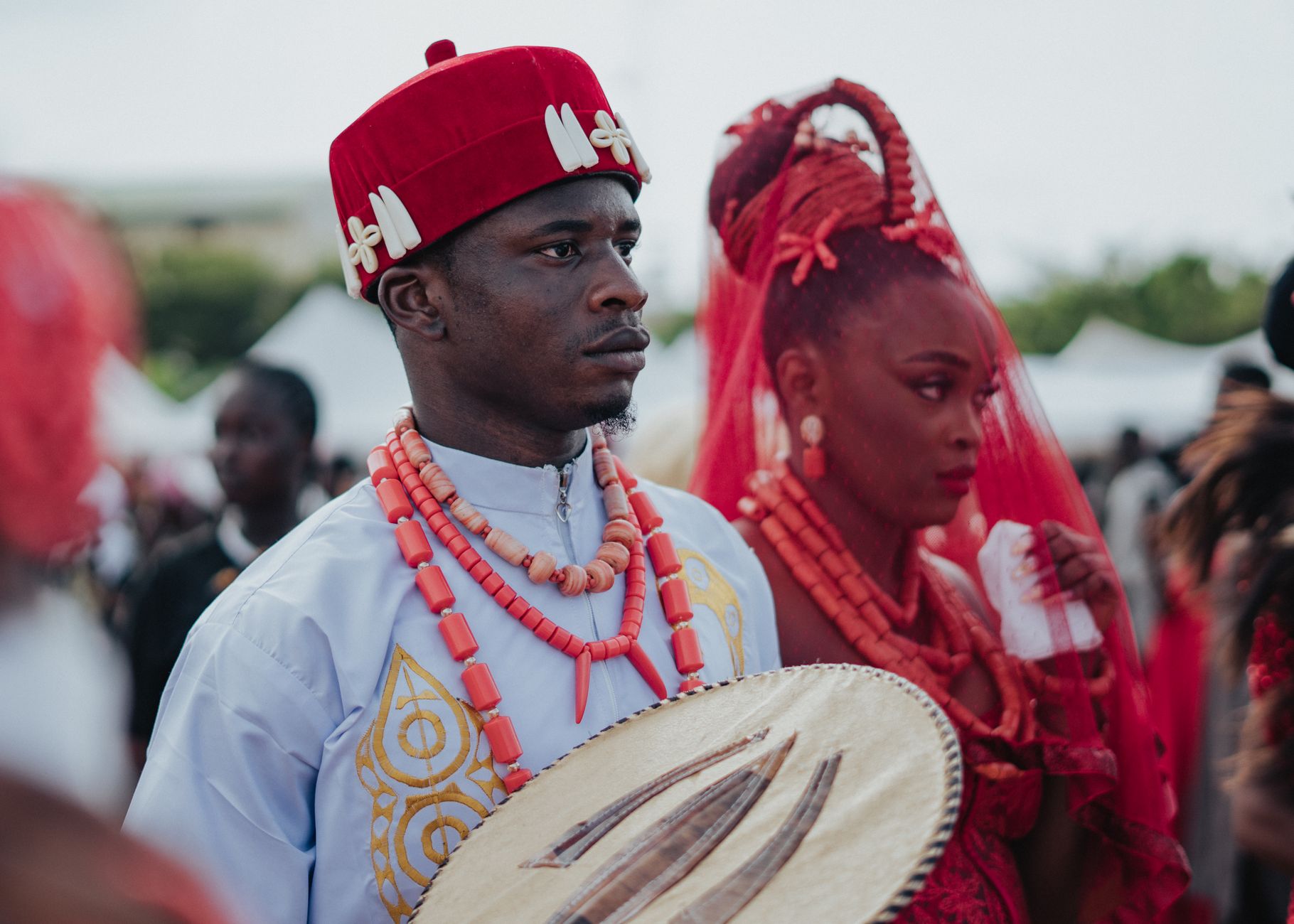
Fashion in Nigeria is a vibrant expression of culture, heritage, and contemporary trends. With a rich history of textiles and craftsmanship, Nigerian fashion captivates with its unique style, ensuring that each piece tells a story. In this comprehensive guide, we will navigate various aspects of Nigerian fashion, offering practical styling tips and outfit ideas to help you elevate your wardrobe.
Whether you are looking to embrace traditional attire, adapt modern trends, or curate a versatile closet, this guide covers everything from outfit combinations to fabric choices. Let’s explore the exciting world of fashion in Nigeria!
What is Fashion Nigeria?
Nigerian fashion encompasses a diverse blend of styles influenced by the country’s numerous ethnic groups, traditions, and urban trends. It celebrates vibrant colors, intricate patterns, and exceptional craftsmanship, creating a unique aesthetic that is both contemporary and traditional.
Nigerian Fashion Styles
Nigerian fashion styles vary significantly across different regions and cultures. Some key styles include:
- Adire: A traditional indigo-dyed cloth, often intricately designed using resist-dye techniques.
- Ankara: A brightly colored African print fabric that is popular for both casual and formal wear.
- Dashiki: A loose-fitting top or dress with elaborate designs, often worn casually or on special occasions.
- Kaftan: A long, flowing garment that offers both elegance and comfort, suitable for various occasions.
Outfit Ideas for Every Occasion
When it comes to Nigerian fashion, having versatile outfit ideas can help you navigate various occasions with style. Here are some suggestions based on different settings:
Casual Wear
For relaxed occasions or everyday wear, consider the following outfit combinations:
- Ankara crop top and high-waisted jeans: Pair a vibrant Ankara crop top with high-waisted denim jeans and sandals for a stylish, casual look.
- T-shirt and printed trousers: Opt for a basic tee with bold, printed trousers, completing the outfit with sneakers for comfort.
Work Wear
When dressing for the office, aim for a balance between professionalism and personal style. Try these combinations:
- Structured blazer and wide-leg trousers: A tailored blazer over a simple blouse paired with wide-leg trousers creates an elegant, polished silhouette.
- Pencil skirt and blouse: A classic pencil skirt paired with a fitted blouse and loafers is a timeless workwear option.
Formal Wear
For formal events, you can never go wrong with these choices:
- Flowy maxi gown: Choose a floor-length gown in a rich fabric, embellished for formal elegance.
- Tailored suit: A well-fitted suit, whether in a solid color or with subtle patterns, is an ideal formal choice for men and women alike.
Occasion Dressing
Special occasions call for standout outfits that reflect culture and style:
- Traditional attire: Embrace native outfits, like the Igbo isi agu or Yoruba agbada, which represent rich cultural heritage.
- Modern twists on traditional wear: Consider blending traditional fabrics, such as satin or lace, with modern silhouettes for weddings and parties.
Building Your Wardrobe Essentials
A well-curated wardrobe can simplify getting dressed while ensuring you look your best. Here are key essentials to include:
Key Pieces for Women
- Classic White Shirt: A versatile piece that can be dressed up or down.
- Little Black Dress: Perfect for almost any occasion, easily accessorized to fit the mood.
- Pencil Skirt: A staple that works well in professional and formal settings.
- Comfortable Footwear: Quality flats or heels that can transition from day to night.
Key Pieces for Men
- Classic Suit: A tailored suit in a neutral color for formal events or work.
- Polo Shirts: A smart-casual option that pairs well with trousers or shorts.
- Chinos: Versatile and comfortable, great for casual outings.
- Dress Shoes: A pair of classic oxfords or loafers can elevate any look.
Color Coordination and Layering
Understanding how to coordinate colors and layer outfits is essential in creating stylish looks.
Color Coordination Tips
- Choose a dominant color: Select one main color to build your outfit around and add complementary hues.
- Utilize the color wheel: Look for opposite or adjacent colors on the wheel for harmonious combinations.
Layering Techniques
- Start with a base layer: A simple top or dress can serve as the foundation for your layered look.
- Add a mid-layer: Incorporate fitted jackets or cardigans for additional warmth and style.
- Finish with outerwear: Select a statement coat or a stylish scarf to complete the ensemble.
Seasonal Dressing
Adapting your wardrobe to different seasons is essential. Here’s how to dress for varying weather conditions in Nigeria:
Dry Season
- Lightweight Fabrics: Opt for breathable materials like cotton and linen to stay cool.
- Sun Protection: Incorporate wide-brimmed hats and sunglasses into your outfits.
Rainy Season
- Waterproof Layers: Lightweight rain jackets or ponchos can keep you dry without adding bulk.
- Footwear Choices: Choose closed-toe shoes or rain boots to protect your feet.
Understanding Fit and Proportion
Choosing clothing that fits well is paramount in achieving a polished look. Here are some fit and proportion guidelines:
- Know Your Measurements: Take accurate measurements for bust, waist, and hips to ensure apparel fits perfectly.
- Body Shape Consideration: Understand your body shape to select silhouettes that flatter your figure.
- Avoiding Excess Bulk: Balance loose and fitted pieces to maintain a proportional appearance.
Fabric Knowledge and Care
Being familiar with various fabrics can enhance your wardrobe choices and maintenance routines:
Common Fabrics in Nigerian Fashion
- Cotton: Breathable and comfortable, perfect for hot weather.
- Silk: Luxurious and elegant, ideal for special occasions.
- Polyester: Durable and easy to care for, often used in blends.
Garment Care Tips
- Read Care Labels: Always follow instructions for washing and drying.
- Store Properly: Hang or fold clothes neatly to prevent creasing.
- Invest in Quality: Quality pieces may cost more but can save money in the long run due to durability.
Fashion History in Nigeria
Nigerian fashion has a rich history influenced by the country’s colonial past, ethnic diversity, and cultural practices. Traditional attire has evolved, adapting to modern fashion trends while maintaining its roots.
In recent years, Nigerian designers have gained global attention, showcasing their collections on international platforms. This modern wave reflects a blend of traditional styles with contemporary aesthetics, ensuring that the legacy of Nigerian fashion continues to thrive.
Shopping Tips for Nigerian Fashion
Finding the right pieces for your wardrobe can be an enjoyable experience with these shopping tips:
- Local Markets: Explore local markets for unique, handmade items that reflect cultural heritage.
- Online Boutiques: Leverage online platforms for a wider selection of styles and sizes.
- Support Local Designers: Investing in pieces by Nigerian designers helps promote local craftsmanship.
Fashion Inclusivity
Nigerian fashion celebrates inclusivity, allowing individuals to express their unique identities through style. Regardless of body shape, size, or gender, numerous options exist to cater to different tastes and preferences.
Gender-inclusive fashion is gaining traction, with designers creating collections that transcend traditional boundaries. The key is to choose pieces that resonate with your personal style, enhancing your individuality without adhering to restrictive norms.
Accessories and Footwear Essentials
Accessories play a critical role in completing outfits and adding personality. Key accessories and footwear options include:
Accessories
- Jewelry: Statement earrings or layered necklaces can elevate even the simplest looks.
- Bags: Invest in versatile bags that can transition between casual and formal settings.
- Headwraps: Incorporate traditional headwraps for cultural expression and added flair.
Footwear
- Flats: Comfortable options for daily wear.
- Heeled Sandals: Great for a dressy summer effect.
- Boots: Stylish and functional for different seasons.
The world of Nigerian fashion is dynamic and brimming with stories waiting to be told. Embracing its rich diversity allows individuals to express their creativity while honoring their heritage. As you curate your wardrobe, remember to choose pieces that reflect your personality and celebrate your unique style.
Consider trying an outfit combination you’ve never worn before or exploring different fabrics that resonate with your style. To enhance your wardrobe further, consider how to style linen pants or add some flair with wide-leg trousers that will keep you fashionable.
For more outfit ideas and styling tips, explore our guides on styling linen pants and wide-leg pants.