
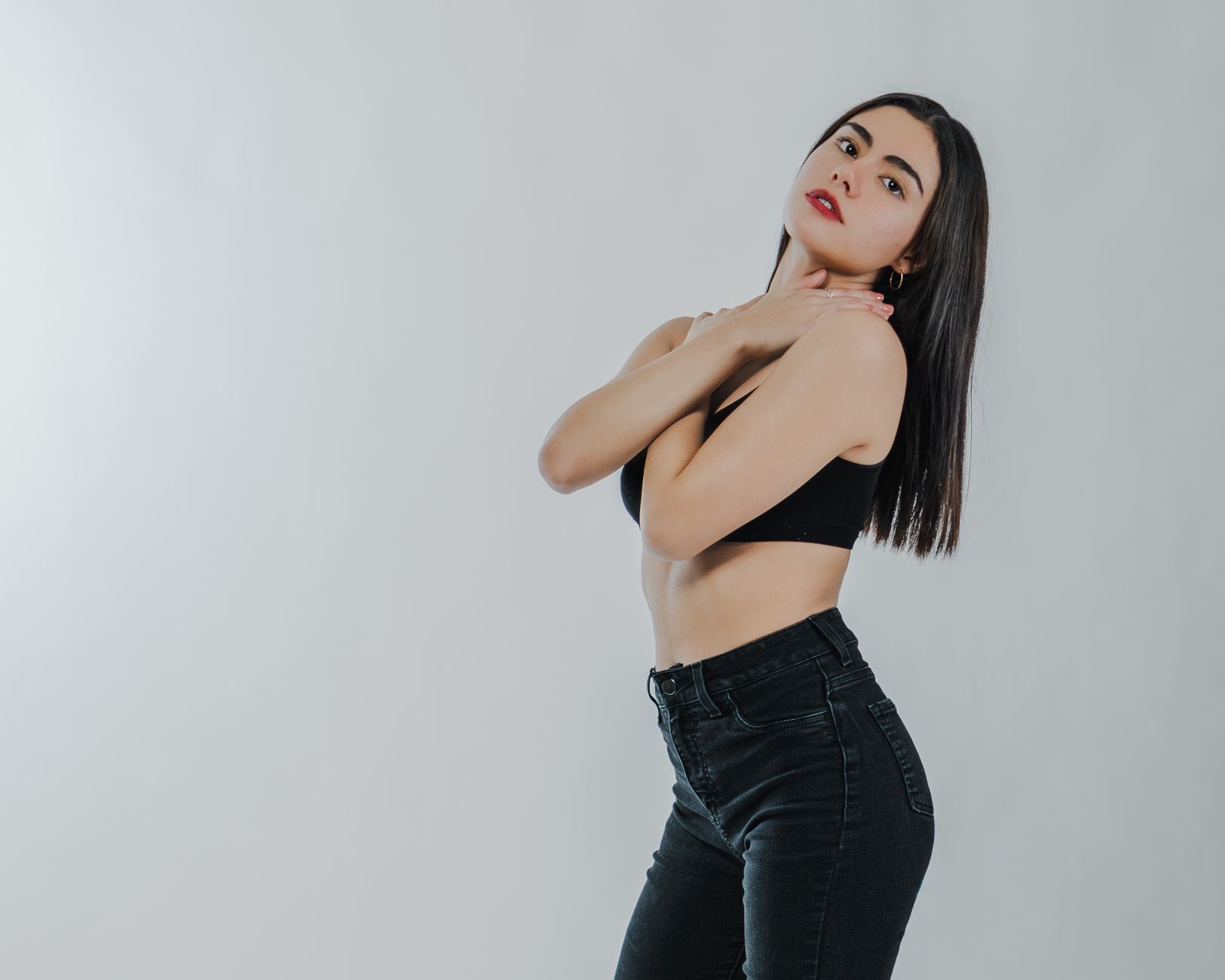
If you’re considering a modeling career, building a strong modeling portfolio is essential. A well-crafted portfolio showcases your versatility, personality, and modeling skills while giving clients a clear idea of what you can bring to their brands. This guide will walk you through the steps necessary to create an impressive modeling portfolio, from outfit choices to photo shoot considerations.
Your portfolio is not just a collection of images; it’s a powerful tool to present who you are as a model. Keep reading to discover how to assemble a compelling modeling portfolio that will set you apart in the competitive modeling industry.
How To Get A Modeling Portfolio?
To acquire a modeling portfolio, start by selecting a range of outfits that represent your style and versatility. Choose a professional photographer who understands lighting, angles, and modeling techniques. Schedule multiple photo shoots in varied settings, ensuring you capture different looks that demonstrate your adaptability.
Selecting the Right Outfits
Choosing the outfits for your modeling portfolio is critical in showcasing your personal style and versatility. Here are some tips for selecting the right garments:
- Variety is Key: Include a range of styles such as casual, formal, and sporty outfits. This shows your versatility as a model.
- Fit and Proportion: Ensure that your clothes fit well and compliment your body shape. Well-fitted clothes look better on camera and enhance your overall appearance.
- Color Coordination: Choose colors that complement your skin tone. Neutrals, pastels, and bold shades can accentuate your features.
- Layering Techniques: Layering can add depth to your outfits, so consider incorporating jackets, hats, and accessories that enhance your looks.
- Texture and Fabric: Mix different fabrics and textures like denim, silk, and knitwear to add visual interest to your images.
Building Your Wardrobe Essentials
A strong wardrobe is the backbone of an impressive modeling portfolio. The following pieces should be considered essential:
- Classic White Shirt: A staple that can be styled in various ways to suit different photoshoot themes.
- Tailored Blazer: Perfect for formal looks, it can also be dressed down for a chic, casual style.
- Denim Jeans: A timeless choice that can be worn casually or smartly tailored for photos.
- Little Black Dress: An iconic piece that is essential for showcasing elegant looks.
- Statement Pieces: Unique outfits or accessories that express your personality and can make a strong impact in a photoshoot.
Choosing the Right Photographer
The photographer plays a pivotal role in your modeling portfolio. Look for professionals who specialize in fashion photography and have experience in working with models. Here are some tips for selecting the right photographer:
- Review Their Portfolio: Check their previous work to ensure their style aligns with your vision.
- Discuss Concepts: Talk about your ideas and see if they can bring them to life.
- Gauge Their Experience: A seasoned photographer knows how to guide you during the shoot, making the process easier.
Preparing for the Photoshoot
Preparation is vital for achieving stunning photos. Here are important steps to take before your shoot:
- Practice Posing: Experiment with different poses in front of a mirror to become comfortable in front of the camera.
- Hair and Makeup: Either hire professionals or ensure you have a polished look that aligns with your outfit choices.
- Skincare: Maintain a healthy skincare routine leading up to the shoot for a flawless complexion.
- Bring Options: Pack multiple outfits, accessories, and shoes to provide variety during the photo session.
Shooting in Various Locations
Location can dramatically change the mood and style of your photos. Consider mixing studio shots with outdoor locations for diversity. Here are a few setting ideas:
- Urban Settings: City streets or grungy back alleys can create an edgy vibe.
- Nature: Parks or botanical gardens can provide a fresh, natural backdrop.
- Studio: Controlled lighting in a studio can help achieve a high-fashion look.
Photo Composition Tips
Understanding basic photo composition will help you communicate effectively with your photographer. Here are a few key concepts:
- Framing: Frame your shots by positioning elements in the foreground or background to create depth.
- Light and Shadow: Use natural light or studio lighting effectively to enhance your features and textures in the outfit.
- Angles: Experiment with different angles to find what showcases your body in the best light.
Post-Production and Editing
Once the photoshoot is complete, your photographer will likely handle the editing. Discuss what type of retouches you would like, keeping in mind:
- Natural Look: Aim for edits that enhance without losing authenticity.
- Consistent Aesthetic: Ensure that all photos share a cohesive look and feel.
Organizing Your Portfolio
After gathering your images, it’s time to curate your portfolio effectively:
- Quality over Quantity: Focus on including only your best work to leave a positive impression.
- Variety is Important: Show a range of looks that demonstrate your versatility.
- Digital Format: Consider creating an online portfolio, as many clients search for models digitally.
Creating a Digital Portfolio
In today’s digital world, having an online presence is crucial. Here are ways to create an attractive digital portfolio:
- Portfolio Website: Use platforms like Wix or Squarespace to create a professional website showcasing your photos and bio.
- Social Media: Utilize platforms like Instagram to share your work and connect with potential clients.
- Maintain Updates: Regularly update your portfolio with new photos to showcase your growth as a model.
Networking Within the Industry
Building a strong network is essential for a successful modeling career. Attend fashion events, workshops, and industry conferences to meet professionals in the field.
- Communicate: Reach out to photographers, stylists, and other models to exchange insights and opportunities.
- Join Modeling Agencies: A good agency can provide valuable resources and connections to help you succeed.
Gaining Experience
To enhance your modeling portfolio, consider gaining experience through various avenues such as:
- Collaborative Projects: Participate in TFP (time for prints) photoshoots to expand your portfolio.
- Fashion Shows: Walk in local fashion shows to gain experience and exposure.
- Styled Shoots: Collaborate with stylists and makeup artists to create unique looks for your portfolio.
Feedback and Continuous Improvement
As you build your portfolio, seek constructive feedback from trusted sources. Consider these strategies for improving your work:
- Review Past Work: Analyze what worked and what didn’t in previous shoots.
- Stay Informed: Keep up with emerging trends and styles to enhance your adaptability.
- Practice: Continue practicing your poses and expressions to build confidence.
Tips for Different Types of Modeling
Depending on the type of modeling you pursue—be it fashion, commercial, or plus-size—you may want to adapt your portfolio. Here’s how:
- Fashion Modeling: Focus on high-fashion shots that emphasize garments, often shot in dynamic poses.
- Commercial Modeling: Capture lifestyle shots that connect with audiences, showcasing relatability.
- Plus-Size Modeling: Highlight fashionable and stylish outfits that align with current plus-size trends.
Staying True to Your Style
Above all, let your unique personality shine through your portfolio. Authenticity is vital in attracting the right clients who appreciate your individual style. Adapt, explore, and express yourself!
Developing a modeling portfolio is a journey that takes time and commitment, but building it strategically will give you the best chance for success in the fashion industry. Focus on expressing your style, preparing thoroughly for photoshoots, and continuously evolving.
As you embark on this creative endeavor, remember to try to refine an outfit combination, check how a garment fits you, or plan a wardrobe edit to capture your personal style in your next photoshoot. Explore more about how to build a model portfolio and learn how to take good modeling photos for an even more comprehensive understanding of the modeling world.