
Weddings are special occasions that call for thoughtful attire, and often a dress is the star of the show. However, knowing what to wear over a dress to a wedding can enhance your overall look while also providing comfort and practicality. From elegant wraps to tailored blazers, there are numerous possibilities to explore.
This guide will help you navigate the various layering options, fabrics, color coordination, and style considerations needed to pull together a stunning wedding outfit. Let’s dive into how you can elevate your dress with the right over pieces and shine at the event.
What To Wear Over A Dress To A Wedding?
Choosing the right piece to wear over a dress at a wedding involves considering factors like the season, dress code, and your personal style. Options include jackets, wraps, and shawls, which can all add a layer of elegance while matching the vibe of the celebration.
Types of Overlays Suitable for Weddings
When selecting an overlay, consider the wedding’s formality, seasonality, and your comfort. Here are some of the most popular choices:
- Wraps and Shawls: Perfect for warmer weather or outdoor settings, wrap-style covers are chic and can be lightweight, made from materials like chiffon or silk.
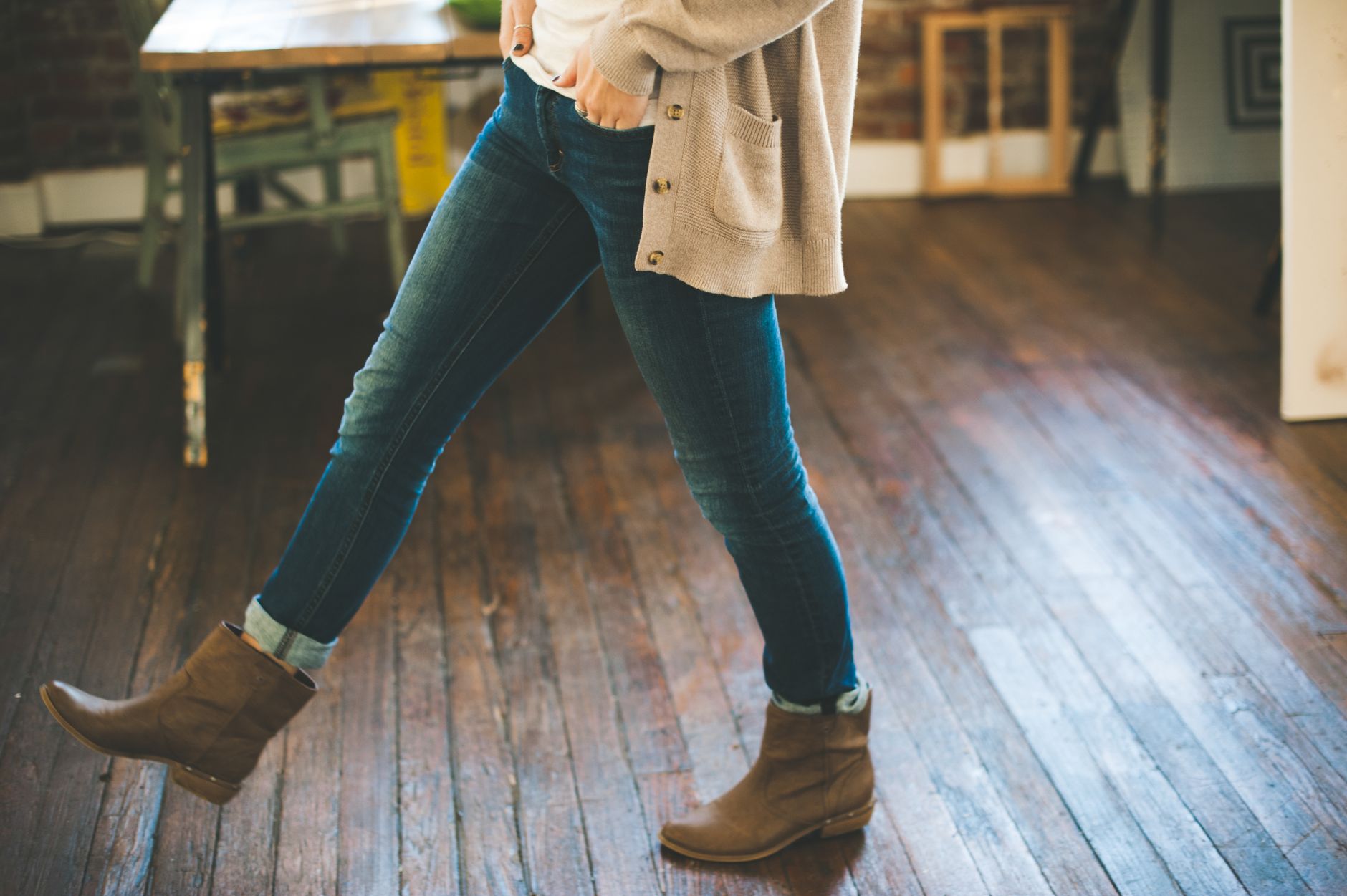
- Cardigans: For a more casual wedding, a fitted or long cardigan can add a cozy but polished touch, especially in knit or cashmere.
- Blazers: A tailored blazer can transform a casual dress into a polished look suitable for both formal and semi-formal weddings. Opt for structured pieces to maintain sophistication.
- Coats: Chilly weather calls for a stylish coat. A trench coat or belted coat can elevate your outfit while providing warmth.
- Boleros: This short jacket style is frequently chosen for formal settings and can effortlessly layer over sleeveless or strapless dresses.
- Pashminas: A versatile wrap that offers both style and warmth, a pashmina comes in various colors and fabrics, making it perfect for any wedding theme.
Match Your Overlay to the Dress Code
Your first step is to determine the dress code of the wedding you’re attending. This will influence your choice of overlay and overall ensemble.
Formal Wedding
For a black-tie or formal wedding, opt for tailored options such as:
- Silk blazers or tailored jackets in muted tones.
- Elegant shawls made of delicate fabrics like satin or lightweight wool.
- Chic boleros with embellishments like lace or beading, partnering beautifully with a formal gown.
Semi-Formal Wedding
A semi-formal or cocktail wedding allows for more creativity. You could consider:
- Fitted cardigans in luxe materials like cashmere that can be easily dressed up.
- A stylish light trench coat that you can drape over your shoulders.
- A statement blazer that adds a pop of color to your outfit.
Casual Wedding
For a laid-back celebration, keep it simple with:
- Lightweight wraps or casual cardigans.
- Denim jackets for a trendy but relaxed feel; just ensure the dress is semi-casual.
- Pashminas for a boho vibe that pairs seamlessly with flowing, informal dresses.
Layering Techniques for a Balanced Look
Layering isn’t just about choosing the right pieces; it’s about balancing proportions and textures. Here are some techniques:
- Play with Lengths: If your dress is long, opt for shorter overlays like boleros or cropped jackets. Conversely, if your dress is short, longer cardigans or wraps can create a harmonious silhouette.
- Add Structure: Mixing structured pieces, like a tailored blazer, with softer fabrics such as a flowy dress can enhance your look. This juxtaposition creates visual interest.
- Use Color and Texture: If your dress is patterned, choose a solid-colored overlay to prevent clashing. Alternatively, a textured overlay like a tweed jacket can add depth to a solid dress.
Fabrics to Consider
The fabric of your overlay is key to both comfort and style. Here are some options appropriate for various seasons:
- Summer: Lightweight materials such as chiffon, silk, and linen are airy and prevent overheating.
- Winter: Heavier fabrics like wool, cashmere, or thicker knitwear provide essential warmth.
- Spring/Fall: Medium-weight options such as cotton blends or light knits work well in variable temperatures.
Color Coordination Tips
Color is crucial when selecting your overlay. Here are some tips for effective color coordination:
- Complementary Colors: Pick colors that enhance each other; for instance, a navy dress pairs beautifully with a blush or light gray overlay.
- Neutral Choices: White, black, or beige overlays can match with almost any dress. They offer versatility and can be accessorized in various ways.
- Match Wedding Colors: If the invitation features a specific color palette, consider incorporating those colors into your overlay for a cohesive look.
Accent Your Outfit with Footwear
The right footwear can enhance your overall wedding attire. Here are some shoe options to consider:
- Heels: Classic pumps or strappy sandals work well for formal and semi-formal weddings. Opt for a height that you feel comfortable walking in.
- Flats: For outdoor weddings or less formal settings, stylish ballet flats or embellished sandals can be both chic and practical.
- Boots: In fall or winter, ankle boots can add an element of edge to your outfit, especially when paired with dresses of a heavier fabric.
Accessorizing Your Look
Accessories can make or break your outfit. Here’s how to choose complementary items:
- Bags: Clutches or small handbags in coordinating colors can serve as stylish yet functional additions.
- Scarves: A printed silk scarf can add flair and sophistication to your look while also providing warmth when needed.
Changing Styles Across Seasons
Your choice of overlayer can change dramatically with the seasons. Here’s how to adapt your outfit easily:
Spring Weddings
Spring welcomes bright colors and floral patterns. Consider:
- Lightweight wraps in pastel colors or floral prints.
- A cropped blazer that can be layered over a sundress.
Summer Weddings
In the summer months, opt for breathable fabrics. Think:
- Chiffon cover-ups or shrug-style wraps that provide comfort without bulk.
- A lightweight kimono that can add flair and ease to your overall look.
Fall Weddings
As the temperatures drop, add warmth with:
- Chunky knit cardigans or tailored coats, such as trench styles.
- Layers made of wool blends to keep stylishly warm.
Winter Weddings
Winter attire requires heavier layers. Focus on:
- Long coats that provide maximum coverage and can be paired with faux fur accents.
- Tailored blazers with warmer linings or heavier fabrics.
Common Styling Challenges and Solutions
Here are some common issues one may face when dressing for a wedding and how to overcome them:
Feeling Under-Dressed
If you feel your dress alone isn’t fancy enough, transform the look by:
- Opting for an embellished jacket or a sparkling shawl to add glamour.
- Choosing high-quality accessories or striking footwear to elevate your outfit.
Weather Woes
Prepare for unpredictable weather by:
- Layering: Always have a lightweight wrap or a structured outer layer to keep you warm.
- Selecting breathable fabrics if you anticipate warm weather, while still pairing with an overlay for evening chills.
Accessorizing for Enhanced Expression
Personalizing your outfit can create a unique look. Use accessories effectively:
- Statement Pieces: Large, bold jewelry can draw attention to your upper body, complementing simple dresses.
- Mix and Match: Experiment with layering different textures; elegant satin with chunky knits is a playful combination.
Shopping Tips for the Perfect Overlay
When heading out to shop for your wedding outfit overlay, consider these practical strategies:
- Create a Checklist: Write down all potential styles and colors you envision, keeping an eye on the wedding’s theme.
- Fit Matters: Ensure your overlay fits well; it should neither be too tight nor too loose. Consider tailoring for a perfect fit.
- Quality Over Quantity: Invest in pieces that are versatile and can be worn to various occasions beyond just one wedding, ensuring long-term use.
Garment Care for Overlays
Caring for your overlays ensures they remain in excellent condition. Here are some quick tips to keep in mind:
- Read Care Labels: Each fabric will have different care requirements—pay attention to washing instructions.
- Dry-Cleaning: For delicate materials like silk or satin, consider dry-cleaning to prevent damage.
- Storage Tips: Store lightweight pieces folded or laid flat, while heavier items can be hung in a closet with ample space to prevent creasing.
Summing It All Up
Understanding what to wear over a dress to a wedding involves considering a variety of factors such as the dress code, season, and your unique style preferences. The perfect pairing of overlays, shoes, and accessories will not only enhance your outfit but also ensure that you feel comfortable and confident. A well-chosen overlay can transform your dress, impressing all the wedding guests.
Experiment with combinations that reflect your style and the mood of the occasion. Take time to plan ahead, check your closet, and invest in versatile pieces that can serve you well beyond just one wedding. For more tips on dressing for this special occasion, explore our guide on how to dress for a wedding and what to wear to a wedding as a guest female.