
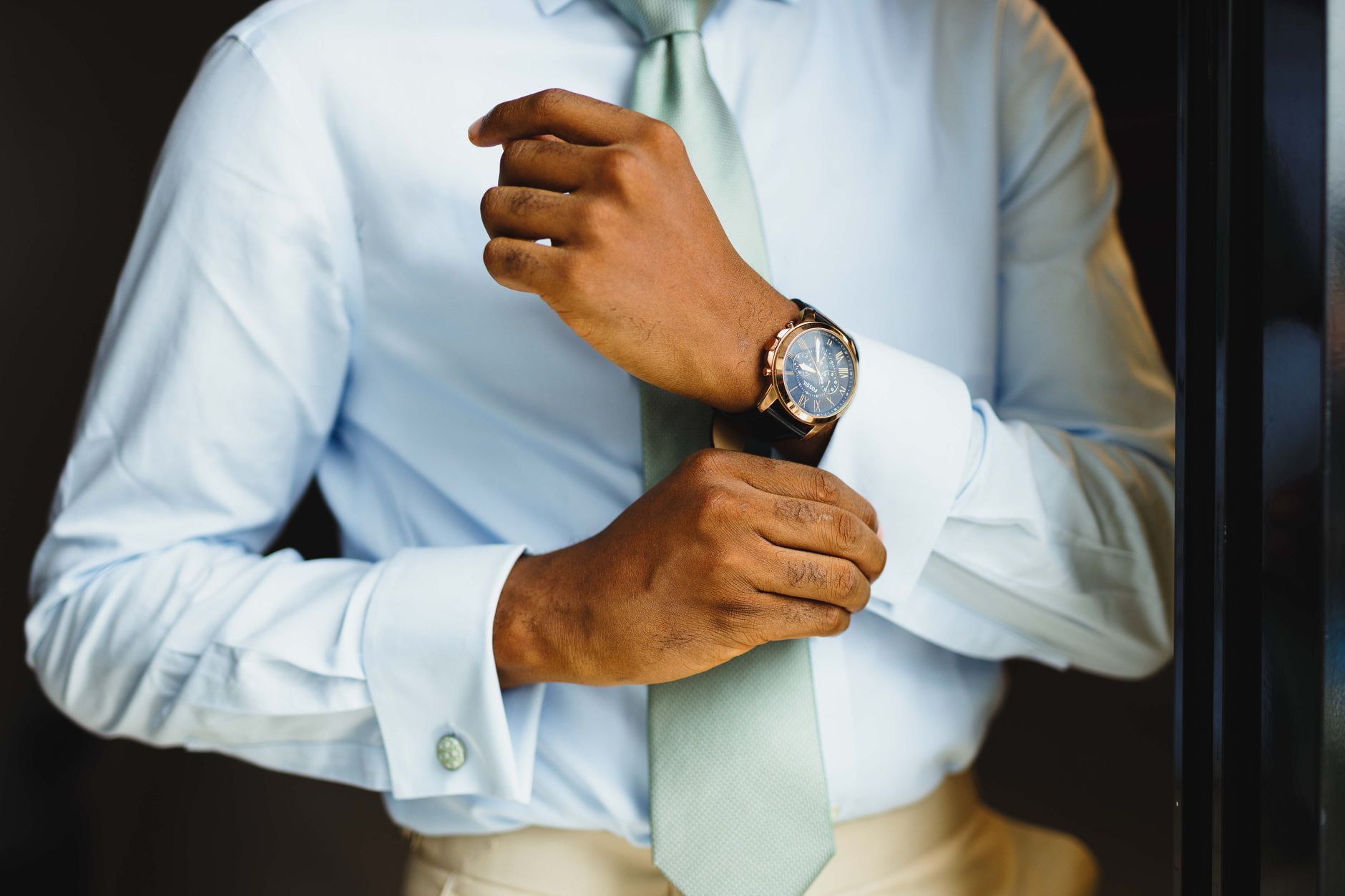
Wearing a watch is a stylish way to express personal taste while keeping track of time. However, many people wonder which wrist to wear a watch on. While it might seem straightforward, several factors influence this choice. In this guide, we’ll explore the nuances of watch-wearing etiquette, touching upon cultural norms, personal style preferences, and practical considerations.
Understanding the reasoning behind which wrist to wear a watch on not only enhances your style but can also inform your choices about accessories. Let’s delve into the complete style guide to find out everything you need to know.
What Wrist Do You Wear A Watch On?
Traditionally, watches are worn on the non-dominant wrist. This is because it tends to be less active and allows for easy access to the watch without interfering with your daily tasks. For most people, that would mean wearing a watch on the left wrist if they are right-handed, and on the right wrist if they are left-handed. However, fashion is about personal expression, and ultimately, the choice is up to you.
Factors Influencing Watch Placement
Cultural Norms
Watch-wearing habits can vary significantly across different cultures. In many Western cultures, the left wrist is considered the standard for wearing watches. This has historical roots, dating back to the early 20th century when soldiers used wristwatches for practical purposes. In contrast, you may find different traditions in other cultures; for example, some Asian societies may lean towards the right wrist. Understanding these norms can offer insights into your personal style decisions.
Comfort and Functionality
Your dominant hand affects how comfortable a watch feels. Wearing it on the opposite wrist can help avoid scratches and inconvenience during activities like writing or manual labor. Additionally, consider the style of the watch; a larger, bulkier watch may feel uncomfortable on a wrist engaged in frequent movement. Thus, wearing it on the less active wrist may provide a functional advantage.
Fashion Trends and Personal Style
Fashion is fluid, and trends often vary. Today, watch placement can be governed more by personal preferences than traditions. Younger generations, in particular, show a tendency to wear watches on either wrist interchangeably, mixing with other accessories to create a unique style. Ultimate expression matters more than following formal rules, so try wearing your watch on the wrist that feels right, regardless of convention.
Types of Watches: Choosing the Right Style
The type of watch you choose can also influence which wrist feels appropriate for wearing it. Here are common types of watches and how you might style them:
- Dress Watches: Typically thinner and with a minimalist design, dress watches are best worn with formal attire. They work well on the left wrist, complementing suits and dress shirts, allowing your right hand to remain free for tasks during events.
- Sport Watches: These are more robust and feature a range of functionalities such as GPS and timers. Given their size, you may prefer them on your dominant wrist for better visibility and accessibility, especially during activities.
- Diver’s Watches: Designed for underwater activities, these watches often come with added bulk. Typically, they are worn on the non-dominant wrist to avoid obstruction while swimming.
- Smartwatches: These multifunctional devices can be worn on either wrist, depending on personal preference. They often come with interchangeable bands and customizable faces, making them adaptable to various looks.
Choosing Your Watch Based on Occasion
The occasion also plays a significant role in determining which wrist to wear a watch on. Let’s explore how to navigate watch styles based on different settings.
Work Environments
In a professional setting, you want your watch to reflect your personal brand while being practical. Here are some guidelines:
- Corporate: Opt for a classic, understated dress watch on your left wrist. Pair it with a tailored suit for a polished look.
- Creative Fields: Here, you can choose a more artistic watch, perhaps a statement piece or a vibrant smartwatch. Choose either wrist according to your personal style, as the focus may be more on creativity than convention.
- Workwear: When dressing down for a more casual work environment, a durable sport watch can be worn comfortably on either wrist. This allows you to engage fully in activities without hindrance.
Casual Outings
When it comes to casual outings, the wrist placement can be more relaxed. Here’s how to style your watch for different scenarios:
- Brunch with Friends: A casual watch or even a vintage piece worn on either wrist enhances your relaxed outfit.
- Day at the Park: Sport watches, which are typically bulkier, can comfortably fit on the dominant wrist without feeling overly cumbersome.
- Weekend Getaway: Choose a versatile watch that can transition from activity to activity. Wearing it on your non-dominant wrist can keep you free to engage during your adventures.
Formal Events
Formal events demand a more tailored approach when it comes to wrist placement:
- Weddings: Stick with a classic dress watch on your left wrist, especially if you’re the groom or part of the wedding party. This complements your suit while leaving your dominant hand free to congratulate others.
- Black Tie Events: Choose a sophisticated watch that aligns with your tuxedo. If it’s a high-end watch, ensure that it is prominently displayed on your watch-wearing wrist.
- Business Dinners: A dress watch works well on your left wrist. Ensure it pairs nicely with your overall outfit to make a positive impression.
Layering with Accessories
Wearing a watch shouldn’t be a standalone decision. Layering it with other accessories can enhance your look:
Bracelets and Bangles
If you choose to wear bracelets or bangles alongside your watch, consider the following:
- Balance: Wear the watch on the wrist where it feels comfortable, typically the opposite wrist from the bracelets.
- Material Coordination: Match metals or colors to create a cohesive look. For example, if your watch has a silver band, choose silver jewelry to harmonize the style.
- Texture Contrast: Combining smooth metallic watches with textured leather or beaded bracelets adds an intriguing dimension to your style.
Rings and Other Jewelry
When layering rings, consider the overall balance on your hands:
- Minimalist Approach: Opt for delicate rings if you’re wearing a larger watch, to avoid visual conflict.
- Statement Rings: Show off a bold ring on the same hand as your watch if you want it to be the focal point of your outfit.
Wardrobe Essentials: Complementing Your Watch
Your watch choice can influence and even complete your overall outfit. Some wardrobe essentials to consider include:
- Classic Button-Up Shirts: Perfect for wearing under blazers, they allow a streamlined visual when paired with a dress watch.
- Chinos or Tailored Trousers: These versatile pieces can be dressed up or down, making them compatible with a watch style.
- Casual Sneakers or Loafers: Footwear should match the overall tone of your look, whether slightly dressy or entirely relaxed.
- Outerwear: A well-fitted blazer can make a watch stand out, particularly if the sleeves are tailored to highlight it.
Color Coordination and Fabric Choices
Proper color pairing maximizes your watch’s impact. Here are some tips for seamless integration:
Color Matching
Colors can influence the perception of your watch. Try these ideas for cohesion:
- Metallic Tones: If your watch has a gold casing, incorporate neutral tones like beige, white, or soft blue in your wardrobe for balance.
- Leather Bands: Match leather bands with leather shoes or belts to create a harmonized look.
- Bold Colors: If you have a colorful watch, keep the rest of your outfit understated to allow the watch to stand out.
Fabric Considerations
Fabrics also play a role in how a watch is integrated into an outfit:
- Cotton and Linen: Casual fabrics complement laid-back watches, perfect for summer outings.
- Wool and Tweed: Heavier fabrics can enhance the feel of a dress watch, especially suitable for colder weather.
- Synthentic Fabrics: Modern materials found in sportswear go well with sporty watches, thanks to their breathable qualities.
Watch Care and Maintenance
After determining the right wrist for your watch, it’s essential to focus on its care and maintenance, ensuring longevity:
- Regular Cleaning: Use a microfiber cloth to keep the surface clean. For leather straps, applying conditioner will help maintain suppleness.
- Avoid Water Damage: Always check the water resistance level before exposing your watch to moisture. Remember, submersion may not be safe for all models.
- Battery and Mechanical Checks: For quartz watches, change the battery every few years; mechanical or automatic watches may require periodic servicing.
- Avoid Extreme Temperatures: Keeping your watch away from excessive heat and cold ensures better functionality.
- Storage: Store your watches in a designated box or stand, preventing scratches and damage while maintaining visibility.
Conclusion
In the end, the decision of which wrist to wear a watch on is governed by personal style, comfort, and the context of your outfit. While certain conventional tips exist, there is no right or wrong wrist; it ultimately comes down to what feels best for you. Embrace your unique style and wear your watch with confidence.
For more inspiration, consider exploring our guides on what hand to wear a watch for practical tips or learn about the different wrist styles to find what suits you best. Each piece contributes to expressing your individuality through fashion!