
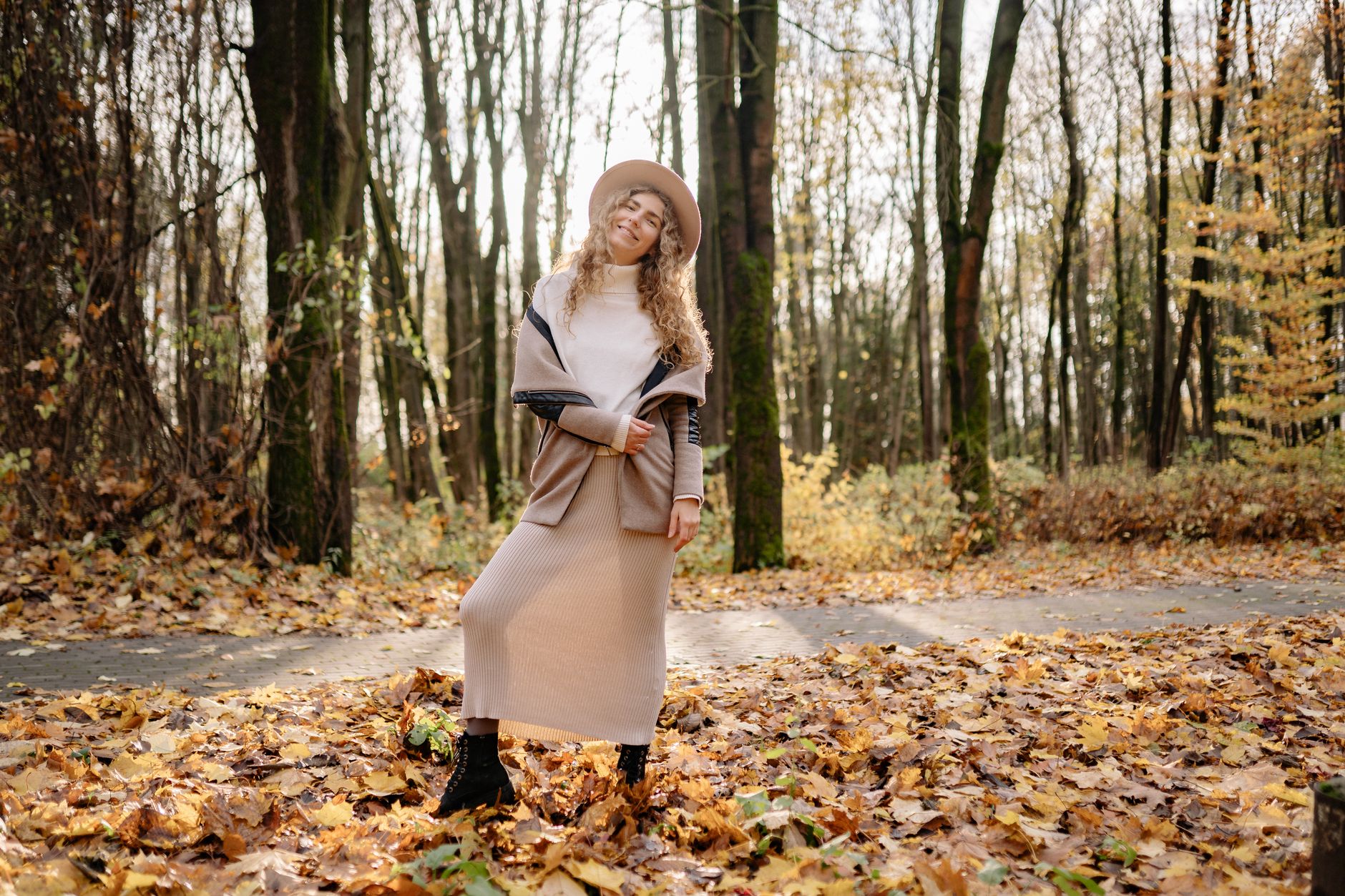
A sweater dress is one of the most versatile pieces in a wardrobe. Combining comfort and style, it can easily transition from casual to formal and everything in between. Whether you’re wondering how to dress it up for a night out or keep it chic for a day at the office, this guide will provide you with all the styling tips you need to make the most of a sweater dress.
Sweater dresses come in various styles, lengths, and fabrics, allowing them to suit different body types and personal aesthetics. This article explores outfit combinations, accessorizing tips, and fabric considerations to help you style a sweater dress effortlessly and confidently.
How To Style A Sweater Dress?
Styling a sweater dress involves choosing the right fit, layering thoughtfully, and selecting complementary accessories. With a few guiding principles, you can create outfits that suit any occasion, from casual settings to formal events.
Why Choose a Sweater Dress?
Sweater dresses combine form and function, offering warmth without sacrificing style. Their soft, knitted fabric provides comfort for various activities, making them ideal for transitional seasons. They’re also available in an array of colors, patterns, and designs, allowing for both versatility and expression of personal style.
Choosing the Right Fit
The fit of your sweater dress is crucial. Here are some key considerations:
- Body Type: A-line or belted styles work well for defining the waist, while straight cuts provide a relaxed silhouette. Understand your body shape to choose a flattering style.
- Length: Sweater dresses typically range from knee-length to mid-calf. Choose a length that complements your height and the occasion. Knee-length dresses tend to be more versatile for various events.
- Fabric: Consider the fabric’s stretch and weight. Heavier knits can add bulk, while lighter fabrics are great for layering.
Styling for Different Occasions
Casual Styling
For a laid-back look, consider pairing your sweater dress with simple accessories and relaxed footwear. Here are some options:
- Footwear: Sneakers or ankle boots lend a casual vibe. Opt for white sneakers for a clean, contemporary look, or try combat boots for an edgier feel.
- Layering: Add a denim or leather jacket for an effortless layering option that adds texture. This works particularly well with fitted or body-hugging dresses.
- Accessories: A crossbody bag and minimalist jewelry keep the outfit simple. Consider stud earrings and a slim bracelet for a polished touch.
Office Chic
Styling a sweater dress for work can be accomplished with a few tweaks:
- Footwear: Opt for heeled ankle boots or loafers to elevate the look. Choose classic colors like black or taupe for sophistication.
- Layering: A tailored blazer or structured cardigan adds professionalism. A longline blazer can also provide an elongating effect.
- Accessories: Incorporate a leather tote and subtle jewelry, such as a delicate watch, to keep it office-appropriate.
Evening Wear
Transform a sweater dress for a night out with the right accessories:
- Footwear: Choose knee-high boots or strappy heels for an alluring touch. Opt for metallic or leather finishes to add interest.
- Layering: A tailored trench or an elegant shawl can elevate the overall appearance. Consider options with embellishments or unique textures.
- Accessories: Statement earrings or a bold clutch can define the look. Don’t shy away from a chunky necklace to draw attention.
Weekend Brunch or Casual Outings
For relaxed settings, you can mix comfort and style effortlessly:
- Footwear: Consider flat sandals or espadrilles for warmer days. Ankle boots work well in cooler weather.
- Layering: Lightweight cardigans or flannel shirts add a playful layer. These can be easily taken off if the weather warms up.
- Accessories: A canvas tote or backpack lends a trendy yet practical vibe. Add a wide-brimmed hat for sun protection and style.
Color Coordination
Choosing colors that complement your personal style is crucial. Here are some guidelines:
- Neutral Tones: Beige, gray, and navy are versatile and can be paired with almost anything. They work well in formal settings.
- Bold Colors: If you prefer statement pieces, opt for brighter shades like emerald green or ruby red. These can be paired subtly with muted accessories.
- Patterns and Textures: Stripes or cable knits can add visual interest. Pair patterned dresses with solid accessories for balance.
Layering for Seasonal Dressing
Seasonal layers are essential for maximizing your sweater dress’s wearability:
Fall and Winter
- Outerwear: Pair your sweater dress with wool coats, puffer jackets, or a structured trench. These will keep you warm and stylish.
- Accessories: Chunky scarves, knit hats, and gloves can add warmth and character. Look for accessories that pick up on colors from your dress.
- Tights: Consider wearing wool or opaque tights to ensure warmth without sacrificing style.
Spring and Summer
- Outerwear: Light jackets or cardigans work well for spring. A denim jacket can be a perfect casual choice.
- Footwear: Switch to open-toed shoes or stylish sandals as the weather warms up.
- Accessories: Keep accessories light and airy. Floral prints and pastel colors add a fresh vibe for warmer seasons.
Considerations for Each Fabric
The fabric of a sweater dress will impact how it’s styled:
- Wool: Provides warmth and is perfect for colder months; choose a merino wool for softness. Be cautious of itchiness – wear layers underneath if necessary.
- Acrylic: Offers affordability and easy care. It’s lightweight but may not offer the same warmth as wool.
- Cotton: Breathable and comfortable, cotton is great for warmer weather. Go for cotton blends for added stretch.
Accessorizing Your Sweater Dress
Accessories can completely change the vibe of a sweater dress. Here are some suggestions:
- Bags: Crossbody bags for casual, tote bags for office, and clutches for evening outings.
- Jewelry: Minimalist pieces for daytime, and statement jewelry for an evening look. Layer delicate necklaces or try chunky bracelets to mix styles.
- Belts: A waist belt can define your silhouette and transform a loose sweater dress into a chic shape.
Garment Care Tips
Proper care can prolong the life of your sweater dress. Here are some maintenance tips:
- Washing: Always check the care label. Hand wash delicate items, and opt for cold water to prevent shrinkage. Use gentle detergent for wool and cashmere.
- Drying: Never wring or twist your sweater dress; instead, lay it flat on a clean towel to dry. Hanging can stretch the fabric.
- Storage: Fold your sweater dress rather than hanging to prevent stretching. Keep it in a cool, dry place to maintain shape and to avoid moths.
Common Styling Challenges and Solutions
Styling a sweater dress can come with a few challenges. Here’s how to resolve them:
Challenge: The dress feels too bulky.
Solution: Choose a belt to cinch at the waist or layer with a more fitted outer piece. Consider dresses with lighter fabrics.
Challenge: How to dress it up?
Solution: Add statement accessories, tailored outerwear, and heeled footwear. Accessories can transform your look dramatically.
Challenge: Wearing a sweater dress in warmer weather.
Solution: Opt for a lighter cotton sweater dress and keep your layers minimal. Pair it with breathable shoes and lightweight accessories.
Final Thoughts
A sweater dress is a versatile fashion piece that can adapt to numerous styles and occasions. By choosing the right fit, layering appropriately, and accessorizing smartly, you can create a variety of looks. Embrace the comfort while expressing your unique style through thoughtful combinations.
Next time you put on a sweater dress, consider trying out an outfit combination from this guide. Not only will you make the most of your wardrobe, but you’ll also feel confident in your personal style. Explore more on how to style a sweater vest or how to wear a sweater, and continue to refine your fashion skills!