
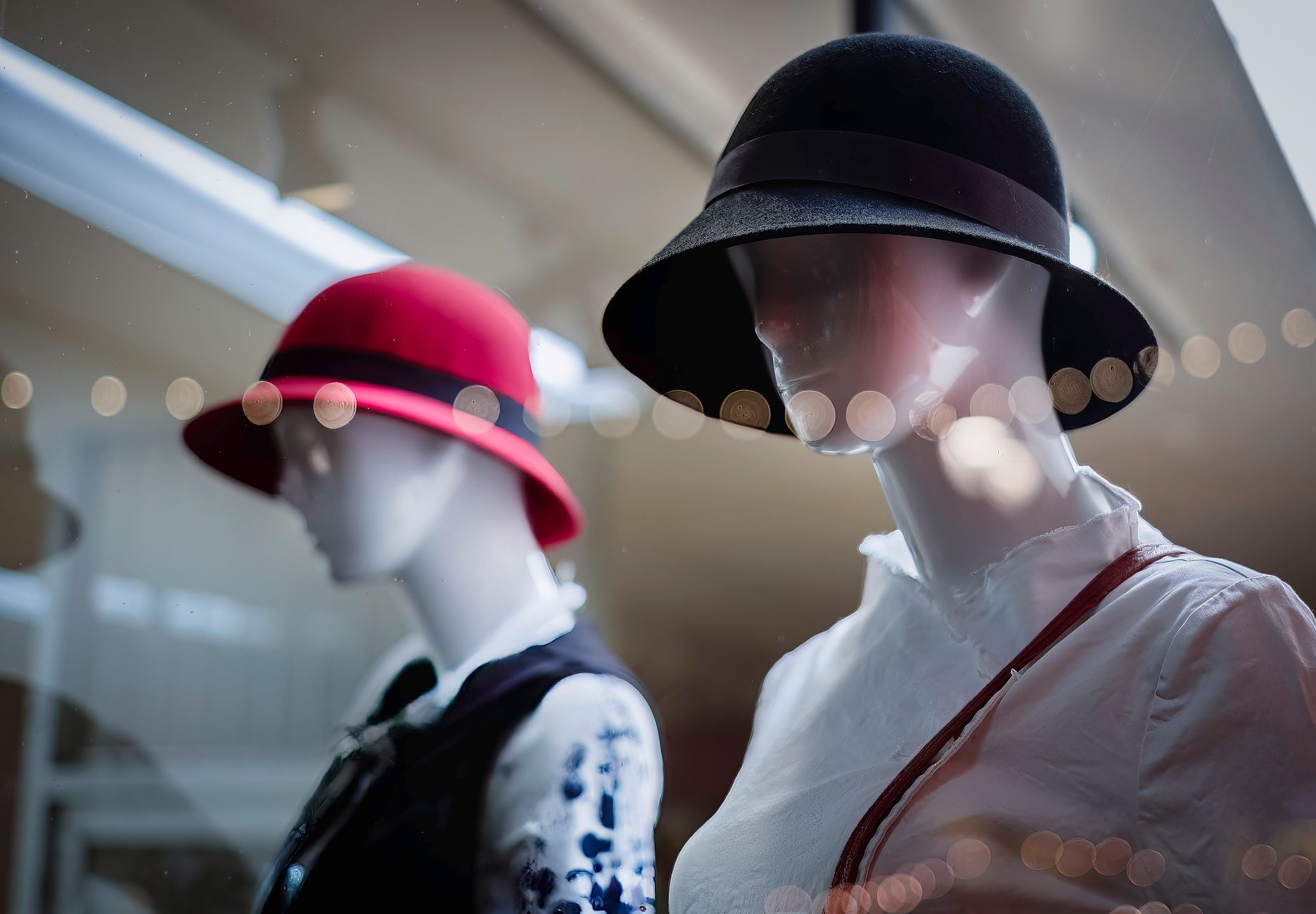
When it comes to fashion, few accessories have the same power to elevate an outfit as a hat. And at the heart of the hat-making world is the milliner—a skilled artisan specializing in creating beautiful headwear. Understanding what a milliner does can deepen your appreciation for hats and enhance your style choices.
In this article, we’ll explore the meaning of a milliner, dive into the fascinating history of hat-making, discuss different types of hats, and provide a style guide to help you incorporate hats into your wardrobe effectively.
What Is A Milliner?
A milliner is a designer and maker of hats, typically for women. The term originates from the word “Milan,” which was historically known for its high-quality hat production. While millinery has traditionally focused on women’s hats, the craft also extends to bespoke designs for men and, more recently, gender-inclusive creations.
The History of Millinery
The art of hat-making dates back thousands of years, but the term “milliner” first appeared in the 16th century. During this time, hats were not just functional but also a symbol of status and fashion. In the 18th century, milliners began to gain recognition, with shops selling a variety of extravagant hats adorned with feathers, flowers, and ribbons. These shops often became social hubs for women, where they could discuss fashion and style.
The Industrial Revolution greatly influenced millinery, making hats more accessible to the general public. Machine-made hats started to emerge, leading to a decline in bespoke hat-making. However, quality craftsmanship and unique designs remained sought after, giving rise to boutique milliners who specialize in personalized, handmade creations.
Types of Millinery
Millinery encompasses a wide range of styles and types of hats. Here’s a look at some popular categories:
- Fascinators: Lightweight and often elaborate, fascinators are hairstyles worn for formal occasions. They can be made of tulle, feathers, or flowers, and are typically secured with a comb or headband.
- Wide-brimmed hats: These hats feature a broad brim for sun protection and are perfect for summer outings. They come in various materials and styles, such as straw or felt, for an elegant look.
- Cloche hats: Characterized by their close-fitting design and bell shape, cloche hats were popular in the 1920s and provide a vintage appeal for modern outfits.
- Berets: A classic French style that can be worn tilted on the head, berets are versatile and can be made from wool or cotton, offering different looks for all seasons.
- Panama hats: Originating from Ecuador, Panama hats are made from straw and are known for their breathability. They are often the go-to for summer events.
- Fedora hats: With a classic design, fedoras have a soft brim and indented crown, making them a stylish option for both men and women.
Style Guide: Incorporating Hats into Your Wardrobe
Now that you’ve learned about what a milliner does and the types of hats available, let’s discuss how to style them. Adding a hat to your outfit can transform your look and make a statement. Here’s how to do it effectively:
1. Choose the Right Occasion
Hats can be suitable for various occasions. For instance, a wide-brimmed sun hat or a chic fascinator works beautifully at outdoor weddings or garden parties. Conversely, a fedora or beret may be better at casual gatherings or weekends out. Always consider the event’s dress code and setting before selecting your hat.
2. Match the Style with Your Outfit
When choosing a hat, consider how it complements your existing wardrobe. Here are a few outfit combinations:
- Wide-brimmed hat: Pair this hat with a flowy sundress and sandals for a relaxed summer look.
- Fascinator: Style it with an elegant cocktail dress and heels for a formal event or wedding.
- Fedora: Wear a fedora with a fitted blouse, tailored trousers, and ankle boots for a chic, polished look.
- Cloche hat: Combine a cloche hat with a vintage-inspired dress to evoke classic charm.
- Panama hat: Pair a Panama hat with a casual shirt, shorts, or a fitted sundress for a fun outing.
3. Consider Color and Fabric
The color and fabric of your hat should harmonize with your outfit and the season. Light colors and breathable fabrics, such as straw or cotton, work well for spring and summer. Conversely, choose darker colors and heavier materials, like felt, for fall and winter.
4. Accessorizing with Hats
Accessories play a crucial role in styling hats. Here are a few tips to consider:
- For wide-brimmed and sun hats, minimal jewelry works best to keep the focus on the hat.
- Fascinators can be complemented with a simple clutch and understated earrings.
- Fedoras allow for bolder jewelry and layered necklaces, adding an edgy touch.
5. Hair and Makeup Considerations
Your hairstyle can influence how well your hat sits on your head. Here are a few styling options:
- For fascinators, consider an updo or a side bun to keep hair out of the way.
- Wide-brimmed hats pair well with loose waves or sleek ponytails.
- Fedoras look great with tousled hair or straightened locks.
6. Mix and Match
Don’t shy away from experimenting! Layering different pieces in your wardrobe can yield exciting results. Combine a bold hat with a patterned top or a vibrant scarf, or create visual contrast with unexpected textures.
Common Styling Challenges with Hats
While hats can be a delightful addition to your wardrobe, some may feel apprehensive about incorporating them due to common challenges. Here are some practical solutions:
1. Finding the Right Fit
Selecting a properly fitted hat is essential for comfort and aesthetics. Ensure that:
- The hat sits comfortably on your head without pinching.
- It doesn’t impede your vision or fall off easily.
When trying on hats, take note of the size categories: Small (20-21 inches), Medium (21-22 inches), Large (22-23 inches), and Extra Large (23-24 inches). Since sizing can vary by brand, always check the hat’s size chart.
2. Overcoming Hat Hair
Hats can sometimes leave imprints or cause flat hair. To combat hat hair:
- Opt for a volumizing spray or dry shampoo to refresh your locks.
- Consider wearing a silk scarf under your hat to reduce friction and maintain hairstyle.
3. Feeling Self-Conscious
If you’re new to wearing hats and feel unsure, start with a subtle option like a beret or a floppy hat which can easily elevate your ensemble while still being understated. Confidence grows with practice!
Seasonal Hat Styling
Adapting your hat choices to the seasons is a great way to incorporate them into your wardrobe throughout the year. Here’s how to tailor your hat selections for different weather conditions:
Spring/Summer
- Opt for lightweight materials like straw or cotton to avoid overheating.
- Choose lighter colors or floral patterns to align with seasonal blooms.
- Consider styles that provide sun protection, like wide-brimmed sun hats.
Fall/Winter
- Switch to warmer fabrics like wool or felt to keep your head cozy.
- Dark colors or rich jewel tones can add warmth to your wardrobe.
- Experiment with winter hats like beanies or berets to keep it stylish and functional.
Caring for Your Hats
Proper care will extend the life of your hats and keep them looking great. Here are some maintenance tips:
1. General Cleaning
Keep your hat clean and free of dust by:
- Using a soft brush to gently wipe off dirt and debris.
- Spot cleaning with a damp cloth for any stains, making sure to follow fabric care instructions.
2. Storage Recommendations
Store hats in a cool, dry place to maintain their shape:
- Use hat boxes or keep them on a shelf where they won’t be crushed.
- For larger hats, store them upside down on a flat surface to maintain their structure.
Where to Shop for Hats and Millinery Styles
Exploring where to find quality millinery can enhance your wardrobe without compromising on style. Here are several options:
- Local Milliners: Research local artisans who can provide custom creations for a personalized touch.
- Specialty Stores: Boutiques often carry a selection of unique hats and can provide expert styling advice.
- Online Retailers: Websites like Etsy feature handmade options from various milliners, offering a wide range of styles.
- Department Stores: Larger stores often stock a variety of brands, making it easier to find fashionable hats.
As you shop, consider your personal style, and don’t hesitate to ask for assistance if you’re unsure about fitting or styling options. A well-chosen hat can become a staple piece in your wardrobe.
Millinery is an art that not only enhances individual style but celebrates craftsmanship and creativity. With a range of hat styles available, incorporating them into your wardrobe—all while taking season, fabric, and personal comfort into account—is an attainable goal. Whether you’re dressing up for an occasion or adding flair to your daily ensemble, remember that a carefully selected hat can truly transform your look.
For more inspiration on how to wear specific hat styles, check out our guides on how to wear a fascinator or how to wear a fedora. Each article offers practical tips for styling these fashionable accessories.