
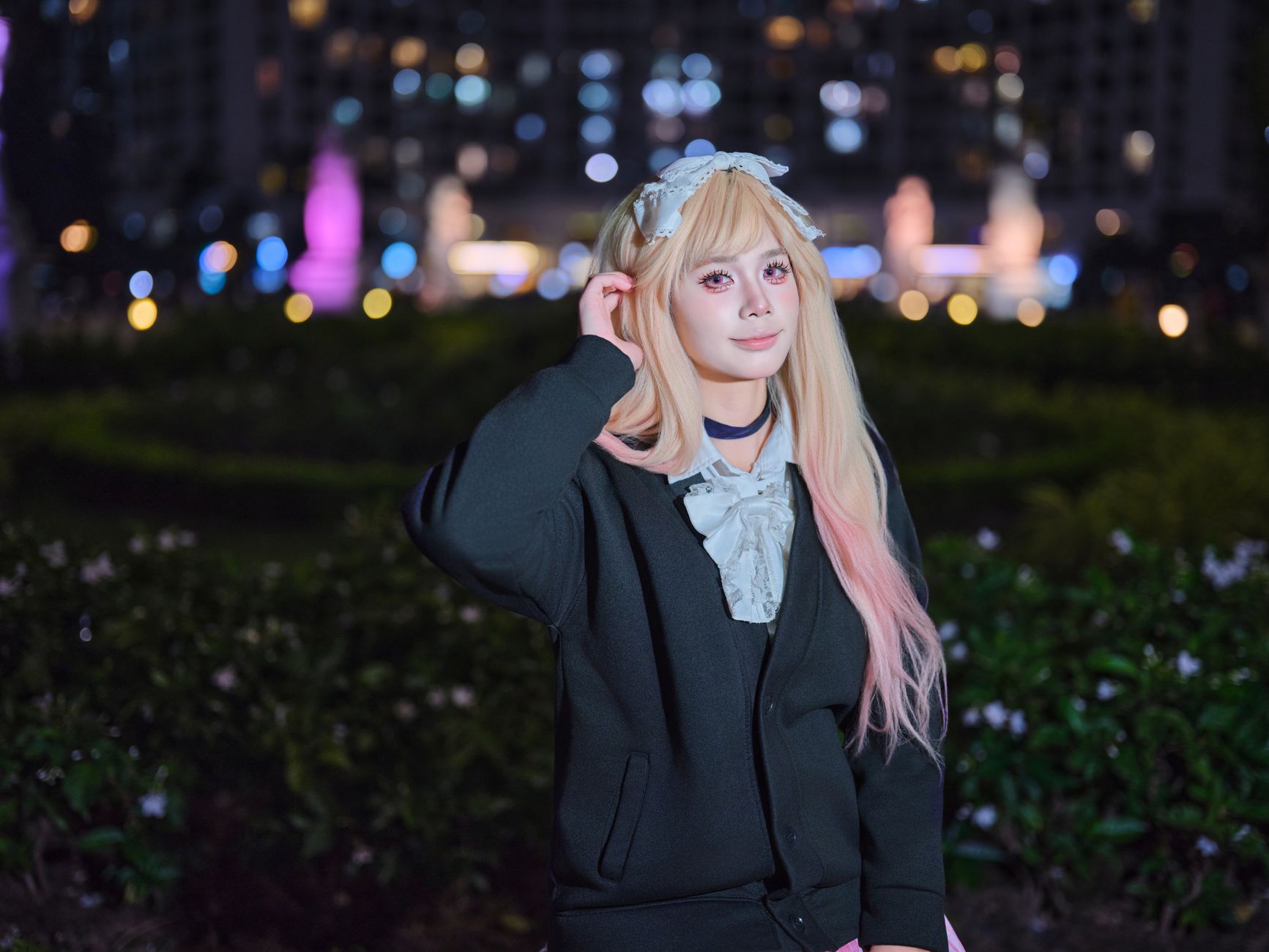
Harajuku, a vibrant district in Tokyo, Japan, represents a unique and eclectic fashion culture that has captivated enthusiasts around the globe. Known for its bold colors, distinctive styles, and creative expressions, Harajuku is not simply a place; it is a movement that embraces individuality and artistic freedom.
The streets of Harajuku serve as a canvas for fashion enthusiasts, trendsetters, and youth cultures, creating an atmosphere where personal expression thrives. This article delves into the meaning, history, various styles, and a style guide to help you explore the diverse world of Harajuku fashion.
What Is Harajuku?
Harajuku refers to both a district in Tokyo and the cultural aesthetic that has emerged from it. The area is known for its unique shopping streets, vibrant youth culture, and experimental fashion, showcasing a range of styles from kawaii to punk. It’s a hub where creativity meets individuality, making it a key influencer in global fashion trends.
The History of Harajuku Fashion
Harajuku’s fashion scene began to flourish in the early 1980s, influenced by Japan’s economic growth and Western pop culture. The area is particularly associated with youth subcultures that have emerged over the years, including the gyaru and lolita movements. By the 1990s, Harajuku became globally recognized after media coverage and the emergence of street style photography.
As the years passed, the styles continued to evolve, influenced by changes in music, art, and global fashion trends. Harajuku fashion not only serves as a medium for self-expression but also reflects social attitudes, identity, and cultural dialogues. Today, the eclectic styles of Harajuku can be found across the world, inspiring many to explore their own fashion identities.
Main Styles of Harajuku Fashion
Harajuku encompasses a multitude of styles, each reflecting unique aspects of individualism and creativity. Below are some of the most iconic fashion styles that have originated from or are commonly associated with Harajuku.
Kawaii Style
Kawaii, meaning “cute” in Japanese, is characterized by playful, youthful aesthetics and bright colors. This style often includes:
- Fluffy skirts or dresses
- Oversized accessories
- Cartoon and character prints
- Pastel shades and soft fabrics
Kawaii outfits aim to evoke charm and innocence, making them popular among younger generations.
Gyaru Style
The gyaru aesthetic focuses on glamorous, bold looks featuring dramatic makeup, and striking fashion choices. Key elements include:
- High heels and platform shoes
- Vibrant hair colors and elaborate hairstyles
- Skinny jeans, flamboyant tops, and short skirts
- Exaggerated makeup, emphasizing tanned skin, false eyelashes, and colorful nail art
The gyaru style represents a sense of confidence and flair, celebrating femininity in a bold way.
Lolita Fashion
Inspired by Victorian and Rococo styles, lolita fashion emphasizes modesty and elegance. This aesthetic is marked by:
- Gothic lace and ruffles
- Tea-length dresses or skirts
- Bow accessories and petticoats
- Substyles such as gothic, classic, and sweet lolita
Lolita fashion expresses an enchanting and feminine side, often with a whimsical touch.
Punk and Visual Kei
Rooted in rebellion, punk fashion features edgy elements such as:
- Studded leather jackets
- Distressed denim
- Combat boots
- Bold makeup and unique hairstyles such as mohawks
Visual kei, a subculture of punk, incorporates theatricality and androgyny, with musicians often dressing in elaborate costumes.
Streetwear
In recent years, streetwear has emerged as a significant style trend within Harajuku, focusing on casual, comfortable attire with urban influences. Key components include:
- Graphic tees and hoodies
- Oversized silhouettes
- Joggers and sneakers
- Caps and backpacks
This approach emphasizes a relaxed aesthetic, drawing inspiration from skate and hip-hop cultures.
Building Your Harajuku-Inspired Wardrobe
To incorporate Harajuku fashion into your wardrobe, consider the following tips on selection and styling.
Wardrobe Essentials
Every Harajuku-inspired wardrobe begins with a few key essentials that can lend to versatility and creativity. Here are some must-haves:
- A mix of graphic tees featuring playful designs or slogans
- Diverse skirts—flare, pleated, or tulle for adding volume
- Statement outerwear, such as oversized denim jackets or bold blazers
- Access to layering pieces like cardigans, crop tops, and long sleeves
- Footwear choices ranging from sneakers to platform shoes
- An array of playful accessories, such as oversized bows, hats, and eclectic jewelry
Color Coordination and Layering
When building a Harajuku-inspired outfit, color coordination plays a crucial role. Experiment with:
- Combining bold hues with soft pastels for a balanced look
- Using layering to create depth, such as pairing a tee with a blouse and a statement coat
- Mixing and matching patterns, like stripes and florals, as long as they share a common color palette
Layering not only adds interest but also allows versatility with changing weather.
Seasonal Dressing
Adapting your Harajuku-inspired wardrobe for seasonal changes can enhance comfort and style. Here are some suggestions:
- Summer: Opt for lightweight fabrics like cotton or linen, and swap long sleeves for short-sleeved shirts and shorts. Add colorful sandals or sneakers.
- Fall: Transition to thicker fabrics, layering long-sleeve tops under dresses. Incorporate boots and stylish hats.
- Winter: Focus on cozy sweaters and layering with coats. Use patterned scarves and accessories to keep it fun and vibrant.
- Spring: Embrace light layers and floral patterns, combining lighter jackets with skirts or shorts.
Occasion Dressing in Harajuku Style
Whether dressing for casual outings or special events, Harajuku fashion can adapt to various occasions with thoughtful styling.
Casual Outings
A casual Harajuku-inspired outfit may include:
- Graphic t-shirt with a fun print
- High-waisted denim shorts or a flared skirt
- Chunky sneakers or colorful flats
- Layered with a light cardigan or oversized jacket
- Accessorized with playful jewelry or a whimsical bag
Workwear
To bring a Harajuku flair into a professional environment, consider:
- Tailored trousers paired with a patterned blouse
- A structured blazer over a graphic shirt to add personality
- Smart loafers or ankle boots
- Minimal yet statement-friendly accessories like a unique watch or simple earrings
Formal Occasions
For more formal events, integrate elements of Harajuku with classic pieces:
- A stylish dress or long skirt with elegant detailing
- Palazzo pants or tailored trousers with a dressy top
- Sleek heels or stylish flats
- Classy accessories, such as a chic clutch or refined earrings
Modest Fashion
Harajuku fashion can easily adapt to modest preferences. Options may include:
- Full-length skirts or dresses paired with high-neck blouses
- Layering with kimono-style jackets or long cardigans
- Comfortable trousers topped with stylish tunics
- Footwear such as chic slip-ons or stylish ankle boots
Harajuku Footwear and Accessories
Footwear and accessories hold the power to define a Harajuku-inspired outfit. Here’s how to approach each category:
Footwear Choices
Consider these styles for a complete Harajuku look:
- Platform sneakers for a bold statement
- Ballet flats with quirky designs for a cute touch
- Combat boots to edge up any outfit
- Heeled sandals or stylish booties for a femme touch
Accessorizing
The right accessories can elevate your outfit:
- Colorful backpacks to add a playful touch
- Statement sunglasses for that fashionable flair
- Chunky jewelry or playful hair clips that reflect your personality
- Witty pins or patches to personalize jackets and bags
Fabric Care and Maintenance Tips
To keep your Harajuku-inspired pieces vibrant and in good shape, follow these fabric care tips:
Understanding Fabrics
Different fabrics require specific care, and understanding their characteristics is essential:
- Cotton: Breathable and easy to wash but may shrink. Wash in cold water and tumble dry on low.
- Polyester: Durable and wrinkle-resistant but can retain odors. Wash with similar colors and air dry for best results.
- Silk: Luxurious and delicate, requiring gentle hand washing or professional cleaning. Avoid direct sunlight to prevent fading.
- Denim: Pre-wash new items to avoid shrinkage. Opt for cold wash and avoid excessive drying to maintain original sizing.
Care Tips
- Always check the care label and follow washing instructions specific to the fabric.
- Store clothing in a cool, dry place to avoid mold and moth damage.
- For delicate items, consider using a garment bag to protect during washing.
- Iron or steam clothes when necessary, paying attention to the suitable temperature for each fabric.
Shopping for Harajuku Fashion
Finding the perfect Harajuku pieces requires knowing where to shop. Here are some tips to consider:
Local Stores and Markets
When visiting Tokyo, the streets of Harajuku offer an abundance of boutiques and vintage shops that highlight local designers. Some notable locations include:
- Harajuku’s Takeshita Street for trendy and affordable finds
- Omotesando for high-end fashion brands and unique boutiques
- Second-hand stores for vintage pieces that have character
Online Shopping
If you’re shopping from abroad, look for online stores that specialize in Japanese fashion. Recommendations include:
- Websites dedicated to Harajuku fashion brands
- Popular Japanese e-commerce sites that ship internationally
- Social media platforms for independent sellers and niche brands
Expressing Your Unique Style
Above all, Harajuku fashion is about embracing your individuality and expressing yourself through clothing. Here are some final styling tips:
- Don’t be afraid to mix styles and create a look that feels authentic to you.
- Experiment with layering, texture, and proportion to deepen your style.
- Choose pieces that reflect your personality, mood, and interests—fashion is a form of self-expression!
- Have fun with your outfits, and don’t hesitate to redefine what fashion means to you.
Incorporating elements of Harajuku fashion into your wardrobe allows for exploration and creativity in expressing your personal style. As you play with outfits, remember that the key is to have fun and be true to yourself.
If you are looking for related fashion guides, consider exploring what makes kawaii fashion special or the intricacies of gyaru style. Discovering these diverse styles can further enrich your personal fashion journey.