
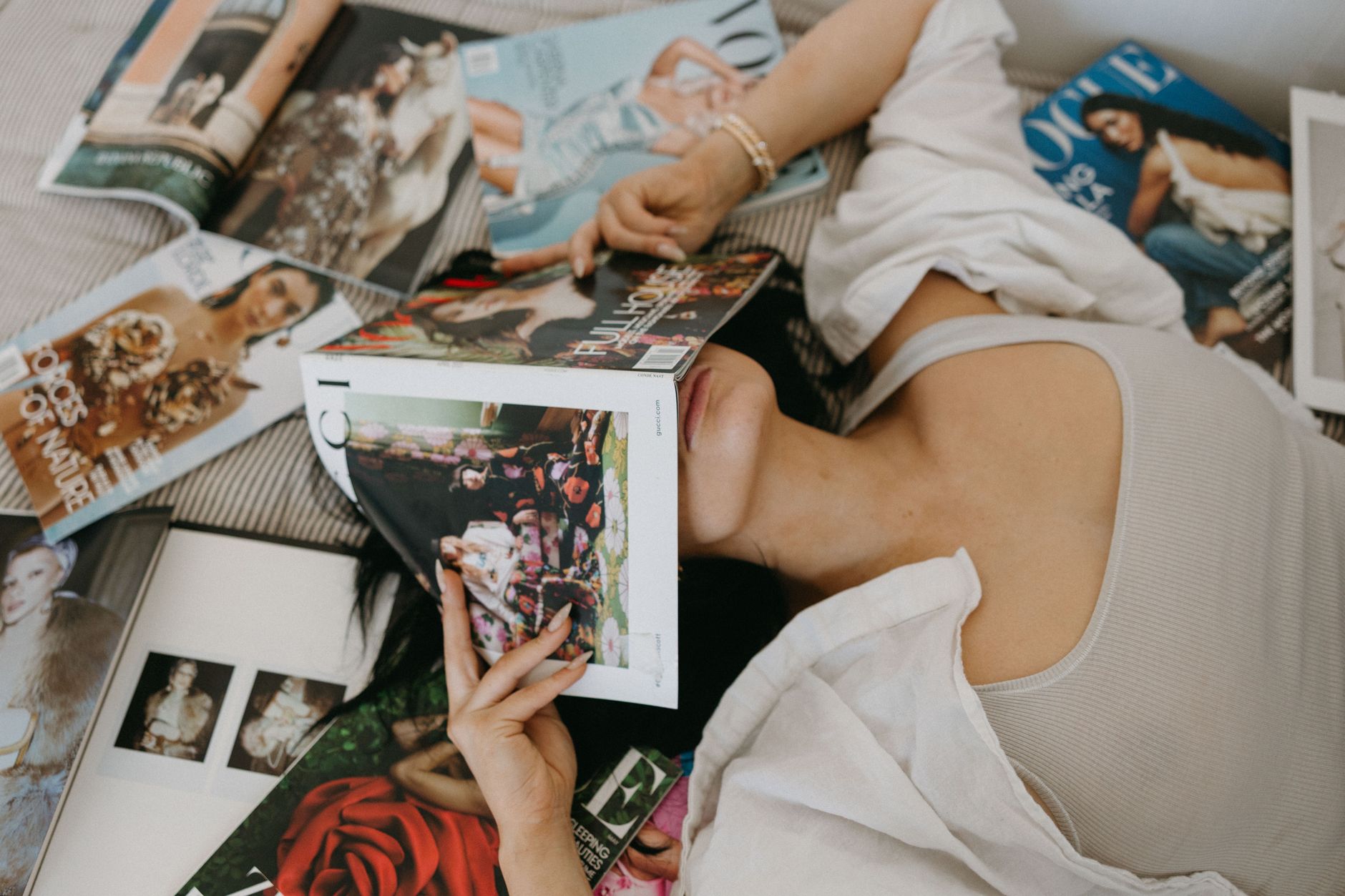
Vogue is synonymous with high fashion, creativity, and style. As an influential fashion magazine, it has shaped the way we perceive trends, clothing, and personal expression for over a century. Understanding Vogue involves delving into its meaning, rich history, various types, and offering practical styling advice derived from its ethos.
This article will explore what Vogue really means, tracing its roots, examining its evolution over the years, and providing insights on how to incorporate its principles into your own wardrobe to enhance your personal style.
What Is Vogue?
Vogue represents both a magazine and a cultural touchstone in the fashion world. It embodies the latest trends, style icons, and groundbreaking design, making it essential reading for fashion enthusiasts. The term “vogue” itself means “the prevailing fashion or style at a particular time,” highlighting its role in guiding and reflecting contemporary tastes.
The History of Vogue
Founded in 1892 in the United States, Vogue began as a weekly publication featuring society news, lifestyle articles, and fashion advice. Over the decades, it evolved into a monthly magazine, showcasing fashion photography and styles that defined generations.
The Early Years
Initially a publication focused on high society, Vogue expanded in the early 20th century to cater to a broader audience. Its editorial direction began to shift, emphasizing fashion as an art form and a means of personal expression.
International Editions
The magazine’s influence spread globally with the launch of international editions in countries such as the UK, France, and Italy. Each iteration captures local culture and style, while still aligning with the overarching Vogue brand.
Key Figures and Moments
Various editors and photographers have left an indelible mark on Vogue’s legacy. Figures such as Diana Vreeland, Anna Wintour, and Vogue’s iconic photographers, like Richard Avedon and Mario Testino, helped define the visual and editorial identity of the magazine.
Types of Vogue
Vogue isn’t just one magazine; it includes various editions tailored to different demographics, cultures, and regions. Each maintains the core themes of style, innovation, and elegance but presents them through unique lenses.
Vogue US
The flagship edition features numerous fashion trends alongside in-depth articles on lifestyle, culture, and beauty. This publication is known for its strong emphasis on high fashion and red carpet events, as well as informative pieces that address social issues.
Vogue UK
Vogue UK has a slightly different flavor. While it also covers high fashion, it often leans towards a more eclectic and avant-garde approach, providing a platform for emerging designers and trends.
Vogue Italia
Known for its artistic and often experimental photography, Vogue Italia has solidified its reputation as a publication that pushes boundaries and challenges conventional fashion norms. It’s the home of innovative design and bold editorial concepts.
Vogue India
Vogue India provides unique insights into Indian fashion and culture. This edition features local designers and celebrates traditional textiles, while also embracing modern styles and global trends.
Understanding Vogue’s Influence on Fashion and Personal Style
Vogue’s impact on the fashion industry is profound. It has the power to elevate trends, introduce new designers, and create global fashion icons. To help you channel the essence of Vogue into your wardrobe, let’s explore how you can incorporate its principles into your personal style.
Outfit Ideas Inspired by Vogue
Creating outfits that capture the sophisticated essence of Vogue doesn’t require a designer wardrobe. Here are some concrete outfit combinations to inspire you.
- Chic Office Attire: Pair a tailored blazer in a neutral tone with a fitted white blouse and cropped black trousers. Complete the look with pointed-toe pumps and a structured tote bag.
- Elegant Evening Look: A flowing maxi dress in a classic floral print can be timeless. Add strappy high-heeled sandals and a clutch to elevate the ensemble for a formal event.
- Casual Chic: A well-fitted pair of high-waisted jeans, a simple turtleneck sweater, and ankle boots create a chic yet laid-back look. Add a statement belt to pull it all together.
- Weekend Wear: A midi skirt paired with a graphic tee offers comfort and style for brunch or a casual outing. Layer with a denim jacket and complete with white sneakers.
Wardrobe Essentials Inspired by Vogue
To build a Vogue-inspired wardrobe, invest in classic pieces that are timeless yet relevant. Following a capsule wardrobe approach can help streamline your choices while ensuring versatility in styling.
- Classic Blazer: A well-tailored blazer can elevate any outfit and suits various occasions.
- Quality Denim: Invest in a couple of pairs—one straight-leg and one skinny—for versatility in styling.
- Little Black Dress (LBD): A staple for any wardrobe that can be dressed up or down depending on the occasion.
- White Button-Up Shirt: This timeless piece offers endless styling possibilities and embodies effortless chic.
- Versatile Footwear: A pair of classic pumps, ankle boots, and stylish flats can serve as a solid foundation for many looks.
Color Coordination and Layering
Mastering color coordination and layering can take your style to the next level, aligning with Vogue’s aesthetic of polished layering and rich color palettes.
Color Palette
Start with a foundational palette. Neutral colors such as black, white, beige, and navy create a sophisticated base. Add accent colors through accessories and seasonal pieces for pops of interest. Some practical combinations include:
- Black and navy create a strong, sophisticated look.
- Soft pastels paired with crisp white for a fresh, spring feel.
- Earthy tones like olive or rust with cream can add warmth and depth.
Layering Techniques
Layering provides dimension and versatility to your outfit. Here are a few strategies to do it seamlessly:
- Base Layer: Start with a fitted top, such as a turtleneck or fitted tee. They act as a smooth canvas for other layers.
- Middle Layer: Incorporate cardigans, blazers, or denim jackets to add style and comfort.
- Outer Layer: Choose a tailored coat in colder months or a structured jacket during transitional seasons.
Seasonal Dressing: Adapting Vogue Principles to Climate
Fashion should reflect both personal style and the environment. Adapting your wardrobe for changing seasons while incorporating Vogue elements is essential for year-round sophistication.
Spring/Summer
In warmer months, focus on lightweight fabrics and bright colors. Embrace flowy silhouettes and breathable materials. Key pieces might include:
- Maxi dresses in floral prints for effortless elegance.
- Chic sandals to pair with tailored shorts or summer skirts.
- Linen blazers that offer style without overheating.
Fall/Winter
When temperatures drop, layering becomes pivotal. Opt for heavier fabrics while maintaining a polished look. Essential items include:
- Wool coats for warmth that also serve as statement pieces.
- Textured fabrics like houndstooth or plaid for visual interest.
- Boots that offer style and practicality, valid for different occasions.
Workwear: Balancing Professionalism and Style
Creating a work wardrobe that reflects the chic essence of Vogue can empower confidence in a professional setting. Here are practical ideas for stylish workwear:
- Tailored trousers and a blouse, complemented by loafers or block-heeled shoes.
- A pencil skirt paired with a fitted turtleneck, topped with a structured blazer.
- A sheath dress layered with a cardigan for warmth, finished with classic pumps.
Casual and Formal Styling: Achieving Vogue Elegance
Understanding how to transition your looks from casual to formal ensures you’re prepared for any occasion while keeping the principles of Vogue in mind.
Casual Styling
Casual doesn’t mean sacrificing style. Incorporate elevated basics that reflect your personal flair:
- Pair well-fitted jeans with a basic tee and a long cardigan for an effortlessly chic look.
- Utilize stylish athleisure wear, such as tailored joggers and a designer hoodie, to keep comfort without compromising style.
Formal Styling
For formal occasions, focus on timeless elegance:
- Stylish evening gowns in solid colors that emphasize your figure or elements of surprise in textures.
- Add accessories like statement earrings or a clutch bag to elevate your look further.
Exercise Your Style: Experiment and Personalize
Vogue is about self-expression, and while it provides guidelines, finding your unique style is paramount. Here’s how you can exercise your creativity within the Vogue framework:
- Mix high-end pieces with high-street brands for an individual look.
- Experiment with accessories—try bold jewelry or a hat to add a personal touch.
- Play with fabrics; for instance, pairing a leather jacket with a feminine dress for a stylish juxtaposition.
Fabrics and Garment Care
Understanding fabrics is fundamental to creating a Vogue-inspired wardrobe. The right materials can elevate style while ensuring longevity in your garments.
Fabric Types and Their Uses
Here’s a brief overview of common fabrics and their respective roles in your wardrobe:
- Cotton: Versatile and breathable, perfect for casual wear.
- Linen: Lightweight and ideal for summer but wrinkles easily.
- Wool: Excellent for colder months, offering warmth and sophistication.
- Satin: Adds a luxurious touch to formal wear and special occasions.
- Denim: Durable and a staple for casual, everyday outfits.
Garment Care Tips
Taking care of your clothes extends their life and keeps them looking fresh:
- Check care labels for washing and drying instructions.
- Store garments appropriately—use padded hangers for delicate pieces.
- Dry clean when necessary, but spot clean or hand wash fabrics like silk and wool.
Navigating Fashion History and Trends
Understanding fashion history provides context for current trends and your personal style. Vogue is a reflection of the sociocultural dynamics as much as it is of aesthetics. Recognizing how past styles inform modern ones can ignite creativity in wardrobe choices.
Enduring Trends
Some styles have remained classic despite the ebbs and flows of fashion.
- The little black dress has been a staple since Coco Chanel introduced it in the 1920s.
- High-waisted trousers have evolved yet remain stylish across eras.
- Classic trench coats offer adaptability from casual to formal settings.
Seasonal Trends
Stay informed about current trends without losing your personal style signature. Consider how seasonal trends create opportunities for wardrobe updates while reflecting cultural moments:
- Bright colors or bold patterns can emerge each season, allowing for refreshing wardrobe additions.
- Climate influences the materials and silhouettes that gain popularity among designers and consumers alike.
Shopping Strategies Inspired by Vogue
Building a Vogue-inspired wardrobe involves strategic shopping. Here are practical tips to enhance your shopping experience:
- Create a wishlist focusing on wardrobe essentials and seasonal additions rather than impulse purchases.
- Research and invest in quality over quantity; well-made pieces last longer and retain their appearance.
- Explore vintage shops and thrift stores to find unique pieces that give a contemporary twist to classic styles.
Summary and Next Steps
Embracing the essence of Vogue involves understanding its history, principles, and the influence it has on personal style. Experiment with outfits, focus on quality fabrics, and cultivate a wardrobe that reflects your individuality while being inspired by fashion’s rich tapestry.
Start by experimenting with a Vogue-inspired outfit combination or assess your wardrobe for essential pieces that align with your style vision. For more styling tips, explore ideas like high fashion or couture inspirations that can further refine your approach to personal style.