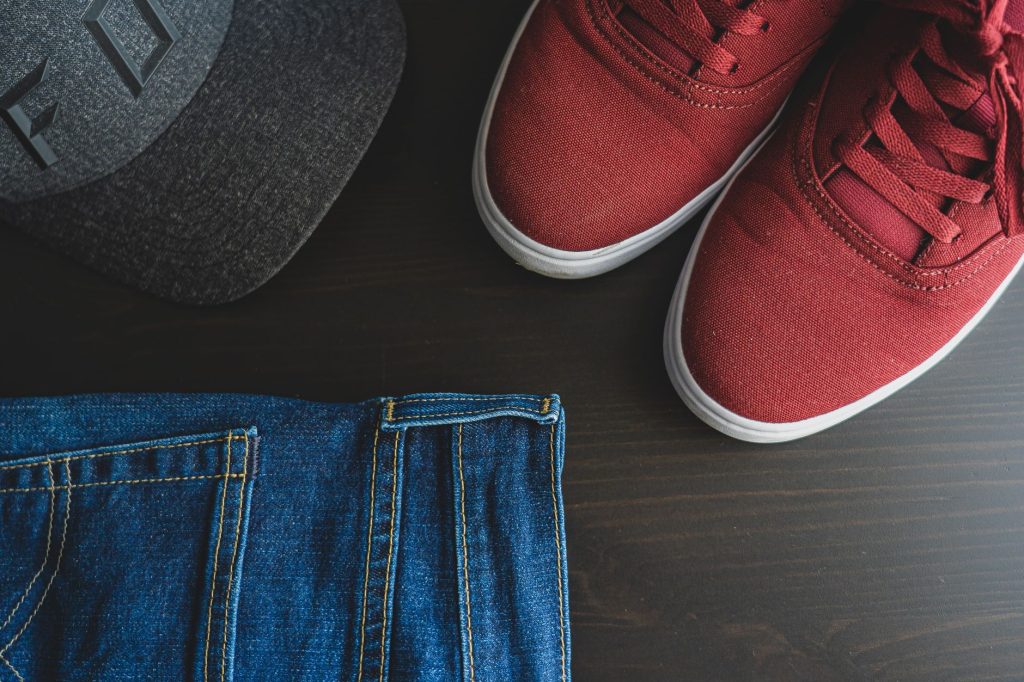
Shoes can make or break an outfit, playing a crucial role in the overall look and feel. Choosing the right pair can elevate your style and ensure you feel comfortable and confident. This comprehensive guide will explore various approaches to matching shoes with outfits, allowing you to create visually appealing ensembles for any occasion.
From understanding the fundamentals of color coordination to selecting versatile styles for a capsule wardrobe, we’re here to help you make informed choices. Let’s dive into the essentials of matching shoes with outfits.
How To Match Shoes With Outfits?
Matching shoes with outfits involves considering color, style, occasion, and comfort. Start by harmonizing your shoe choice with the outfit’s colors and style; for example, pair casual outfits with sneakers and dressier looks with heels or loafers. Always prioritize comfort and fit for an overall polished appearance.
Understanding Shoe Types
To effectively match shoes with outfits, it’s essential to know the various types of footwear available. Here are some common shoe categories that you should consider:
- Sneakers: Versatile and great for casual outfits.
- Flats: Comfortable options that work with both casual and semi-formal outfits.
- Heels: Elevate any formal look, ideal for events and professional settings.
- Boots: Perfect for colder months, available in various styles from chic ankle boots to rugged combat boots.
- Loafers: Elegant yet practical, suitable for both work and casual wear.
- Sandals: Great for summer; they come in both casual and dressy styles.
Color Coordination Basics
Color plays a vital role in matching shoes with outfits. The goal is to create a cohesive look that either complements or contrasts well. Here are some key points to consider:
Complementary Colors
Choose shoes in a color that complements your outfit. For example, pairing a navy dress with blush pink shoes creates a soft, romantic look. Use a color wheel to help you identify complementary colors that work well together.
Neutral Colors
Neutral shoe colors, such as black, white, beige, or grey, can seamlessly complement nearly any outfit. They are versatile staples that can be dressed up or down. For instance, a pair of classic black heels can work with a colorful dress or a monochromatic outfit.
Statement Shoes
Consider wearing statement shoes to draw attention to your feet. When doing this, keep the rest of your outfit relatively simple. For example, a pair of red shoes can pop against an all-black outfit without overwhelming the look.
Seasonal Considerations
Different seasons call for distinct footwear choices and outfit styles. Here’s how to adapt your shoe options based on seasonal changes:
Spring
In spring, opt for lightweight materials and brighter colors. Sneakers, ballet flats, and open-toed shoes can all work well. Pair floral dresses with pastel flats or vibrant sneakers for a fresh look.
Summer
During the hotter months, sandals and breathable shoes are key. Whether you choose chic heels or comfortable slides, keep in mind the importance of comfort and style. Try pairing relaxed linen pants with espadrille wedges for a stylish summer ensemble.
Fall
As the weather cools down, consider ankle boots, loafers, and stylish sneakers. A great match would be a warm-toned corduroy skirt with brown ankle boots. Layering allows for interesting combinations and creates depth in your outfit.
Winter
In colder months, prioritize warmth and support. Choose chic boots—knee-high for dressy occasions or ankle boots for casual outings. A classic combination would be a wool coat, jeans, and heeled ankle boots.
Styling by Occasion
Your shoe choice should also be influenced by the occasion. Here are some outfit ideas based on different dress codes:
Casual Outfits
- Sneakers paired with jeans and a t-shirt.
- Flats with a casual sundress for a picnic.
- Canvas loafers with chinos or shorts.
Smart Casual Outfits
- Sleek ankle boots worn with tailored trousers and a blouse.
- Dressy sandals paired with a midi dress.
- Loafers combined with a smart-casual jumpsuit.
Business Attire
- Oxfords or loafers with tailored pants and a blazer.
- Classic heels with a sheath dress.
- Sharp ankle boots with a pencil skirt and shirt.
Formal Events
- High heels with an evening gown or cocktail dress.
- Dressy brogues with a tailored suit.
- Chic sandals with a formal jumpsuit.
Fit and Proportion
Ensuring that your shoes fit well can make a significant difference in how you feel in your outfit. Here are some principles to keep in mind regarding fit and proportion:
Proper Fit
Ill-fitting shoes can lead to discomfort and affect your posture. Make sure to choose the right size, considering various factors like toe shape, width, and arch support. If needed, consult a professional to assess your foot measurements.
Proportional Matching
Consider the silhouette of your outfit when selecting shoes. For longer outfits, such as maxi dresses, try strappy sandals or heeled options to elongate your frame. In contrast, wear flats or ankle boots with shorter hemlines for a balanced look.
Creating a Capsule Wardrobe with Versatile Shoes
A capsule wardrobe allows you to streamline your clothing collection while ensuring versatility. Here’s how to select shoes that mesh well with various outfits:
- Classic Black Heels: Essential for dressy occasions and can be worn with dresses or tailored pants.
- Neutral Flats: Work with almost any casual ensemble and add comfort to your wardrobe.
- Stylish Sneakers: Perfect for off-duty looks and ideal for teaming up with jeans or casual dresses.
- Chic Ankle Boots: Great for transitional seasons and pair well with jeans and skirts alike.
Common Mistakes to Avoid
Matching shoes with outfits can be tricky, especially when tackling new styles. Here are some common mistakes to avoid:
Ignoring the Occasion
Wearing casual shoes to a formal event can create an imbalance. Always consider the occasion’s dress code when selecting your footwear.
Over-matching Colors
While coordinating your shoe color with your outfit is essential, being overly matchy-matchy can look dated. Aim for harmony without being identical.
Neglecting Comfort
Style is important, but comfort should not be sacrificed. Choose shoes that not only look good but also provide ample support for the task at hand.
Fashion Trends and Innovations
Keeping an eye on current trends can help you stay fashionable and inspired. Here are some trends and innovations in footwear to incorporate into your outfits:
Chunky Sneakers
Chunky sneakers have become a fashion staple, blending comfort with style. Pair them with dressy outfits to create a trendy contrast.
Platform Shoes
Platforms are back in style, providing extra height while remaining comfortable. Wear them with everything from jeans to dresses.
Pointed-Toe Shoes
Pointed-toe flats and heels offer an elegant touch to any outfit. Pair them with tailored pants or dresses for a polished appearance.
Accessorizing With Footwear
When matching shoes with outfits, accessories also play a significant role. Here are some tips for incorporating accessories alongside your footwear:
Color Cohesion
Utilize accessories, such as bags and jewelry, to match or complement your shoes. For example, if you wear nude heels, consider a matching handbag for a cohesive look.
Texture Play
Experiment with textures in your shoes and accessories. Pair leather shoes with a cotton outfit for contrast or choose suede shoes to soften a more structured ensemble.
Layering
Incorporate layers for added depth. Cardigans, scarves, and statement jewelry can enhance the overall aesthetic while allowing your shoes to shine.
Garment Care and Shoe Maintenance
Taking care of your shoes is inherently connected to looking polished. Here are tips for garment care and shoe maintenance:
Cleaning Your Shoes
Follow the manufacturer’s care instructions to maintain your footwear. Regularly clean and condition leather shoes, while canvas styles can often be machine-washed. Ensure to air-dry them properly.
Storage Solutions
Store shoes in a cool, dry place. Use shoe trees to maintain shape and prevent creasing. If possible, keep them in dust bags to protect from dirt and damage.
Practical Shopping Guides
When shopping for shoes, consider the following tips to ensure you make informed choices:
Quality Over Quantity
Invest in quality shoes that provide both comfort and style, even if it means buying less. Look for durable materials and craftsmanship.
Try Before You Buy
Always try shoes on before purchasing. Walk around to ensure they feel comfortable, and pay attention to any pinching or slipping.
Read Reviews
Do some research on brands and styles. Customer reviews can provide insight into fit and comfort.
Conclusion
Matching shoes with outfits may seem challenging, but understanding color, style, and occasion is key to mastering this art. Create versatile looks by selecting the right footwear for any season and occasion, ensuring both comfort and style. Start incorporating these tips into your wardrobe today and watch your styling game soar!
Explore related fashion guides and styling articles such as what shoes to wear with wide leg jeans and what color shoes to wear with a navy dress for more inspiration on pairing footwear with outfits.