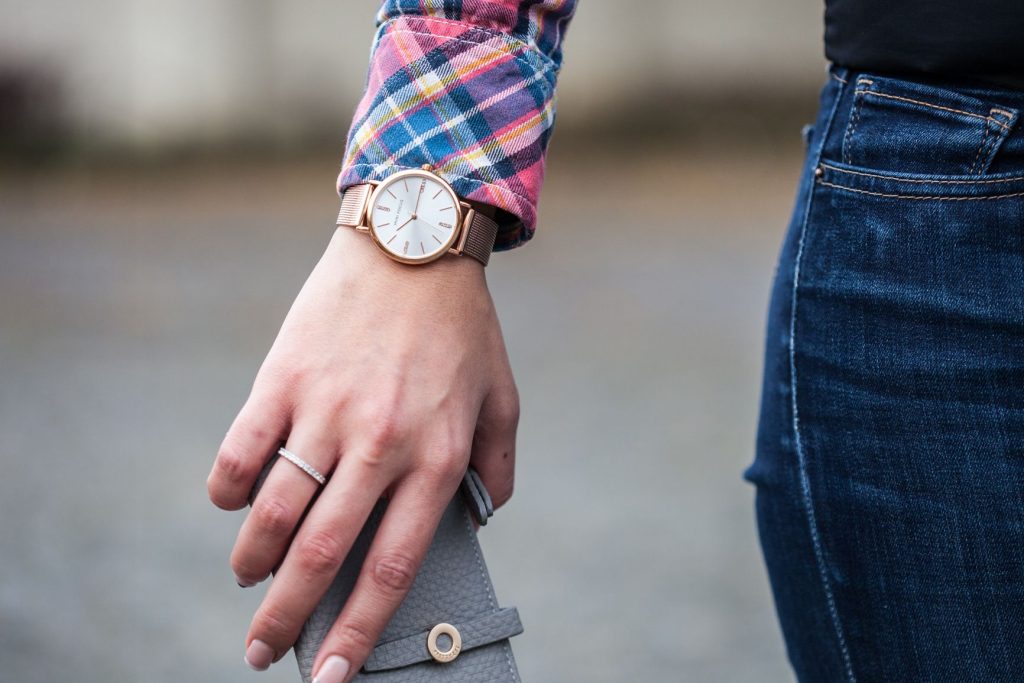
Wearing a watch is more than just a means to tell time; it’s a significant fashion statement and an extension of personal style. While many people wonder, “What hand do you wear a watch on?” the decision often intertwines with cultural norms, personal preference, and even practicality. This guide will help you navigate the nuances of watch-wearing etiquette and offer styling tips.
In this article, we will explore not only which hand is traditionally used for a watch, but also considerations for various occasions and styles. Additionally, we will discuss integrating watches into your wardrobe, the significance of fit and comfort, and how to make your choice versatile across seasons and occasions.
What Hand Do You Wear A Watch On?
The general convention is to wear a watch on the non-dominant hand. For right-handed individuals, this typically means wearing the watch on the left wrist, while left-handed individuals often prefer the right wrist. This practice not only helps reduce the risk of damage when writing or using tools but also promotes greater comfort and functionality.
However, this is not a strict rule. Many people choose to wear their watches on their dominant hand as a way to express personal style. Understanding your comfort and preferences is key to your choice.
Factors Influencing Your Choice of Watch Placement
While the common practice is to wear a watch on the non-dominant wrist, several factors can influence how you choose to wear your watch:
- Comfort: Comfort should always take priority. If wearing your watch on your dominant wrist feels more natural for you, then go for it.
- Watch Style: Consider the type of watch. Some styles, such as oversized watches or bulky smartwatches, might fit better on one wrist than the other.
- Functionality: If you rely on your watch frequently, such as for fitness tracking or notifications, you may want to wear it where it’s easily accessible.
- Cultural Norms: Different cultures have varied practices regarding watch placement, which may influence how others perceive your style.
Understanding Wristwatch Types and Their Placement
Next, it’s useful to differentiate among various types of watches, as each has a unique vibe and style that can affect your decision:
Analog Watches
Classic analog watches are often associated with formal and semi-formal settings. Wearing one on your left wrist is traditional, pairing well with both casual and business attire. If you’re left-handed, consider how the watch fits your active lifestyle. Opt for designs that resonate with your personal aesthetic while still conforming to your practical needs.
Digital Watches
On the other hand, digital watches tend to offer a sporty and casual appeal. These can typically be worn on either wrist, and many wearers place them on the wrist that feels more natural during physical activities. If you engage in sports or fitness activities, this flexibility allows for an accommodating fit.
Smartwatches
Smartwatches have blurred the lines between fashion and technology. You can wear a smartwatch on either wrist, depending on your comfort and the tech functions you require. They often come with customizable bands that allow for personal expression, opening numerous styling options.
Seasonal Considerations for Wearing a Watch
Your choice of wristwatch can also be influenced by the seasons and the overall look you wish to achieve. Here’s how to style your timepiece according to the time of year:
Spring & Summer
- Select watches made from lighter materials, such as silicone or fabric bands, to enhance comfort.
- Colors can reflect seasonal tones. Bright and floral watches can complement light fabrics.
- Consider wearing your watch higher up on your wrist for a breezy, relaxed vibe, allowing more air circulation.
Fall & Winter
- Heavier metals or leathers can add a touch of sophistication and warmth during colder months.
- Opt for darker tones or jewel colors that align with the fall and winter fashion palette.
- Layering with long sleeves or jackets is common, so adjust watch placement for maximum visibility while still retaining style.
Styling Your Watch with Different Outfits
Integrating a watch into your overall outfit can create a polished and cohesive look. Here are some outfit formulas based on different occasions:
Casual Looks
- Pair a digital or sporty analog watch with a relaxed t-shirt and jeans. Accessories can be minimalistic for a laid-back vibe.
- A woven band watch can harmonize beautifully with linen shorts or a casual dress during summertime.
Business Attire
- Choose an analog watch with a leather band to complement a tailored suit or business casual look.
- Consider watches with subdued colors or classical designs that pair well with your professional attire.
Formal Occasions
- Select a luxury or dress watch featuring precious materials such as gold or silver for formal events.
- Coordinate the watch face with the overall color tone of your outfit, providing a well-thought-out, elegant touch.
Common Mistakes to Avoid When Wearing a Watch
While accessorizing with a watch can enhance your style, there are some common pitfalls to avoid:
- Size Matters: Wearing a watch too large or too small can disrupt the balance of your outfit. Be mindful of proportions.
- Inappropriate Placement: Ensure that your watch does not interfere with your sleeve length. Watches should sit comfortably under your wrist without being overshadowed by clothing.
- Over-Accessorizing: Avoid wearing too many accessories alongside your watch. It’s important to maintain a balance to keep your look sophisticated.
Fit and Comfort: Choosing the Right Watch Size
Comfort and fit are key aspects when deciding which wrist to wear your watch on. The following aspects will help you in selecting the perfect fit:
Watch Size
Watches come in various sizes, and it’s essential to choose one that fits your wrist proportion well. Consider the width of the watch face – broader faces work well on larger wrists, while slimmer designs accompany more petite wrists gracefully.
Band Material
The material of the watch band plays a significant role in overall comfort. Leather bands can be breathable and durable, while metal bands can sometimes pinch or scratch. If you have a more active lifestyle, opting for silicone or fabric bands might be the most comfortable.
Tips for Caring for Your Watch
Proper care and maintenance will prolong the life of your watch, safeguarding it against wear and tear. Here are practical tips:
- Regular Cleaning: Use a soft cloth to clean both the watch face and the band. For metal bands, consider using a gentle soap and water solution occasionally.
- Water Resistance: Check the water resistance level of your watch and avoid exposing it to water beyond the manufacturer’s specifications.
- Storage: When not in use, store your watch in a cool, dry place to prevent damage from humidity or heat.
Sustainable Watch Brands to Consider
As sustainability in fashion becomes increasingly important, exploring eco-friendly watch brands is a great option. Here are some brands known for their commitment to ethical and sustainable practices:
- Solios: This brand focuses on solar-powered watches made from sustainable materials.
- Wooden Watches: Various brands now make watches from reclaimed wood, combining aesthetics with environmental consciousness.
- Nomad: Known for their sleek and sustainable designs, they offer a luxe appeal without compromise.
Styling Accessories to Complement Your Watch
A watch can serve as an anchor for your outfit, but numerous accessories can enhance its style:
Bracelets
Wearing a bracelet alongside your watch can personalize your style, but keep in mind to maintain balance. Opt for a simple cuff or a woven piece that doesn’t clash with your watch design.
Rings
Rings can also balance out your overall look. If you wear several rings, consider minimalist styles that won’t overpower the watch. Maintaining cohesive tones can tie together your accessories beautifully.
Other Jewelry
When dressing for formal occasions, dangling earrings or delicate necklaces can enhance the elegance of your watch without drawing excessive attention away from it.
Conclusion
Choosing the right wrist for your watch involves weighing personal preference against traditional practices. Carefully consider factors like comfort, occasion, and outfit style to make your decision. Moreover, stay mindful of fit and proportions to ensure your watch complements your overall look. Remember, your wristwatch is a tool for both timing and style, capable of making a memorable impression.
Explore related fashion guides and styling articles to enhance your wardrobe, including tips on how to wear a watch and style suggestions that can elevate your personal flair at this resource.