Scarves are one of the most versatile and timeless accessories available, capable of transforming any outfit while providing extra warmth and style. Whether you’re dressing for a chilly day or looking to elevate your ensemble, a scarf can be the perfect addition. This article offers a comprehensive guide on how to style a scarf, covering various techniques, fabric types, seasonal variations, and outfit ideas.
From silk and wool to cotton and cashmere, scarves come in a plethora of materials and styles. With a little creativity and knowledge of basic techniques, you can master the art of scarf styling and make this accessory work for any occasion.
How To Style A Scarf?
To style a scarf effectively, consider the fabric, season, and overall look you wish to achieve. Different knots and draping techniques can dramatically change your outfit’s vibe, allowing you to express your personal style effortlessly. Here are some key strategies.
Choosing the Right Scarf
The first step in styling a scarf is selecting the right one. Consider the following factors:
- Fabric: Choose silk or lightweight cotton for warmer months and wool or cashmere for colder weather.
- Length: Long scarves offer more versatility for various knots, while shorter scarves can be stylish if styled correctly.
- Pattern and Color: Opt for classic patterns like plaids and stripes, or bold colors to make a statement. Ensure it complements your outfit’s overall palette.
- Occasion: Select scarves that fit the context, whether it’s casual, formal, or professional.
Basic Scarf Tying Techniques
Learning how to tie a scarf in different ways enhances your wardrobe’s versatility. Here are several popular methods:
The Loop
This technique is simple yet effective, perfect for chilly days.
- Fold the scarf in half lengthwise to create a loop at one end.
- Wrap the scarf around your neck.
- Pull the loose ends through the loop and tighten it to your desired fit.
The Wrap
Ideal for cooler weather, this method offers extra coverage.
- Place the scarf around your neck, leaving one end longer than the other.
- Wrap the longer end around your neck twice.
- Let the ends hang in front or tuck them into your outer layer for warmth.
The French Twist
A chic option for both casual and formal looks.
- Place the scarf around your neck with both ends hanging evenly.
- Twist the ends together, then wrap them around your neck.
- Tuck the ends into the wrap to hold them in place.
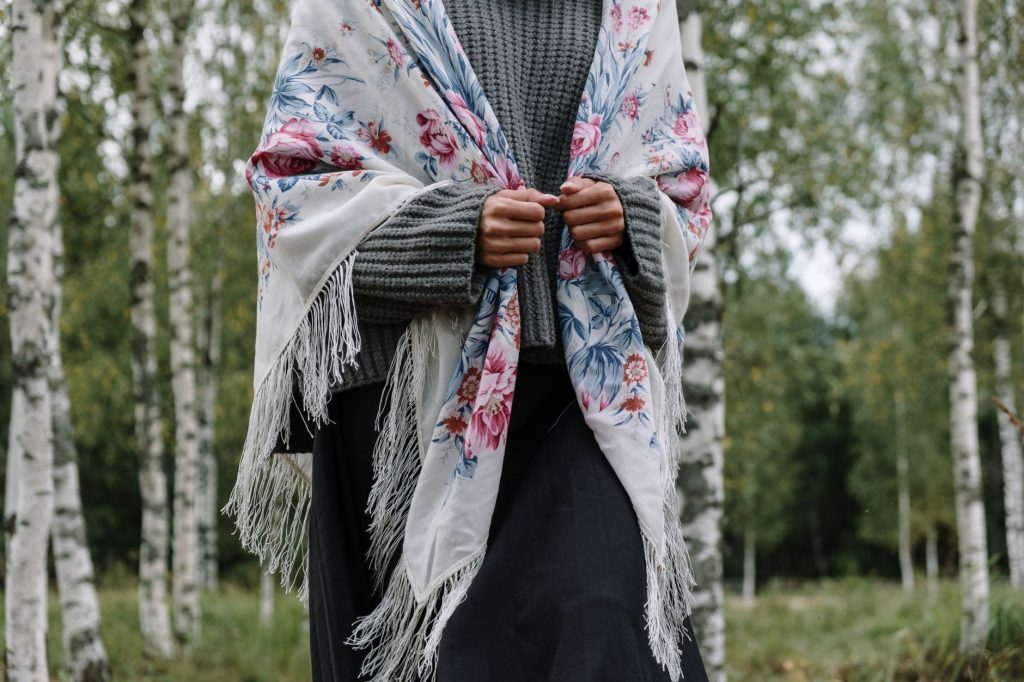
The Shawl
Great for draping over shoulders; it adds elegance to evening wear.
- Open the scarf fully so it resembles a shawl.
- Drape it over your shoulders and let it hang freely.
- Adjust as needed for comfort and style.
Styling Scarves by Season
Scarves can be adapted for different seasons and weather conditions, providing both warmth and style. Here’s how to style them year-round:
Spring
Lightweight fabrics are ideal for spring, allowing you to add a pop of color without bulky layers.
- Opt for floral or pastel prints.
- Try a loose knot or the loop method for a breezy feel.
- Pair with a denim jacket and white t-shirt for a casual, fresh look.
Summer
During summer, scarves can be used as headbands or even tied around bags for a chic touch.
- Look for lightweight cotton or silk scarves.
- Wear them as a head wrap or tie one around your ponytail.
- Try a simple neck tie for a fashionable, effortless vibe.
Autumn
As the weather cools, thick scarves become essential for warmth and style.
- Choose wool or cashmere options in deep colors.
- Use the wrap method for bundled warmth.
- Pair with trench coats and ankle boots for a stylish autumn look.
Winter
Winter scarves should offer maximum warmth with style.
- Invest in oversized, chunky scarves for extra coverage.
- Try the shawl technique over bulky jackets or sweaters.
- Add gloves and a knitted hat to complete the winter ensemble.
Creating Outfit Combinations
A scarf can tie an outfit together, elevating even the simplest combinations. Here are some ways to create harmonious looks:
Casual Outfits
For a laid-back vibe, consider styling scarves with relaxed pieces.
- Pair a knitted scarf with a basic t-shirt and jeans.
- Add ankle boots for a polished yet casual look.
- Layer with a denim jacket or cardigan to enhance texture.
Professional Attire
In a workplace setting, a scarf can add an element of sophistication.
- Try a silk scarf tied around a blouse or secured to a blazer lapel.
- Coordinate with subtle patterns or colors from your professional wardrobe.
- Opt for elegant draping styles that maintain a neat appearance.
Evening Looks
A scarf can enhance formal wear, making it feel more luxurious.
- Choose a lightweight, embellished scarf to pair with a fitted dress.
- Employ the shawl technique to create an elegant silhouette.
- Add strappy heels and accessories that reflect your scarf’s colors.
Accessories and Footwear Coordination
To ensure a cohesive look, coordinating your scarf with accessories and footwear is essential.
- Handbags: A structured bag can balance casual scarves, while softer bags complement flowy fabrics.
- Jewelry: Keep accessories minimal when wearing a bold scarf to avoid overwhelming the look.
- Shoes: Ankle boots pair well with chunky scarves, while elegant flats or heels suit silk or lighter scarves.
Color Coordination and Patterns
Mastering color and pattern coordination is crucial when styling a scarf.
- Complementary Colors: Use a color wheel to find shades that work well together.
- Mixing Patterns: If you choose to mix patterns, ensure they have at least one color in common for continuity.
- Neutral Choices: Neutrals can serve as a foundation, allowing you to play with brighter, bolder scarves.
Fabric Considerations and Care
Different scarf fabrics require specific care to maintain their quality and longevity. Here’s a quick guide:
- Cotton: Generally machine washable on cold settings; avoid high heat in drying.
- Silk: Hand wash or dry clean to preserve its luster and prevent damage.
- Wool: Dry clean is preferred to maintain shape; spot clean if necessary.
- Cashmere: Treat as you would silk—gentle hand wash or dry clean only.
Common Mistakes to Avoid
To achieve a well-styled scarf look, it’s essential to avoid common pitfalls:
- Avoid choosing a scarf that overwhelms your frame; select proportions that complement your body type.
- Refrain from wearing a scarf that competes with other bold patterns; let one piece be the statement.
- Never underestimate the power of balancing your outfit; consider fit and layering to create a harmonious look.
Sustainable Fashion and Scarves
As sustainability in fashion becomes increasingly important, opt for scarves made from eco-friendly materials or consider second-hand options. Supporting local artisans and discovering vintage pieces can enhance your wardrobe while promoting sustainable practices.
Shopping Guides
When selecting scarves, keep in mind the following criteria:
- Budget: Set a budget that aligns with your overall wardrobe strategy, knowing that quality options exist at various price points.
- Versatility: Choose colors and patterns that can easily mix and match with existing items in your capsule wardrobe.
- Size: Consider whether you prefer longer or shorter scarves depending on your styling needs.
Scarves are a significant staple in fashion, able to elevate looks, provide warmth, and express individuality. By understanding the various techniques, materials, and outfit combinations, you can effortlessly integrate scarves into your style repertoire.
Explore ways to enhance your wardrobe further with resources on how to wear a scarf and how to tie a scarf on your head.