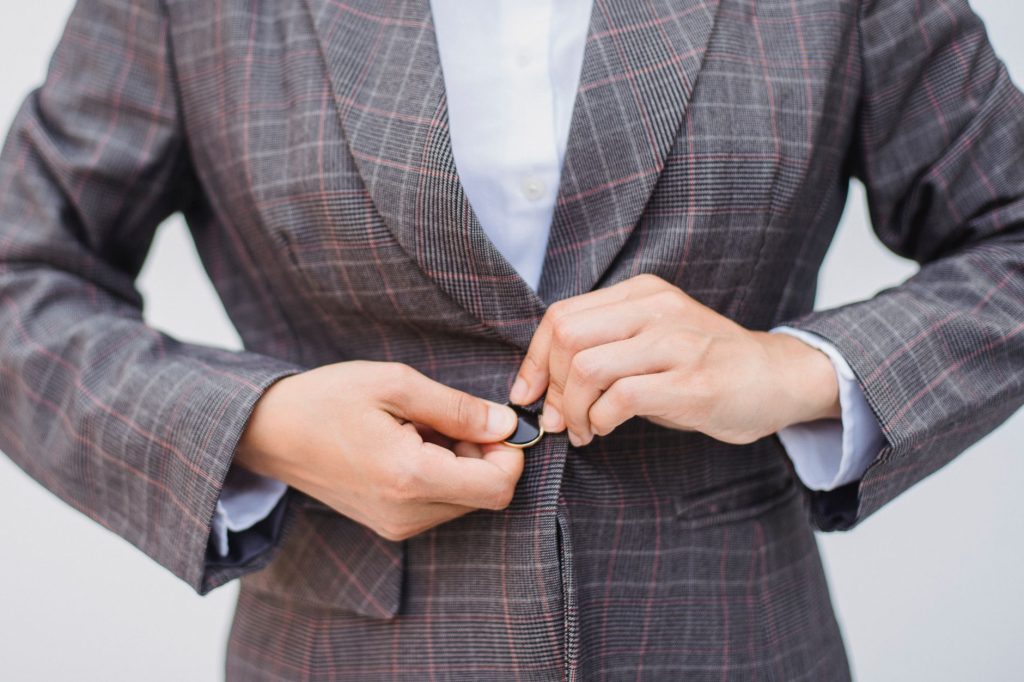
Business casual is often one of the most misconstrued dress codes, with interpretations varying widely across industries and workplaces. Striking the right balance between professional and relaxed can be quite the challenge, but with a little insight, you can master the art of business casual dressing.
This article will guide you through what business casual looks like, providing outfit ideas, styling advice, and tips on putting together a polished, versatile wardrobe that meets these dress code expectations.
What Does Business Casual Look Like?
Business casual typically combines professional attire and smart-casual elements. Think tailored pieces paired with more relaxed elements. The goal is to look neat and put together while allowing for personal expression.
In practical terms, this often translates to dress shirts, blouses, smart trousers, and blazers, but with room for less formal footwear and accessories. Let’s explore the essential components and variations.
Core Elements of Business Casual
To create business casual outfits, you need to focus on the right mix of pieces. Here are the core elements:
- Tops: Dress shirts, blouses, polo shirts, or smart knitwear.
- Bottoms: Slacks, chinos, tailored skirts, or dresses.
- Outerwear: Blazers, cardigans, or tailored jackets.
- Footwear: Loafers, ankle boots, oxfords, or stylish flats.
- Accessories: Simple jewelry, belts, and structured bags.
Outfit Ideas for Business Casual
Let’s get into practical outfit ideas to help you visualize business casual looks. These combinations can be adapted for different seasons, settings, and levels of formality.
For Women
- Classic Blouse and Trousers:
A tailored white blouse paired with navy or charcoal tapered trousers creates a timeless, polished look. Tuck in the shirt for a more refined appearance.
- Pencil Skirt and Sweater:
A fitted pencil skirt in black or a neutral tone with a fine-knit sweater can strike the perfect balance between professional and comfortable. Finish off with a pair of low block heels.
- Dress with a Blazer:
Choose a simple shift or wrap dress. Adding a tailored blazer elevates the look significantly, making it suitable for meetings.
- Chinos and Button-Up:
Opt for stylish chinos in a fun color paired with a crisp button-up shirt. Roll up the sleeves for a more relaxed approach, and choose chic flats for comfort.
For Men
- Smart Casual Shirt and Pants:
A well-fitted button-up shirt with a pair of tailored chinos is a go-to option. Choose a subtle pattern or solid color for a sharp appearance.
- Blazer Over a Sweater:
Layer a blazer over a fine-gauge sweater and pair with dark denim jeans for a modern twist on business casual.
- Polo with Dress Pants:
A high-quality polo shirt worn with dress pants is comfortable yet sophisticated. A leather belt and dress shoes can refine the ensemble.
- Casual Suit:
A light-colored suit worn without a tie can work for business casual events during warmer months, paired with loafers for a relaxed yet put-together vibe.
Seasonal Considerations
As you build your business casual wardrobe, it’s essential to consider seasonal differences. Let’s break down how to adapt your looks for the changing seasons.
Spring and Summer
Lightweight fabrics such as cotton and linen are perfect for warmer months. Opt for light colors and playful patterns. Consider short-sleeve shirts, breathable dresses, and cropped trousers.
Autumn and Winter
In cooler weather, layering is key. Choose heavier fabrics like wool and add layers through tailored blazers or cardigans. Incorporate darker colors such as deep greens, burgundies, and navy.
Wardrobe Essentials for Business Casual
A well-curated wardrobe allows for versatile outfit combinations. Here’s a list of essential garments to consider when assembling your business casual collection.
- Versatile Blazers: A structured blazer can be dressed up or down, making it a staple.
- Tailored Trousers: Opt for classic colors like black, navy, or beige.
- Dress Shirts and Blouses: Invest in quality fabrics and classic cuts.
- Smart Shoes: A pair of loafers or ankle boots that are comfortable enough for all-day wear is crucial.
- Seasonal Accessories: Scarves for winter and statement jewelry for summer can elevate your outfits.
Color Coordination and Patterns
Color plays a significant role in how business casual outfits are perceived. Here are some tips on using color and patterns effectively:
- Neutral Palettes: Base your outfits on neutral colors for a strong foundation. Shades like black, gray, navy, and beige are practical and professional.
- Accent Colors: Introduce subtle accent colors through accessories, ties, or patterned shirts to create interest without being overpowering.
- Patterns: Stripes, checks, or subtle florals can all work well. Ensure patterns remain sophisticated; aim for understated rather than flashy.
Fit Matters
The fit of your business casual attire significantly influences its overall appearance. Here’s what to consider:
- Tailored Outfits: Choose pieces that skim the body without being too tight or loose.
- Proportions: If wearing wide-leg pants, pair them with a fitted top to maintain balance. Similarly, if opting for a voluminous top, consider straight or tailored bottoms.
- Comfort and Mobility: Ensure that you can move comfortably in your outfits, especially if you have a long workday ahead.
Accessorizing Business Casual Looks
The right accessories can elevate a business casual ensemble. Here are some guidelines for effective accessorizing:
- Jewelry: Stick to minimal and elegant pieces, such as stud earrings or a simple pendant necklace.
- Bags: Structured bags in quality materials instantly add sophistication to your look.
- Watches: A classic watch can be both functional and stylish, enhancing your overall polished appearance.
Sustainable Fashion Choices
As awareness around sustainable fashion grows, including eco-friendly pieces in your business casual wardrobe is not just responsible but can reflect positively on your personal brand. Here are some tips:
- Quality Over Quantity: Invest in fewer, high-quality pieces that will last rather than succumbing to fast-fashion trends.
- Choose Sustainable Brands: Research brands that value ethical production practices and sustainable materials.
- Second-Hand Shopping: Explore thrift shops or online resellers for pre-owned garments that can add unique character to your wardrobe.
Care Tips for Business Casual Clothing
Proper garment care extends the life of your clothing and helps maintain their appearance. Here are some general care tips:
- Follow Care Labels: Always adhere to the washing and drying instructions on care labels to avoid damage.
- Dry Cleaning: For suits and delicate fabrics, consider dry cleaning to retain shape and quality.
- Regular Maintenance: Pay attention to minor repairs, such as sewing buttons back on or patching small holes, to prolong the garment’s life.
Shopping for Business Casual Attire
When building your business casual wardrobe, consider the following tips for shopping effectively:
- Versatility: Look for pieces that can be mixed and matched easily with existing items in your wardrobe.
- Fit and Comfort: Always try on clothes before purchasing. Prioritize comfort and ease of movement.
- Budget: Set a budget for each piece and consider investing more in versatile essentials.
By incorporating these tips and guidelines into your business casual wardrobe, you can confidently navigate any work setting with style and professionalism. Remember, the key is finding the right blend of comfort, fit, and appropriateness.
For further insights, you can explore more about what business casual entails and how to effectively dress business casual.