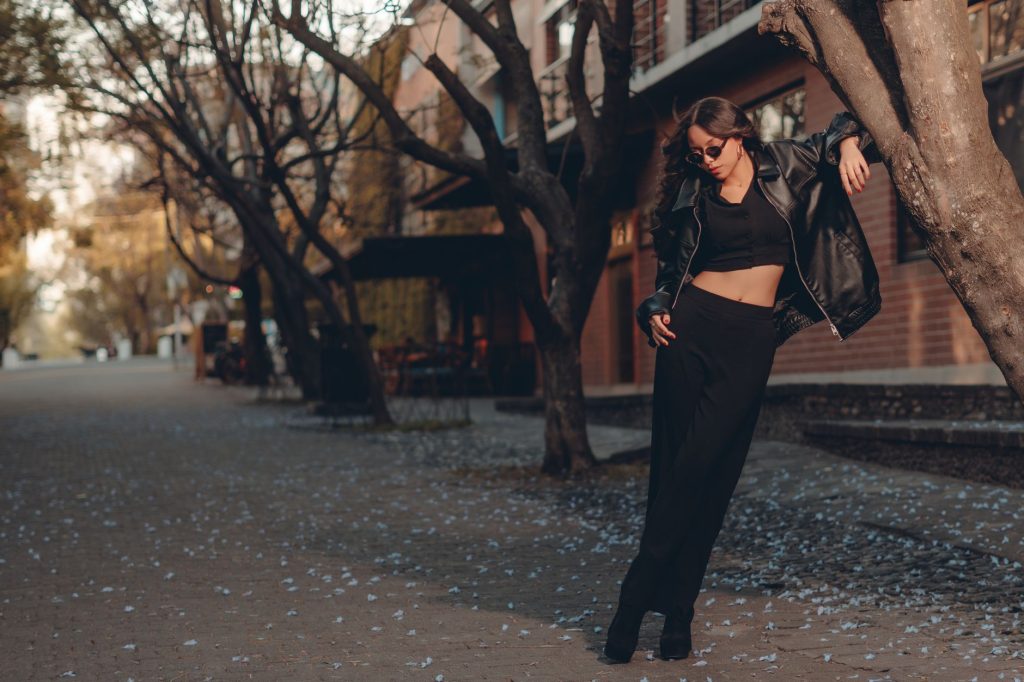
Modeling is a vibrant and dynamic industry that offers a variety of opportunities. Whether you are considering modeling professionally or simply want to explore the art of fashion and self-expression, understanding the different avenues can help you embark on this path. This guide will provide detailed steps, tips, and advice to help you navigate your modeling journey.
Getting into modeling requires not just a passion for fashion but also an understanding of the industry, self-presentation skills, and the ability to adapt to different styles. This comprehensive article will lead you through the steps of how to break into modeling while offering insights that align with your personal style and brand.
How To Get Into Modeling?
Getting into modeling involves understanding industry standards, building your portfolio, and finding representation. You’ll need to explore various modeling categories, practice your skills, and network effectively. Approaching this thoughtfully will set you up for success in your modeling endeavors.
Understand Different Types of Modeling
The modeling industry encompasses various types, each catering to different skills and market demands. Knowing the categories can help you determine where you fit best.
- Fashion Model: Generally works in high fashion, runway shows, and editorial photography.
- Commercial Model: Represents products in advertisements, focusing on lifestyle and relatable imagery.
- Plus-Size Model: Represents plus-size clothing brands and promotes body positivity.
- Fitness Model: Works in the fitness and promotional sectors, showcasing athleticism and healthy living.
- Print Model: Sought for printed materials such as magazines, catalogs, and brochures.
- Parts Model: Specializes in modeling specific body parts like hands, feet, or hair.
Develop Your Personal Style
Establishing a unique personal style can set you apart in a competitive modeling landscape. Start by exploring various fashion aesthetics and determining what resonates most with you.
Explore Fashion Trends
Stay updated on current fashion trends through magazines, runway shows, and social media channels. This knowledge will help you discuss your style clearly and directly with potential clients or representatives. Here are some key trends to look out for:
- Monochrome outfits
- Layering techniques
- Sustainable fashion pieces
- Vintage and retro looks
- Bold accessories and colors
Curate Your Wardrobe
Building a versatile capsule wardrobe allows you to mix and match various pieces while showcasing your unique style. Invest in timeless essentials that reflect who you are, such as:
- Classic denim jeans
- Tailored blazers
- Quality white shirts
- Little black dress
- Stylish footwear catered to your personal appeal
Fit and Proportion
Understanding fit and proportion is essential in modeling. Clothes should complement your shape, no matter your size or body type. Here are a few tips:
- Choose fitted garments that highlight your best features.
- Experiment with different cuts to find what flatters your shape.
- Wear clothing that allows you to move comfortably and confidently.
Building Your Portfolio
Your modeling portfolio acts as your resume in the industry. It’s essential to curate a selection of high-quality photos that showcase your versatility and talent.
Types of Shots to Include
Consider including a variety of shots:
- Headshots: Close-up photos that focus on your facial features.
- Full-Body Shots: Capture your height and figure in different poses.
- Editorial Shots: Creative and styled photos that represent a particular theme.
- Commercial Shots: Friendly and relatable imagery for commercial modeling.
Finding Photographers
Collaborate with professional photographers experienced in fashion. Look for local shoots or workshops where you can connect with photographers while building your portfolio. Always budget for both your time and any costs incurred during the shoot.
Update Your Portfolio Regularly
As you gain experience, update your portfolio consistently. New photos can help showcase your growth and adaptability over time.
Creating a Strong Online Presence
In today’s digital age, establishing an online presence is crucial for aspiring models, especially among younger audiences. Social media platforms like Instagram can be effective marketing tools for showcasing your work.
Instagram Tips
- Share your modeling photos and behind-the-scenes content.
- Engage with followers and other models.
- Utilize hashtags relevant to your niche to increase visibility.
- Collaborate with other influencers or brands to broaden your reach.
Build a Personal Website
Consider creating a personal website to act as a professional portfolio. Include your bio, contact information, and modeling highlights. This can be a great way to show seriousness in your modeling career.
Finding Representation
Many models benefit from having an agent, so understanding how to search for and choose representation is critical. An agent can help you land gigs, negotiate contracts, and connect you with the right opportunities.
Research Modeling Agencies
Start by researching reputable modeling agencies in your area or even internationally. Look for agencies that align with your specific modeling goals and style:
- Check their previous work and the models they represent.
- Read reviews and testimonials from current or past models.
Preparing Submissions
When submitting your photos to agencies, follow their specific guidelines for application submissions. This typically includes:
- Your best photographs
- Your basic information (height, measurements, contact info)
- A brief bio or modeling experience (if any)
Behavior During Open Calls
If attending an open call, present your best self during the audition. Dress simply to highlight your features, and approach the situation with professionalism and confidence.
Networking Effectively
Networking can significantly impact your chances of success in modeling. Building relationships within the industry opens doors for collaborations, gigs, and mentor opportunities.
Attend Industry Events
Participate in fashion shows, openings, or any events related to modeling. These gatherings allow you to meet other models, photographers, and designers.
Connect with Influencers
Engaging with fashion influencers can provide insights into the industry and help expand your reach. Consider joining group discussions on social media or attending workshops together.
Practice and Prepare
Preparation is key to succeeding in modeling. Regular practice will help build your confidence in front of the camera.
Modeling Techniques
Work on the following skills:
- Posing: Study magazines and online resources to learn common poses.
- Walking: Practice your runway walk and transitions smoothly.
- Facial Expressions: Experiment with different expressions for various photography styles.
Receive Feedback
Getting constructive feedback can help you improve over time. Seek advice from peers, agencies, or photographers you work alongside.
Staying Resilient and Positive
The path to modeling can be challenging and competitive, so resilience is necessary for success. Prepare yourself to face setbacks and maintain a positive attitude throughout the journey.
Stay Grounded
Surround yourself with supportive friends and family members who can uplift you during tough periods. Leaning on them helps maintain a healthy mindset.
Be Open to Learning
Accept that modeling is a learning experience. Be open to learning from every opportunity, and continuously seek ways to enhance your skills.
Garment Care and Presentation
Taking care of your clothes is vital as a model; it shows professionalism and attention to detail. Proper care and maintenance of clothing help ensure you present yourself well.
Understand Fabrics
Familiarize yourself with different fabric types and their care requirements. Knowing how to handle delicate materials like silk versus durable fabrics like denim is essential.
Storage Tips
- Hang garments to avoid creasing.
- Use garment bags for delicate items.
- Keep shoes in their boxes to maintain their shape.
Conclusion
Getting into modeling involves understanding the industry, shaping your personal brand, and networking effectively. By developing a unique style, building a portfolio, and seeking appropriate representation, you can navigate the various challenges that come with pursuing a modeling career. Remember, resilience and a positive attitude are key to maintaining your passion for fashion and modeling.
For more detailed guidance on the modeling journey, check out our articles on how to get into modeling and how to become a model. Embrace your creativity, and let your personal style shine!