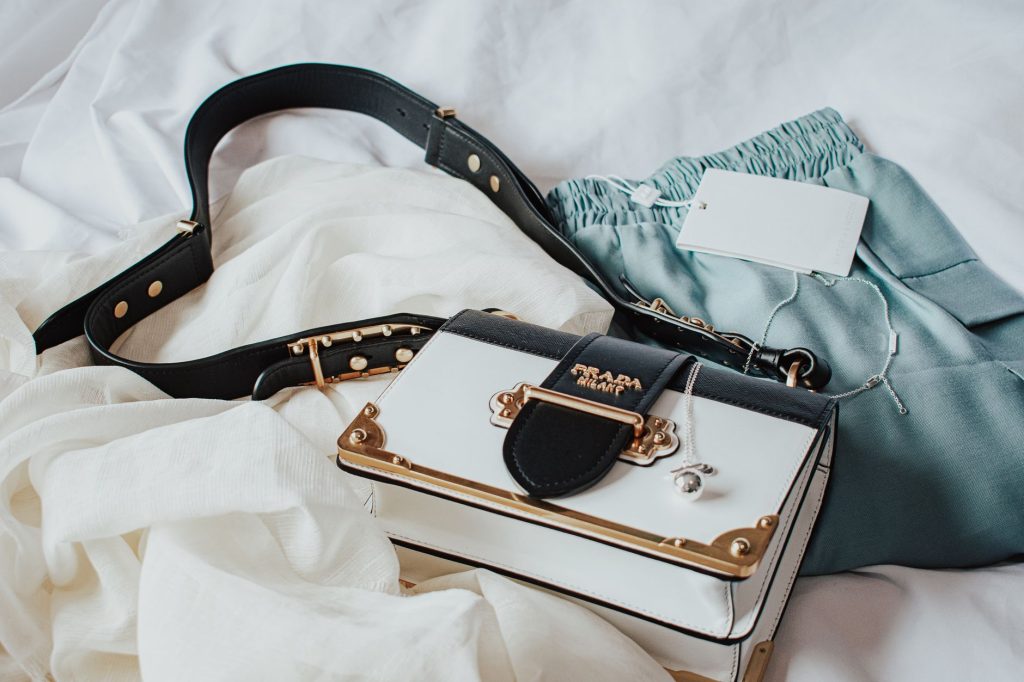
Understanding whether Coach is considered a designer brand involves exploring its history, branding, product offerings, and overall market position. Coach has evolved from its origins as a small workshop in the 1940s to a global fashion powerhouse. With its distinctive craftsmanship and timeless design ethos, many fashion enthusiasts and consumers recognize Coach as a designer label.
In this article, we’ll delve into various aspects of Coach, including its design philosophy, product ranges, and how it fits into the current fashion landscape. Whether you are a longtime fan or new to the brand, this comprehensive look will help you appreciate their unique contributions to fashion.
What Makes a Brand a Designer Brand?
Before we determine if Coach qualifies as a designer brand, it’s essential to define what that term entails. Typically, a designer brand is characterized by:
- Quality Materials: Designer brands often use high-quality materials, ensuring durability and longevity.
- Artful Design: The creativity and innovation behind the designs are critical, including unique silhouettes and signature styles.
- Brand Heritage: A strong brand narrative or history can enhance its designer status.
- Market Position: Designer brands usually occupy the higher end of the market, appealing to consumers willing to invest in premium products.
Considering these criteria, we can evaluate Coach more effectively.
A Brief History of Coach
Originally founded in 1941 in New York City as a family-run workshop, Coach began its journey with a focus on producing leather goods, particularly handbags. The brand gained prominence for its skilled craftsmanship, using techniques that ensured high quality in every piece.
In the 1980s, Coach captured the mainstream market’s attention, successfully transforming into an American fashion icon. With famous advertising campaigns and a focus on accessible luxury, Coach maintained its relevance through the decades.
Coach’s Design Philosophy
At the heart of Coach’s success lies its commitment to quality and craftsmanship. The brand emphasizes the following design elements:
- Timelessness: Coach creates pieces designed to stand the test of time, favoring classic styles over fleeting trends.
- Cultural References: Many collections draw on American heritage and culture, lending authenticity to its designs.
- Personal Expression: With diverse styles and customization options, Coach encourages individuals to express their unique identities.
These principles showcase Coach’s position within the designer space, adhering to high standards while catering to a diverse audience.
Product Range: Is Coach a Fashion House?
In assessing Coach’s designer status, it is crucial to look at its product offerings, which include:
- Handbags: Coach’s handbags are its signature products, known for their quality leather and distinctive designs.
- Ready-to-Wear: The brand has expanded into women’s and men’s apparel, featuring stylish clothing made from quality fabrics.
- Footwear: Coach offers a selection of shoes, from casual to dressy, designed to complement its bags and apparel.
- Accessories: This category includes wallets, belts, watches, and various lifestyle items, all reflecting the brand’s aesthetic.
A diverse product range like Coach’s reinforces its position in the fashion market, mirroring what many established designer brands offer.
Comparing Coach with Other Designer Brands
To further understand Coach’s designer status, we can compare it with other notable luxury brands like Louis Vuitton and Gucci. Key distinctions include:
| Feature | Coach | Louis Vuitton | Gucci |
|---|---|---|---|
| Price Range | Mid to High | High to Premium | High to Premium |
| Brand Heritage | Founded in 1941 | Founded in 1854 | Founded in 1921 |
| Product Focus | Leather Goods, Apparel | Luxury Goods | Fashion Forward |
| Market Positioning | Accessible Luxury | Prestigious Luxury | Fashion Luxuries |
While Louis Vuitton and Gucci are often viewed strictly as luxury designer brands, Coach occupies the accessible luxury market, which does not undermine its quality or design ethos.
Cultural Impact and Brand Recognition
Coach has made significant cultural contributions throughout its history, influencing the fashion landscape in various ways:
- Celebrity Collaborations: Partnering with celebrities and designers has elevated Coach’s brand visibility and appeal.
- Social Media Presence: The brand’s strategic use of social platforms has connected it with a younger audience, reinvigorating its image.
- Community Engagement: Coach engages in charitable initiatives and partnerships that resonate with its consumer base, fostering loyalty.
This strong cultural connection further establishes Coach as a recognized designer brand on a global scale.
Fashion Trends: Coach in Today’s Market
Coach continues to adapt to contemporary fashion trends while maintaining its core identity. Some current trends the brand embraces include:
- Sustainability: Coach is committed to sustainable practices, highlighting eco-friendly materials and transparent sourcing.
- Customization: Personalized items make garments and accessories unique to the consumer, adding a personal touch.
- Inclusivity: Coach promotes diverse representation in its marketing, appealing to a broader audience.
By staying relevant within current market dynamics, Coach strengthens its designer brand status while attracting new consumers.
Styling with Coach
If you’re looking to integrate Coach pieces into your wardrobe effectively, here are some styling tips:
- Casual Chic: Pair a Coach handbag with denim jeans and a fitted turtleneck for a polished yet relaxed look.
- Smart Casual: Use a Coach jacket to transition an outfit from day to night, layering over a simple dress or slacks.
- Accessory Focus: Use Coach accessories like belts or logo embroiled bags to add a statement to an otherwise muted outfit.
By mixing and matching Coach pieces with your existing wardrobe, you can create looks that reflect your personal style while showcasing the elegance of the brand.
Wardrobe Essentials Featuring Coach
Incorporating Coach pieces into a capsule wardrobe can elevate your collection of essentials. Here are key items to consider:
- Classic Tote: A timeless tote bag that is easy to style for work or leisure.
- Leather Jacket: A quality leather jacket for layering in transitional seasons.
- Signature Sneakers: Comfortable yet stylish shoes for casual days.
- Structured Handbag: An elegant option for formal settings.
These coach essentials harmonize well with various wardrobe pieces, lending versatility to your style.
How to Care for Coach Products
Proper care will maximize the lifespan of your Coach items. Here are some essential care tips:
- Store Properly: Keep handbags upright and stuffed with protective material to retain shape.
- Avoid Water Damage: Protect leather products from moisture, using waterproofing sprays if necessary.
- Cleaning Guidelines: Always consult care labels for guidance on cleaning methods specific to each item.
- Condition Leather: Regularly apply leather conditioner to maintain the softness and sheen of your bags.
Following these care strategies ensures your Coach items remain as stunning as when you first purchased them.
Conclusion: Coach’s Designer Identity
Overall, Coach has established itself as a legitimate designer brand through its commitment to quality, unique design philosophy, and cultural relevance. The brand engages with contemporary trends while retaining its signature aesthetics. As such, it occupies a distinctive space in the accessible luxury market, appealing to a diverse audience of style-conscious consumers.
For those looking to explore more fashion guides and insightful articles, check out our resources on the most famous fashion designers and the cost of a Birkin bag.