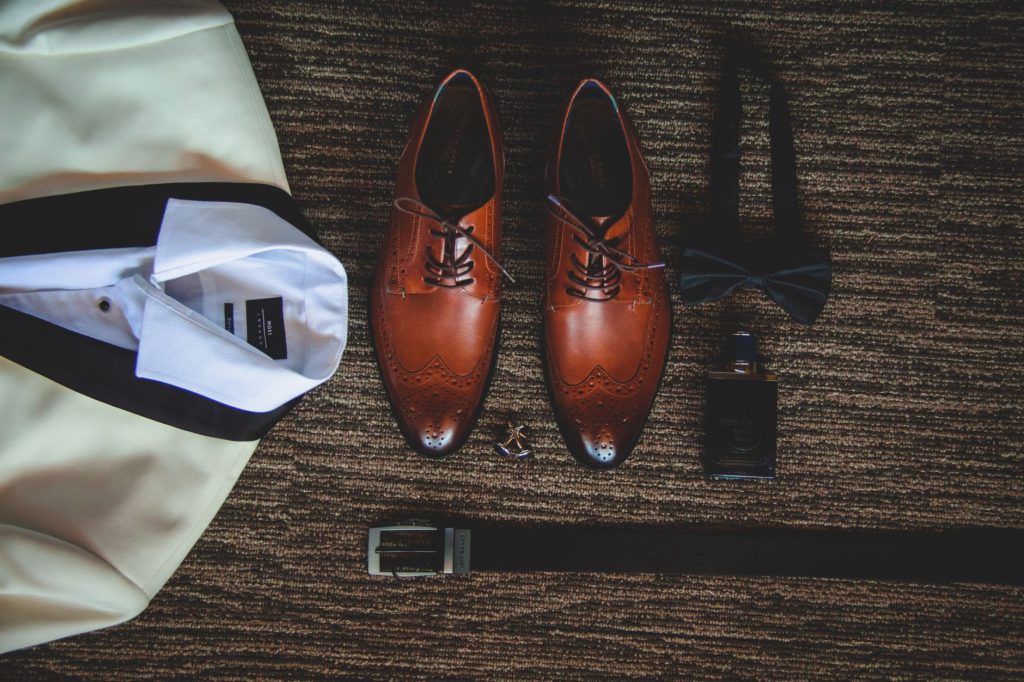
A tuxedo is a formal evening suit typically characterized by its distinct features and styling. Often associated with black-tie events, it includes satin or grosgrain lapels and often paired with a bow tie. Understanding its history, styling options, and essential accessories can help you navigate formal occasions with ease and confidence.
This guide delves into the tuxedo’s definition, its components, how to style it, alternate options, and care tips to ensure you look your best at any formal event.
What Is A Tuxedo?
A tuxedo is a formal suit that primarily consists of a black or midnight blue jacket, matching trousers, and a formal shirt, typically complemented by a bow tie. It is distinct from a standard business suit due to its unique fabrics and details that enhance its elegance, making it suitable for special occasions.
The History of the Tuxedo
The tuxedo’s origins date back to the late 19th century. Initially designed for informal gatherings in England, it was introduced in America by the wealthy elite. The name ‘tuxedo’ is derived from Tuxedo Park, New York, where the first formal tuxedo was worn by U.S. club members.
Over time, the tuxedo has evolved from a casual jacket into a staple of formal wear. Today, it is synonymous with black-tie dress codes and special events, including weddings, galas, proms, and other formal gatherings.
Components of a Tuxedo
A classic tuxedo consists of several key components, each playing a crucial role in creating the perfect formal outfit. Here’s a breakdown:
- Tuxedo Jacket: Typically black or midnight blue, featuring satin or grosgrain lapels
- Trousers: Matching trousers often have a satin stripe running down the side
- Formal Shirt: A white dress shirt with a wing or turndown collar
- Bow Tie: Usually black, this accessory completes the formal look
- Waistcoat or Cummerbund: Optional; waistcoats add a classic touch while cummerbunds offer a modern alternative
- Footwear: Patent leather shoes are the traditional choice for tuxedo wear
- Accessories: Cufflinks, studs, and pocket squares can enhance the overall appearance
When to Wear a Tuxedo
A tuxedo is most appropriate for formal occasions defined by a black-tie dress code. Here are some instances when wearing a tuxedo is expected:
- Weddings (especially formal evening weddings)
- Gala events
- Formal parties or banquets
- Premieres and award ceremonies
- Black-tie casino nights or charity events
Understanding Tuxedo Styles
While the classic black tuxedo remains a staple, there are several styling variations to consider:
Classic Black Tuxedo
This timeless choice features a black jacket and matching trousers with satin details. It’s the go-to option for most formal events.
Midnight Blue Tuxedo
A sophisticated alternative to the black tuxedo, the midnight blue tuxedo offers a slight color variation that appears equally formal and often complements various skin tones.
White Dinner Jacket
Often associated with warm-weather events, the white dinner jacket is typically worn with black trousers. This tuxedo style exudes elegance and is a favorite for summer occasions.
Colored Tuxedos
In recent years, colored tuxedos have gained popularity. Flavors such as burgundy, emerald green, and even pastel shades can provide a fresh take on formal wear. Keep in mind the event’s tone and atmosphere when choosing a color.
How to Style a Tuxedo
Styling a tuxedo requires thoughtful consideration to ensure each element works harmoniously. Here are some styling tips:
- Fit First: Ensure your tuxedo fits well; tailored options create a more polished look than off-the-rack choices.
- Shirt Choice: Opt for a crisp white dress shirt. Avoid patterned shirts to maintain the tuxedo’s elegant appearance.
- Bow Tie Selection: Choose a bow tie that matches your tuxedo’s lapel finish. Silk ties work best for a formal appearance.
- Footwear Matters: Invest in quality patent leather shoes. Avoid loafers or casual shoes, as they can detract from the tuxedo’s sophistication.
- Accessorize Wisely: Subtle accessories like cufflinks and a sleek pocket square can elevate your overall look without overwhelming it.
- Grooming: Pay attention to personal grooming, including hair and nails, as these details contribute to a polished presentation.
Accessorizing Your Tuxedo
Accessories are an essential part of any tuxedo ensemble. Select items that enhance your look rather than detract from it:
- Cufflinks: Opt for classic designs in silver or gold that match your other metal accents.
- Pocket Square: Choose a white silk pocket square for a timeless look or add a subtle touch of color that complements your bow tie.
- Studs: Shirt studs are an elegant alternative to buttons and should coordinate with your cufflinks.
- Watch: A simple dress watch can add sophistication without drawing too much attention.
Tuxedo Fit Considerations
Fit is critical for a tuxedo, as the right cut can enhance your frame while ensuring comfort. Here are key areas to inspect:
- Jacket Fit: The tuxedo jacket should fit comfortably around your shoulders without pulling across the chest.
- Sleeve Length: Aim for sleeves to end at your wrist bone, ensuring a small portion of your shirt cuff is visible.
- Pant Length: Trousers should break slightly at the top of your shoes. Avoid excessive pooling at the ankles.
- Overall Silhouette: Ensure the tuxedo creates a streamlined look that flatters your body shape.
Shopping Tips for a Tuxedo
When shopping for a tuxedo, consider the following tips to make an informed purchase:
- Know Your Size: Be aware of your measurements before trying on tuxedos; tailor-made options can provide the best fit.
- Fabric Quality: Look for high-quality fabrics, as they not only enhance the tuxedo’s appearance but also contribute to comfort.
- Rent or Buy: Consider renting a tuxedo for one-time events or purchasing if it’s for frequent use.
- Research Brands: Familiarize yourself with reputable brands known for tuxedos, as quality can vary significantly.
Care Tips for Your Tuxedo
Caring for your tuxedo is essential to maintain its appearance. Follow these guidelines:
- Follow Care Labels: Always check the care label for cleaning instructions.
- Dry Clean Only: Most tuxedos should only be dry cleaned to preserve fabric integrity.
- Store Properly: Use a garment bag and hang your tuxedo to avoid wrinkles and damage.
- Avoid Frequent Washing: Only clean your tuxedo when necessary; over-washing can lead to fabric wear.
Alternative Options for Different Dress Codes
If you’re unsure whether a tuxedo is necessary, consider the following alternatives for different occasions:
Suit and Tie
For events with a semi-formal dress code, a well-tailored suit with a tie provides an excellent alternative to a tuxedo.
Smart Casual
A blazer paired with dress trousers and a collared shirt can fit smart casual attire, appropriate for less formal gatherings.
Business Formal
In professional settings, a tailored suit with a dress shirt and tie meets business formal standards without requiring a tuxedo.
Current Tuxedo Trends
Fashion continuously evolves, and tuxedo trends often follow suit. Here are some current trends to explore:
- Textured Fabrics: Velvet and brocade tuxedos are trending, offering a luxury feel and visual interest.
- Mixing Styles: Some choose to mix formal elements, such as wearing a tailored jacket with chinos and a dress shirt.
- Bold Colors: Vibrant colors and unique patterns are becoming popular for the more adventurous dresser.
- Eco-Friendly Choices: Sustainable fashion is making its mark, with brands offering tuxedos made from recycled materials and eco-conscious practices.
Conclusion
A tuxedo remains a timeless choice for formal events, with its distinct style and elegance. Understanding its history, components, and styling options allows you to navigate various occasions confidently. With thoughtful consideration to fit, accessories, and care, your tuxedo can be an essential part of your wardrobe for years to come.
To explore more about dress codes like black tie and cocktail attire, check out these related guides: What Is Black Tie Attire for a Woman and What Is Cocktail Attire for a Wedding.