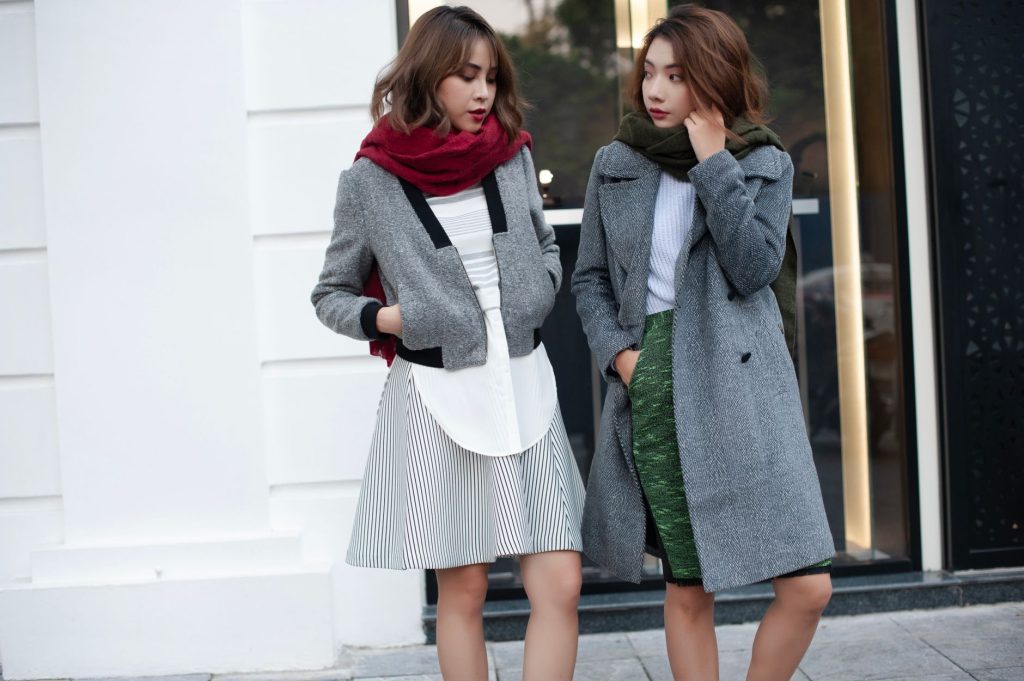
Layering clothes stylishly is an art that can transform your wardrobe and elevate your personal style. With the right techniques, you can create chic, functional outfits that adapt to changing weather conditions and various occasions.
This guide will explore various strategies for layering clothing effectively, including essential items for your wardrobe, styling tips, seasonal outfit ideas, and more.
How to Layer Clothes Stylishly?
To layer clothes stylishly, focus on combining different textures, colors, and lengths while ensuring a balanced silhouette. Consider your outfit’s purpose and select versatile pieces that can be easily mixed and matched for different looks, keeping practicality and comfort in mind.
The Basics of Layering
Layering is not just about throwing on multiple pieces; it’s about thoughtful combinations that enhance your overall look. Here are some core principles to consider:
- Start with a Base Layer: Use a fitted or breathable fabric piece as a foundation.
- Add a Mid Layer: Incorporate warmth or structure, using sweaters, blazers, or cardigans.
- Finish with an Outer Layer: Opt for coats, jackets, or vests that add style and protection from the elements.
- Mix Textures: Combining materials like denim, wool, leather, and knits can add visual interest.
- Play with Lengths: Ensure that your layers vary in length to create a dynamic silhouette.
Wardrobe Essentials for Layering
Building a wardrobe conducive to layering is crucial for successful styling. Here are essential items that will benefit any layering strategy:
Base Layers
- Basic T-shirts or tank tops in neutral colors add a versatile foundation.
- Long-sleeved tops provide additional warmth and can be styled alone when temperatures rise.
- Skinny turtlenecks are perfect for colder months, layering seamlessly under dresses or oversized shirts.
Mid Layers
- Chunky knits or cardigans can be added for texture and warmth without bulk.
- Blazers or tailored jackets lend a polished look, great for work or an evening out.
- Denim or leather jackets can give a casual edge and work for various settings.
Outer Layers
- A classic trench coat offers style and functionality, perfect for transitional seasons.
- Puffer jackets provide warmth, especially in winter, while remaining fashionable.
- Windbreakers or lightweight jackets are ideal for unpredictable weather.
Color Coordination in Layering
Color plays a vital role in how layers are perceived together. Here are some tips for coordinating colors:
- Stick to a Color Palette: Limit your palette to a few complementary colors to ensure harmony.
- Use Neutrals: Incorporate black, white, grey, or beige to balance brighter pieces.
- Add a Pop of Color: Use vibrant accessories or one standout layer to draw the eye.
Seasonal Layering Tips
Different seasons require different layering strategies. Here’s how to stay stylish throughout the year:
Spring
- Opt for light, breathable materials like cotton or linen.
- Pair oversized shirts with fitted jeans or trousers for balance.
- Use lightweight scarves as an accessory to add dimension.
Summer
- Layering can still be achieved with sleeveless tunics over shorts or leggings.
- Consider lightweight kimonos or cardigans to add style without heat.
- Use breathable fabrics to ensure comfort, avoiding thick layers.
Fall
- Transition to warmer fabrics such as wool and flannel.
- Mix textures by layering a plaid shirt under a knit sweater.
- Incorporate boots for style and practicality in changing weather.
Winter
- Focus on warmth by layering with thermal tops and chunky knits.
- Utilize long coats over multiple layers to keep warm and stylish.
- Accessorize with heavy scarves and beanies for added flair and warmth.
Outfit Formulas for Layering
Simple outfit formulas can take the guesswork out of layering while allowing for personalization:
Casual Look
- Base: Basic tee
- Mid: Oversized denim jacket
- Outer: Lightweight trench coat
- Bottom: Slim-fit jeans
- Shoes: Ankle boots
Business Casual Look
- Base: Fitted blouse
- Mid: Tailored blazer
- Outer: Long cardigan
- Bottom: Chinos or tailored trousers
- Shoes: Loafers or block heels
Weekend Style
- Base: Graphic tee
- Mid: Lightweight cardigan
- Outer: Oversized puffer jacket
- Bottom: Joggers or distressed jeans
- Shoes: Sneakers
Common Mistakes to Avoid When Layering
Even seasoned stylists can make layering mistakes. Here’s how to avoid the pitfalls:
- Don’t over-layer; three to four layers usually provide balance without bulk.
- Avoid clashing patterns unless done intentionally, as this can overwhelm the look.
- Ensure that your layers fit well; oversized pieces can lead to a frumpy appearance.
Accessorizing Your Layers
Accessories can enhance layered outfits significantly. Here are some accessory ideas:
- Scarves: Use various materials and colors to add interest and warmth.
- Hats: Beanies or fedoras can contribute both style and practicality.
- Jewelry: Stackable rings or layered necklaces can complement the outfit nicely.
- Bags: Choose bags that add to your outfit without overwhelming it.
Footwear Considerations for Layering
The right shoes can complete your layered look. Here’s what to consider:
- Boots: Knee-high, ankle, or combat boots can add an edge to your ensemble.
- Sneakers: Opt for stylish trainers that provide comfort and style.
- Flats: Chic loafers or ballet flats can soften structured outfits.
Fabric Care Tips for Layered Outfits
Taking care of your layered garments ensures longevity. Here are key considerations:
- Always check care labels for specific washing and drying instructions.
- Avoid over-washing; air out clothes and spot clean when possible.
- Follow guidelines for ironing and steaming to maintain fabric integrity.
By mastering the art of layering, you can create stylish outfits for any occasion, ensuring you remain comfortable and chic. Focus on building a versatile wardrobe, playing with colors and textures, and accessorizing thoughtfully to elevate your layering game.
Explore more related fashion guides and styling articles on our site, such as how to layer clothes stylishly and how to wear a scarf.