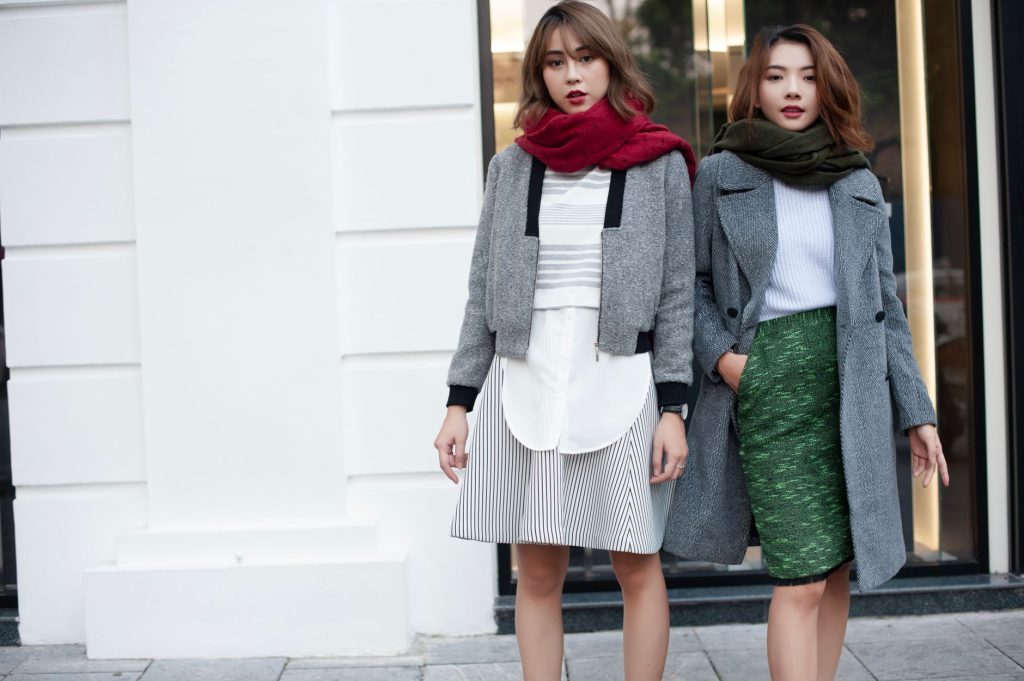
Scarves are a versatile accessory that can enhance any outfit, providing warmth and flair. From lightweight silk pieces to cozy knitted options, the way you wear a scarf can greatly influence your overall look. In this guide, we’ll explore various styling tips, seasonal considerations, and outfit combinations to help you incorporate scarves into your wardrobe.
Understanding how to wear a scarf not only expands your styling options but also allows you to express your personal style. Let’s delve into the best ways to wear a scarf, covering everything from fabric choices to specific tying techniques.
How To Wear A Scarf?
To wear a scarf effectively, consider your outfit, the occasion, and the season. Different tying styles and materials work well for various contexts, allowing you to showcase your style while ensuring functionality. Below, we will explore popular styles, color coordination, and practical advice for incorporating scarves into your looks.
Choosing the Right Fabric and Style
The first step in mastering the art of wearing a scarf is selecting the right fabric and style for your needs. Scarves come in a variety of materials, including:
- Cotton: Great for casual wear and summer months; breathable and easy to wash.
- Silk: Sophisticated and classic; perfect for formal occasions and adding elegance to your outfit.
- Wool: Ideal for winter; provides warmth and texture, often in chunky knits or fine weaves.
- Pashmina: Soft and luxurious; versatile for both formal and casual settings.
- Synthetic materials: Often lightweight and water-resistant, suitable for transitional seasons.
Seasonal Considerations
Different seasons call for specific scarf styles:
- Spring: Lightweight, colorful scarves can add brightness without overheating.
- Summer: Think silk or cotton; a vibrant print can elevate a basic outfit on cooler summer evenings.
- Autumn: Opt for thicker, patterned scarves in warmer fabrics like wool to layer over jackets.
- Winter: Choose oversized or chunky knits for extra warmth, ideally in neutral tones or bold colors.
Popular Scarf Knots and Styles
Once you’ve selected a scarf, the next step is mastering some key tying methods. Here are several popular knots and styles:
The Classic Loop
This simple method works well with most scarf lengths and styles. Here’s how to achieve it:
- Fold the scarf in half.
- Place the scarf around your neck, ensuring one side is longer than the other.
- Pull the longer side through the loop created by the fold.
The Infinity Loop
The infinity loop is ideal for softer, lightweight scarves. Follow these steps:
- Wrap the scarf around your neck once.
- Bring the ends together and twist them, forming a loop.
- Wrap it around your neck a second time for extra warmth and style.
The French Knot
This style adds a touch of sophistication, suitable for both casual and formal attire:
- Fold the scarf in half and place it around your neck.
- Take the loose ends and pull them through the loop formed by the fold.
- Adjust to your desired fit.
The Shawl Style
This method works beautifully with larger, rectangular scarves:
- Spread the scarf across your shoulders like a shawl.
- Allow the ends to drape over your arms.
- For added security, use a brooch or pin to fasten the front.
Outfit Ideas with Scarves
Scarves can be paired with various outfits for countless styling opportunities. Here are some outfit ideas to inspire your scarf styling:
Casual Looks
- Oversized Sweater & Jeans: Pair a chunky knit scarf with an oversized sweater and your favorite jeans for a cozy look.
- Shirt Dress: Add a lightweight scarf tied in a knot at your waist to accentuate your silhouette.
- T-shirt & Shorts: Throw on a vibrant silk scarf around your neck for a pop of color.
Work Attire
- Blazer & Trousers: Use a silk scarf as an accent piece, either tied around your neck or draped over your shoulders.
- Pencil Skirt & Blouse: A pashmina adds a touch of elegance to a classic outfit.
- Shift Dress: A printed scarf can serve as a statement accessory, brightening up a monochromatic dress.
Evening Wear
- Maxi Dress: A long, flowing scarf can complement the elegance of a maxi dress.
- Little Black Dress: Consider a sparkling scarf as a shawl, layering over your shoulders for a chic touch.
- Sleek Jumpsuit: Add a bold-colored scarf tied at the waist for eye-catching detail.
Color Coordination and Patterns
When accessorizing with scarves, color coordination is essential. Here are some tips to ensure harmony in your outfit:
Matching Color Palettes
- Choose scarves that feature one or more colors present in your outfit for a cohesive look.
- For a more subdued approach, opt for neutral colors that can blend seamlessly with various outfits.
- Experiment with complementary colors to create visual interest; for example, pairing blue with orange or yellow with purple.
Incorporating Patterns
- Mix patterns by following the 70-30 rule: allow one pattern to dominate while using the other as an accent.
- A floral scarf can beautifully contrast with a striped top, creating an eye-catching combination.
- To keep the outfit balanced, choose patterns within a similar color family.
Accessories to Pair with Scarves
Considering the right accessories can enhance the overall look when wearing a scarf. Here are a few key accessories:
- Hats: A beret or wide-brimmed hat can add an extra layer of style, making your scarf a central focus.
- Jewelry: Choose minimalistic jewelry so as not to overpower the scarf; stud earrings or simple bracelets can work well.
- Belts: A belt can define your waist while emphasizing the scarf’s color or texture.
- Bags: Elevate your outfit by coordinating your bag with a color or pattern from your scarf.
Fit and Proportion Guidance
Understanding fit and proportion is key to wearing scarves stylishly:
- For shorter necklines, opt for smaller scarves or lighter fabrics to avoid overwhelming your silhouette.
- Longer scarves can add length to your frame, working particularly well with longer coats or dresses.
- Oversized scarves are better suited for casual outfits, providing a relaxed vibe.
- When layering, consider the thickness of the fabrics to maintain a balanced silhouette.
Common Mistakes to Avoid
While scarves are versatile, there are some common pitfalls to avoid:
- Wearing a scarf that is too large for your frame can overwhelm your look.
- Overcomplicating the tying method; simpler styles can have a more sophisticated appearance.
- Choosing the wrong fabric for the season can lead to discomfort; remember to consider climatic conditions.
- Neglecting to consider the overall aesthetic; ensure the scarf aligns with your outfit’s vibe.
Garment Care for Scarves
To maintain the quality and extend the life of your scarves, proper care is crucial:
Washing and Storage Tips
- Always check the care label and follow specific washing instructions.
- Hand wash delicate fabrics like silk in cold water with a mild detergent.
- For wool and cashmere scarves, consider dry cleaning to preserve the fibers.
- Store scarves neatly folded or rolled to avoid creasing. A dedicated scarf hanger can help keep them organized.
- Avoid hanging heavy scarves, which can lead to distortion or stretching.
Sustainable Fashion and Scarf Choices
As many are making mindful fashion choices, consider opting for sustainably made scarves.
- Look for brands that prioritize eco-friendly materials and ethical production methods.
- Shop vintage or second-hand for unique scarves that tell their own story.
- Invest in higher-quality pieces that can last longer and remain stylish through seasons.
Final Thoughts on Scarves
Scarves are not only functional but also fun to style. By understanding various tying techniques, incorporating the right colors, and choosing suitable accessories, you can elevate any outfit. Whether you’re dressing up for work, heading to a casual gathering, or enjoying a night out, a scarf can serve as a stylish finishing touch.
Explore more fashion ideas to refine your style. Check out what to wear today or find out what to wear over formal dress when it’s cold. Embrace the versatility of scarves, and let them be a key player in your wardrobe.