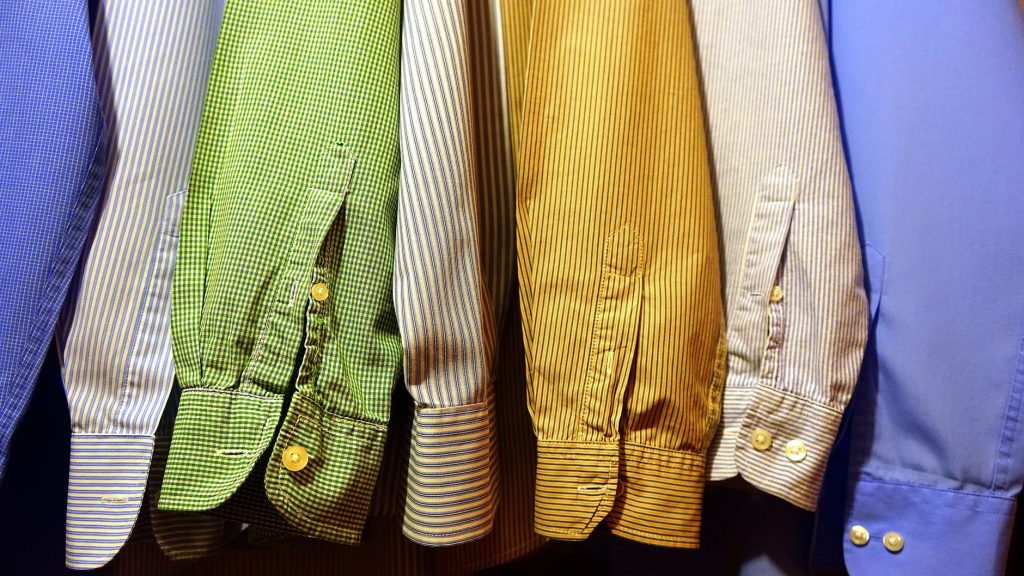
Business casual is a popular dress code in modern workplaces, blending professionalism with comfort and style. This guide explores the nuances of business casual attire, providing tips on creating outfits that fit the bill for various settings, seasons, and personal styles.
Whether you’re looking to update your wardrobe or preparing for an upcoming meeting, understanding the essentials of business casual attire will help you make polished fashion choices that align with your workplace culture.
What Is Business Casual?
Business casual dress combines the professionalism of traditional business attire with a more relaxed and comfortable aesthetic. This dress code allows employees to showcase their personalities while maintaining a polished and respectable appearance in a work environment.
While the specifics can vary by industry, company culture, and geographical location, business casual generally includes tailored clothing, quality fabrics, and well-fitted garments.
Defining the Look
Business casual outfits typically involve a mix of both formal and informal pieces, creating a versatile and cohesive look. Here are some components commonly found in business casual attire:
- Trousers: Chinos, dress pants, and tailored trousers.
- Shirts: Button-up shirts, blouses, and polo shirts, ideally in solid colors or subtle patterns.
- Dresses: Day dresses or fitted dresses, preferably knee-length or longer without excessive embellishments.
- Outerwear: Blazers, cardigans, or structured jackets that add polish and sophistication.
- Footwear: Loafers, brogues, ankle boots, or flats that are comfortable yet professional.
- Accessories: Minimalist jewelry, leather belts, and functional bags that complement your overall outfit.
Outfit Ideas for Business Casual
To make dressing for business casual occasions easier, consider these outfit combinations as starting points:
For Women
- Look 1: A tailored blazer, fitted blouse, and straight-leg trousers paired with loafers.
- Look 2: A knee-length sheath dress layered with a cardigan and ankle boots.
- Look 3: A smart midi skirt with a tucked-in button-up shirt and flats.
For Men
- Look 1: A crisp white dress shirt with chinos and loafers, topped with a blazer for added polish.
- Look 2: A polo shirt paired with tailored shorts and sneakers for a casual summer look.
- Look 3: A lightweight sweater over a button-up shirt with dark jeans and leather shoes.
Understanding Variations in Business Casual
It’s essential to recognize that business casual means different things depending on various factors. Here are a few variations to consider:
Industry-Specific Variations
Different industries have distinct interpretations of business casual. For example, tech companies may embrace more casual styles, while legal or financial institutions might have a stricter interpretation. Gauge the workplace culture and adapt your wardrobe accordingly.
Seasonal Adjustments
Your choice of clothing should also adapt to the seasons:
- Spring/Summer: Opt for lighter fabrics, such as cotton or linen. Dresses, breathable blouses, and short-sleeved shirts work great.
- Fall/Winter: Layer with sweaters, blazers, and opt for tailored trousers in heavier fabrics like wool.
Comfort Needs
Some workplaces encourage movement and activity, meaning comfort is key. Look for breathable fabrics, stretch materials, and styles that allow for ease of movement. Ensure outfits are both stylish and practical for your daily activities.
Essential Pieces for a Business Casual Wardrobe
A well-curated business casual wardrobe should consist of versatile pieces that can be mixed and matched. Here, we outline some essentials that every wardrobe should have:
- Tailored Blazer: Adds structure and sophistication to various outfits.
- Classic Trousers: A great base that can be dressed up or down easily.
- Button-Up Shirts: A versatile staple that works well in both formal and casual settings.
- Pencil or A-Line Skirts: Flattering and professional, easily paired with blouses or knit tops.
- Quality Shoes: Comfortable, stylish shoes enhance any outfit, ensuring you can transition smoothly throughout your day.
Style Guide: Color Coordination and Fabric Choices
Color and fabric choices play significant roles in pulling together a business casual ensemble. Here’s how to approach them:
Color Coordination
- Neutral Shades: Colors like black, white, gray, and beige are classic and easy to mix and match.
- Pops of Color: Incorporating colors like navy, burgundy, or sage green can bring life to your outfit while remaining professional.
- Patterns and Textures: Subtle patterns, stripes, or textures can add depth to your look but keep them minimal to maintain professionalism.
Fabric Choices
Opt for high-quality fabrics that provide comfort and structure. Choose breathable materials for warm weather and heavier ones for cooler temperatures. Key fabric recommendations include:
- Cotton: Soft and breathable, ideal for shirts and blouses.
- Wool: Perfect for trousers and blazers during fall and winter.
- Silk and Synthetics: Excellent for blouses and dresses due to their elegant drape and comfort.
Fit and Proportion in Business Casual Wear
Understanding fit and proportion is vital for achieving a polished business casual look. Here are key points to remember:
- Tailored Fit: Ensure that clothing fits well without being too tight or loose. Proper tailoring can make a significant difference.
- Proportional Balance: Balance fitted items with looser pieces to create an alluring silhouette.
- Length Matters: Be mindful of the lengths of tops, skirts, and dresses. In general, blouses should not be too long, and skirts should fall around the knee.
Common Mistakes to Avoid in Business Casual Attire
To effectively embody the business casual dress code, be aware of these common pitfalls:
- Overly Casual Choices: Avoid items like flip-flops, distressed jeans, or t-shirts, as these can hinder the polished look you want to convey.
- Inappropriate Lengths: Ensure skirts and shorts are appropriate for the workplace; modest lengths typically align best with business casual.
- Excessive Accessories: While accessories are great for personal expression, keep them understated to maintain a professional appearance.
Sustainable Fashion in Business Casual
With increasing awareness of sustainability, consider eco-friendly options for your business casual wardrobe. Here are suggestions for making sustainable choices:
- Choose Quality Over Quantity: Invest in high-quality, well-made pieces that are designed to last rather than fast fashion.
- Support Sustainable Brands: Research brands that prioritize ethical manufacturing and eco-friendly materials.
- Opt for Second-Hand: Thrift stores and online resale platforms provide an opportunity to find unique pieces at a lower environmental cost.
Accessorizing Your Business Casual Look
Accessories can enhance any business casual outfit. Here are some recommendations:
- Jewelry: Opt for minimalistic jewelry, such as stud earrings or a delicate necklace, to add a touch of elegance.
- Belts: A well-chosen belt can accentuate your waist and provide visual interest.
- Bags: A structured tote or satchel can offer functionality while remaining professional.
Footwear Choices That Complement Business Casual Attire
The right shoes can elevate a business casual outfit significantly. Consider these options:
- Loafers: Stylish and comfortable; they work wonderfully with both trousers and skirts.
- Brogues: A classic choice that adds sophistication to your look.
- Flats or Low Heels: Provide comfort while maintaining a sleek, professional appearance.
Garment Care Tips for Business Casual Wear
Caring for your clothing is vital to maintaining a polished appearance. Here are some basic guidelines:
- Read Care Labels: Always follow the manufacturer’s washing and drying recommendations for each piece.
- Store Properly: Use hangers to avoid wrinkling and keep items in a clean environment to prevent damage.
- Regular Maintenance: Mend any loose threads or damaged areas promptly to maintain the integrity of the clothing.
Business casual is an adaptable and appealing dress code that allows individuals to express their style while remaining professional. By understanding the essential components and keeping the practical tips in mind, you can easily curate a wardrobe that works for you. Remeber to consider your workplace culture, personal style, and comfort needs when choosing outfits.
Take a moment to reflect on your current wardrobe and identify which pieces align with the business casual dress code. Incorporating a few new items can refresh your look without overwhelming your closet. For more insights, check out our related articles on what not to wear to an interview and what to wear to an interview.